



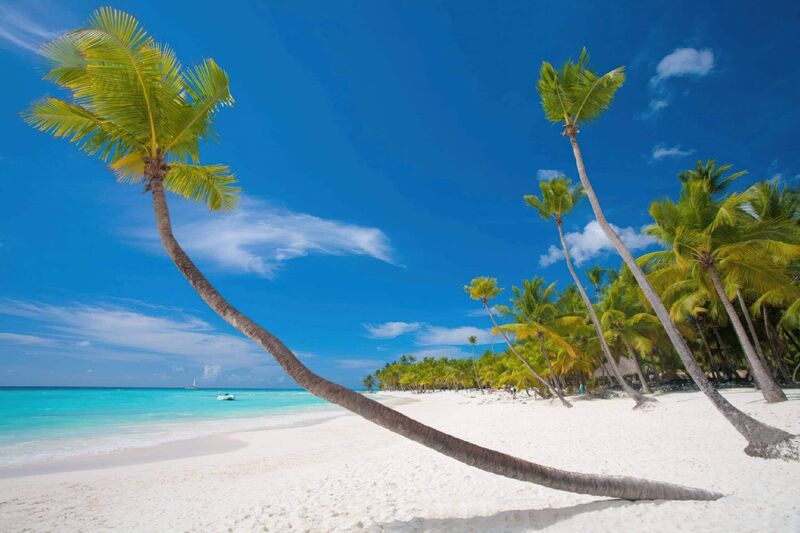

Zanzibar holidays at a glance
A holiday to Zanzibar centres on white-sand beaches, warm Indian Ocean water, and the historic alleys of Stone Town, with June to October the driest and most popular window. Budget travellers spend around $50 to $100 a day and mid-range trips average about $210, plus the mandatory $44 travel insurance now required for entry. Zanzibar is a semi-autonomous archipelago off the coast of Tanzania, long known as the Spice Islands and home to a UNESCO-listed old town, coral reefs, and spice farms.
The questions below answer what travellers ask most before booking: the best time to go, what a trip costs, which beach to pick, the top things to do, the visa and insurance rules, how the tides work, and how long to stay. Figures reflect 2026 pricing and entry requirements, qualified where they shift by season.
Where is Zanzibar and what is a holiday there like?
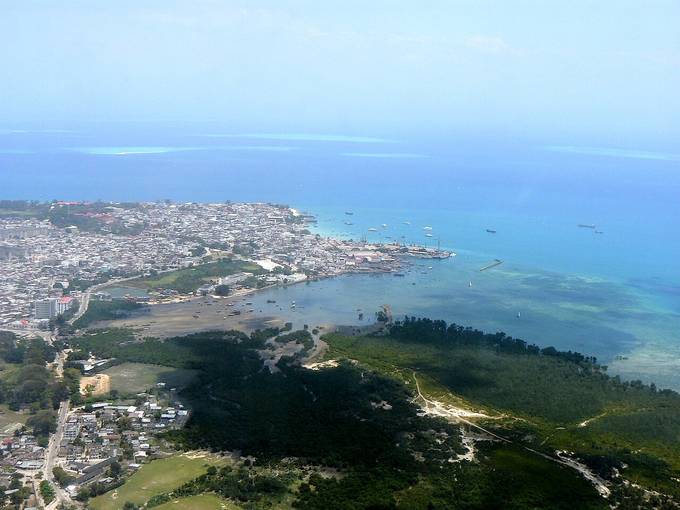
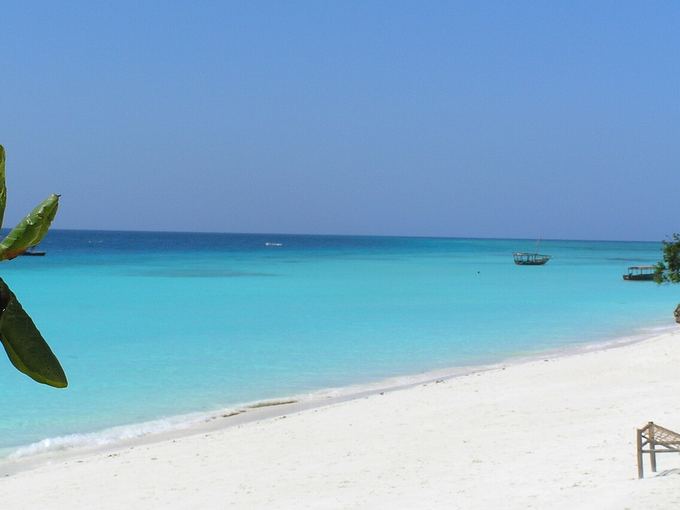
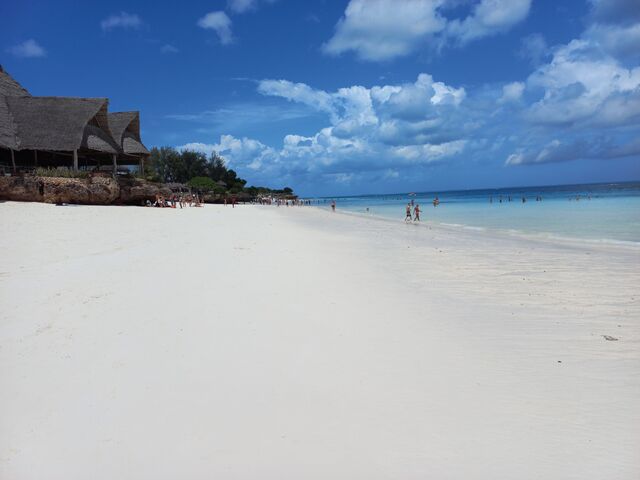
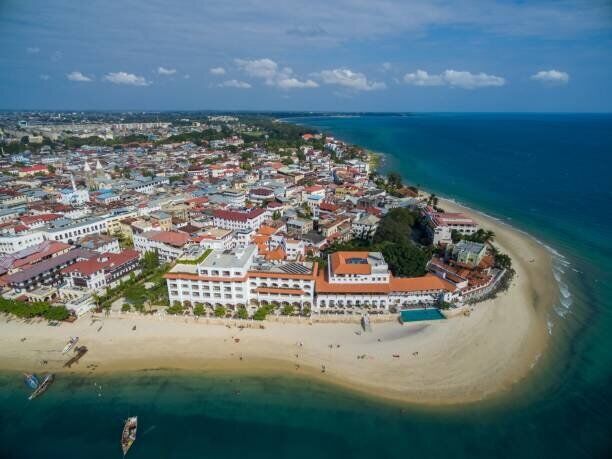
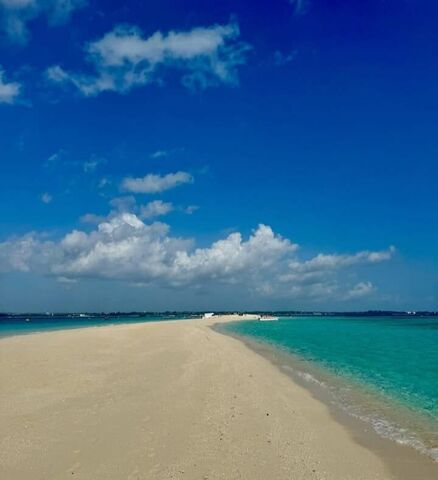
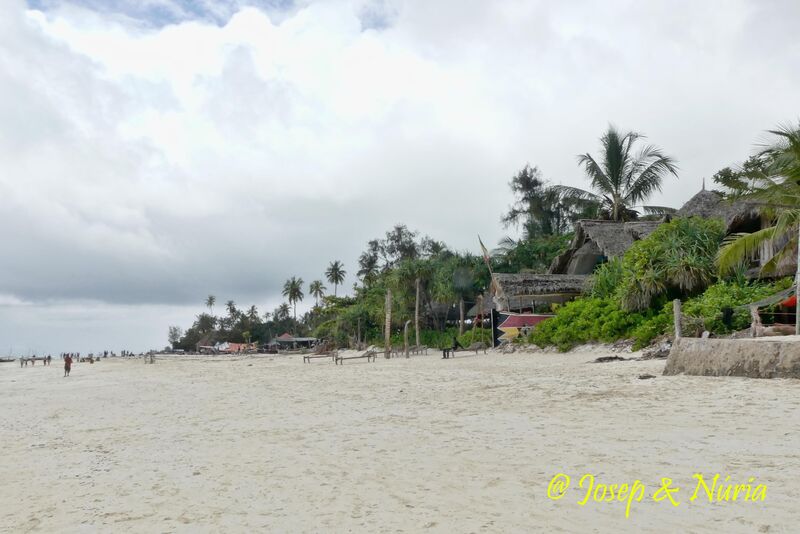
Zanzibar is an archipelago in the Indian Ocean off mainland Tanzania, made up of the main island of Unguja, which most people mean by the name, along with Pemba and smaller isles. A holiday to Zanzibar usually splits between the coast and the culture: long stretches of powder-white beach on the north and east, and the coral-stone maze of Stone Town on the west. It is a warm, friendly, predominantly Muslim destination where the pace is slow and the sea is the main event.
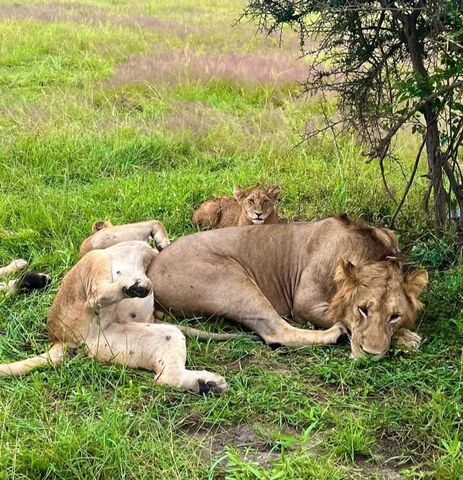
Most trips build around a beach base with a day or two in Stone Town and a handful of excursions. Because it is part of Tanzania, Zanzibar is the easiest and most common way to round off a mainland safari, with short flights from Arusha and Nairobi. After a week of early game drives, several days on the coast are a natural counterweight, which is why the safari-and-beach pairing is so popular.
When is the best time for a Zanzibar holiday?
The best time for a Zanzibar holiday is the long dry season from June to October, when the weather is warm and settled and the sea is at its most inviting. A second good window runs from December to February, which is hotter but still largely dry and covers the festive travel period. The months to approach with care are the long rains from March to May, when heavy afternoon downpours, high humidity, and some seasonal closures can disrupt a beach trip.
November sees brief short-rain showers but stays pleasant with fewer visitors and lower rates, making it a quiet value month. If your dates are fixed by a mainland safari, the good news is that the northern beaches swim well year-round, so the season shapes price and comfort more than whether the trip works at all.
How much does a Zanzibar holiday cost in 2026?
A Zanzibar holiday works at almost any budget in 2026. Backpackers can keep a day under about $60 using guesthouses, street food, and local transport, while a mid-range trip averages closer to $210 a day and luxury resorts run well beyond that. The island is unusually affordable for a tropical destination of its quality, which is part of its appeal.
Around $50 to $100 per day. Guesthouses at roughly $20 to $50 a night, mostly in Stone Town and Paje, with street food and shared excursions.
Around $210 per day on average. Hotels at about $50 to $180 a night in Nungwi, Paje, and Matemwe, usually with pool, breakfast, and wifi.
$200 to $1,000 or more per person per night, concentrated in Kendwa, Kiwengwa, and Matemwe. Ocean-facing villas and full-service resorts.
The mandatory $44 travel insurance, a $50 visa for most nationalities, and excursions such as a sunset dhow cruise at about $35 to $50 per person shared.
Beyond lodging, budget for the mandatory insurance and visa, a few excursions, and transfers. Local minibuses, known as dala-dalas, are the cheapest way to move at under a dollar for longer routes, though they leave only when full and are not built for large luggage. Most beach visitors use hotel transfers or private taxis instead.
Which Zanzibar beach should you choose?
Choosing a beach is the biggest decision on a Zanzibar holiday, because the coasts differ sharply in tides, atmosphere, and activities. The northern tip swims at any tide and leans lively, while the southeast is shallower, quieter, and shaped around kitesurfing. Where you base yourself sets the tone of the whole trip.
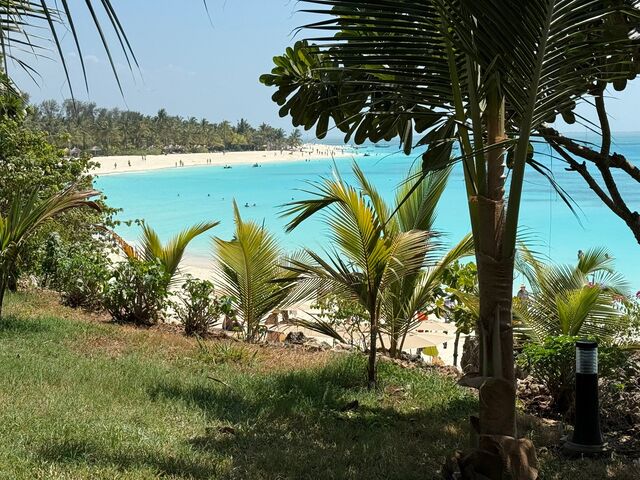
The most popular beaches, with deep water offshore that lets you swim at any tide, plus sunsets, dive operators, and nightlife. Kendwa is the calmer of the two, Nungwi the busier.
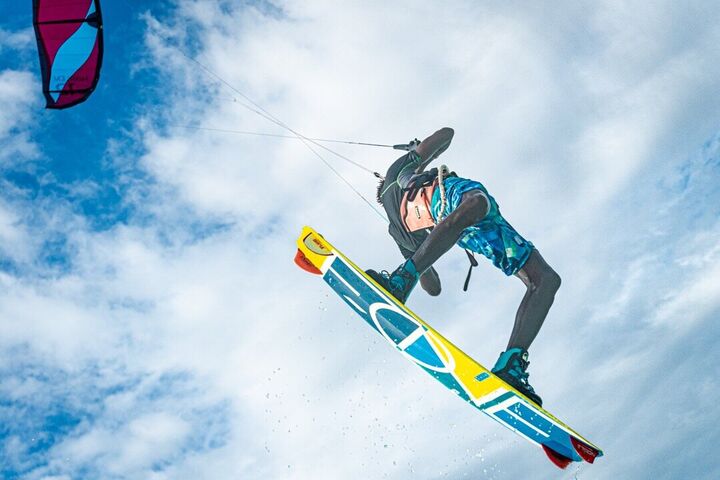
The kitesurfing capital, a long shallow lagoon with steady wind and a young, social scene. Strong tidal swings mean swimming is best around high tide.
A quieter fishing village with seaweed farming and traditional life on show. Excellent value and calm, with the same tidal pattern as neighbouring Paje.
The best base for diving and snorkelling at Mnemba Atoll, relaxed and low-key, with easy access to the reef just offshore.
For a first trip that prioritises easy swimming and sunsets, Nungwi or Kendwa is the safe pick. Kitesurfers and travellers after a quieter, more local feel gravitate south to Paje and Jambiani, while divers choose Matemwe for the reef. Many visitors split their stay across two beaches to sample the contrast.
What are the best things to do in Zanzibar?
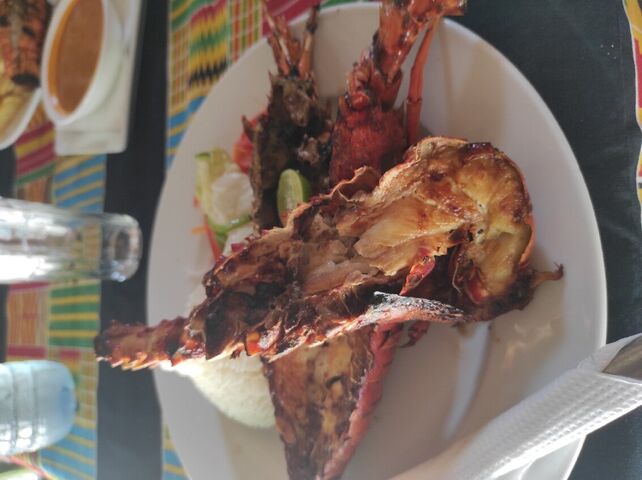
Beyond the beach, a Zanzibar holiday is full of half-day excursions that mix culture, spice, and marine life. The historic core is Stone Town, a UNESCO World Heritage Site whose narrow coral-stone lanes hold hundreds of carved wooden doors, the Old Fort, and the Forodhani Gardens night market, where stalls serve the local street food known as Zanzibar pizza.
Wander the maze of alleys, carved doors, and markets, take in the former slave market site, and end at the Forodhani night food market by the water.
The reason Zanzibar earned the name Spice Islands. Walk a working plantation to see, smell, and taste cloves, nutmeg, vanilla, cinnamon, and more.
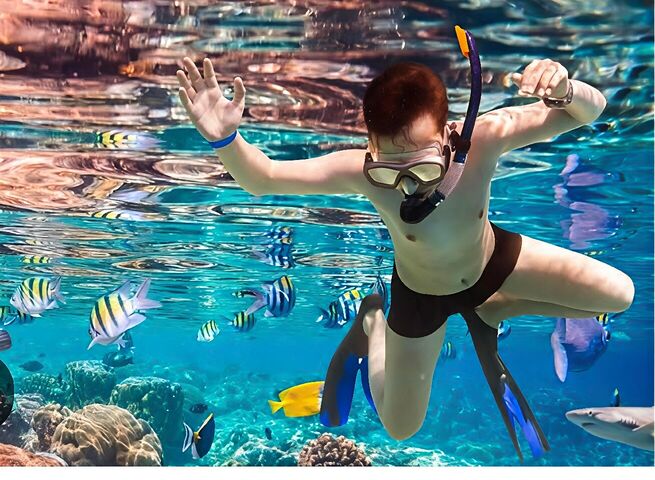
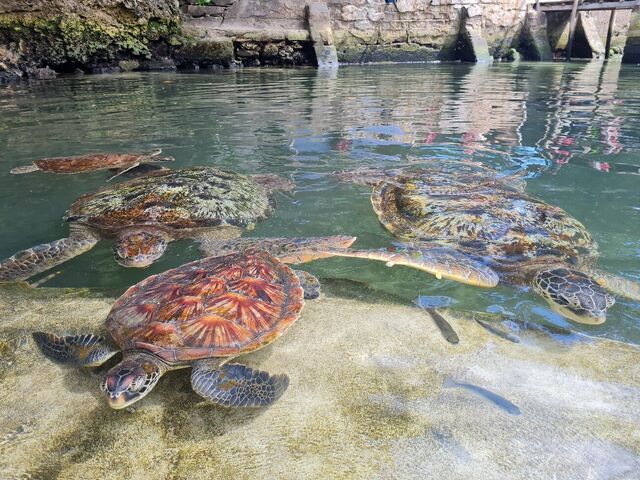
The atoll off the northeast coast is the island's marine highlight, with coral reefs, turtles, and dolphins. Reached by boat from Matemwe and Nungwi.
Track the endemic red colobus monkey in Jozani Forest, or take a short boat to Prison Island to see its giant Aldabra tortoises.
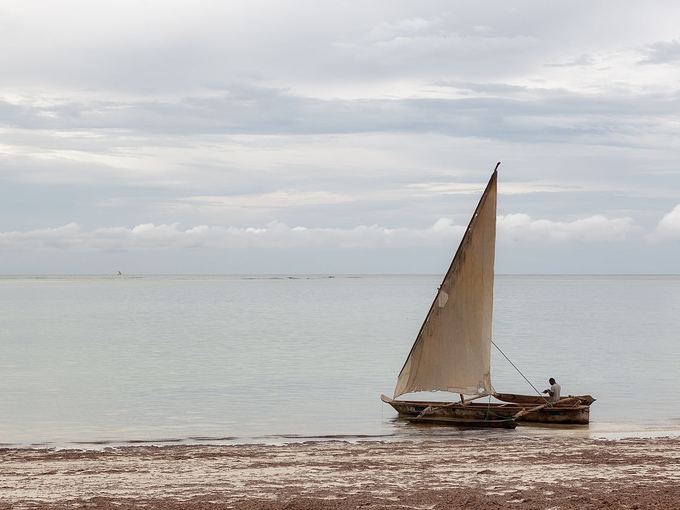
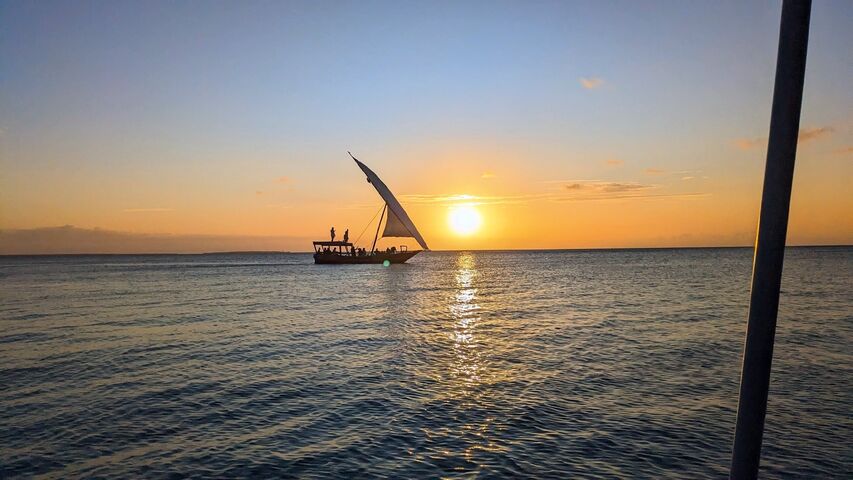
A sunset dhow cruise on a traditional sailing boat is one of the most popular ways to close a day, drifting along the coast as the light fades, usually with snacks and music. Shared cruises run about $35 to $50 per person and private charters for a couple around $150 to $250. Dolphin tours off the south coast and the Safari Blue day trip round out the classic excursion list.
Do you need a visa and insurance for Zanzibar?
Zanzibar is part of Tanzania, so a single Tanzania visa covers both the mainland and the islands. Most travellers need one, costing $50 for a single entry, or $100 for the multiple-entry visa that United States citizens must buy. You can apply in advance through the official Tanzania immigration portal, which is recommended, or get a visa on arrival at the Zanzibar airport, though queues in peak season can run long.
The important 2026 change is a mandatory inbound travel insurance requirement. Since October 2024, every foreign visitor must buy a policy from the Zanzibar Insurance Corporation, priced at $44 for adults and $22 for children, valid up to about three months. It covers emergency medical care and evacuation within the archipelago, is checked on arrival, and does not replace your own travel insurance, which is still worth holding. Buy it online in advance and carry the QR code to speed up entry.
What about tides and swimming in Zanzibar?
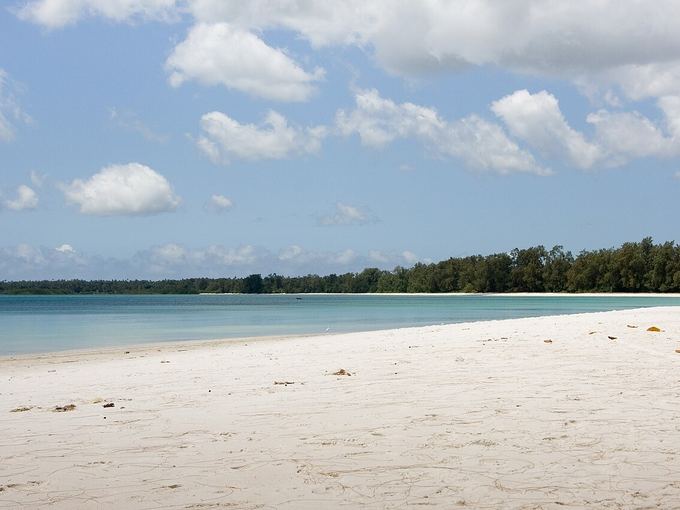
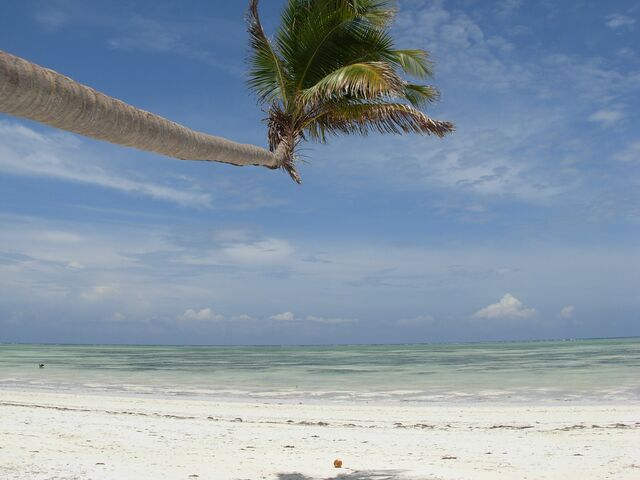
Tides are the most-discussed practical detail of a Zanzibar holiday, and they matter most on the east coast. There the sea is very shallow, so at low tide the water can draw back by hundreds of metres, leaving exposed reef and seaweed beds rather than swimmable ocean. On these beaches you can generally swim for roughly two to three hours either side of high tide, with the timing shifting by around 30 to 40 minutes each day.
This is not a problem so much as something to plan around, and low tide has its own reward in reef walks that reveal starfish, crabs, and the seaweed farms tended by local women. If uninterrupted swimming matters most to you, base yourself on the northern beaches of Nungwi and Kendwa, where deep water sits close to shore and the tide barely affects a dip. East-coast visitors simply check a tide table and time their swims.
How many days do you need in Zanzibar?
Around five to seven days is the sweet spot for a Zanzibar holiday, enough to settle into a beach, spend a day in Stone Town, and fit in two or three excursions without rushing. As a standalone escape a week feels comfortable, while three to four nights works well as a beach add-on after a mainland safari, giving time to unwind without a long commitment.
A typical week might open with a night in Stone Town for the culture and food, then move to a northern beach for swimming and sunsets, with day trips to a spice farm, Jozani Forest, and Mnemba for snorkelling folded in. Travellers who want to sample two very different coasts sometimes split the week between a northern beach and the quieter southeast. There is little pressure to pack the days, since the point of the island is to slow down.
How do you get to Zanzibar?
Most visitors fly into Abeid Amani Karume International Airport near Stone Town, which handles international and regional flights. Direct international services connect Zanzibar with several European and Middle Eastern hubs, and short domestic flights link it to Dar es Salaam, Arusha, and the Serengeti, which is why it slots so neatly onto the end of a Tanzania safari. Flights from Nairobi are also quick and frequent.
The alternative is the ferry from Dar es Salaam, a passenger crossing of roughly two hours that suits travellers already on the mainland coast. From the airport, most beaches lie one to two hours away by road, with the northern tip at Nungwi the furthest of the popular spots. Hotels usually arrange transfers, which is the simplest option given the mandatory insurance and visa checks on arrival.
Is Zanzibar safe for tourists?
Zanzibar is generally safe and welcoming, including for solo female travellers. Petty crime such as bag snatching can happen in Stone Town and crowded areas, so keep valuables secure and avoid unlit areas alone at night. It is a Muslim island, so modest dress is appreciated away from the beach.
Do you need a separate visa for Zanzibar?
No. Zanzibar is part of Tanzania, so one Tanzania visa covers both the mainland and the islands. You do, however, need the separate mandatory Zanzibar travel insurance, which is a distinct requirement from your visa and is checked on arrival.
Is there seaweed on Zanzibar's beaches?
The east coast beaches such as Paje and Jambiani see seaweed accumulate mainly from November to April, most noticeably in April. It is a natural seasonal cycle and part of local seaweed farming rather than pollution. The northern beaches see far less of it.
Can you combine Zanzibar with a safari?
Yes, and it is the most common way to visit. Short flights connect Zanzibar with the Serengeti, Arusha, and Nairobi, so a mainland safari followed by several beach days is a natural pairing. See our safari and beach tour packages for the usual routes.
What currency and payment should you bring?
The Tanzanian shilling is the local currency, and United States dollars are widely accepted for hotels and tours. Cards work at larger hotels and restaurants, but carry cash for markets, street food, and small vendors. Bring newer dollar bills, since older ones are sometimes refused.
What should you pack for Zanzibar?
Light, breathable clothing, swimwear, reef shoes for rocky and reef beaches, strong sunscreen, and a hat. Pack a modest cover-up for Stone Town and villages, insect repellent for the evenings, and antimalarial tablets. See the full packing guide for the details.