The main place to see dolphins in Zanzibar is Kizimkazi on the southern tip, where resident bottlenose dolphins live in the shallow coastal water and boats leave at dawn to watch them. Pods are also seen around Mnemba Atoll and across Menai Bay. Trips run two to three hours and are booked through hotels or on the beach. Kizimkazi sits about ninety minutes south of Stone Town on Unguja island.
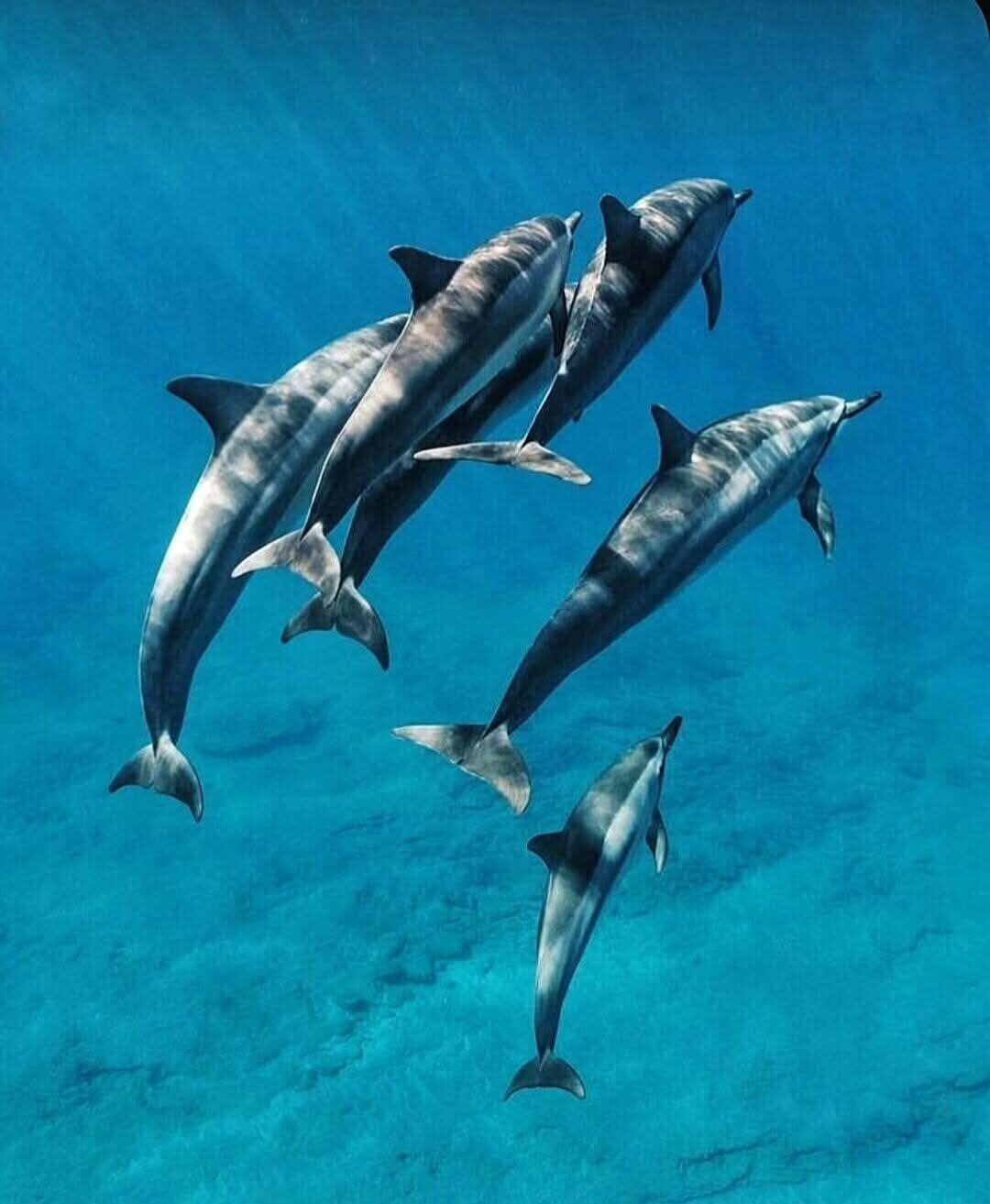
Sightings are common and never guaranteed, and how the boat behaves matters more than where it goes. Both of those points are covered properly below, because most listings skip them.
Kizimkazi Dolphin Watching Trips on the South Coast
Kizimkazi is where the dolphin watching trips concentrate, and it has been the centre of this activity for decades.
The shallow water off the two villages, Kizimkazi Mtendeni and Kizimkazi Dimbani, supports a resident population year round. The animals come here for a reliable food supply and use the calm coastal shallows to rest, nurse calves and socialise, which is precisely why they are reliably found and precisely why they are vulnerable to being disturbed.
Boats leave at first light from the fishing beach at Mtendeni. From Stone Town or the northern beaches that means a hotel pickup somewhere between five and six in the morning. From Paje or Jambiani the drive is closer to an hour.
A trip runs two to three hours, usually with a snorkelling stop over coral on the way back, and most operators bundle in a visit to the Dimbani mosque or a village walk afterwards.
Take the earliest boat available, between six and eight in the morning. The sea is flattest, the animals are most active near the reef edge, and there are far fewer boats on the water than there will be by nine.
Which Dolphin Species Live Around Zanzibar
Two species matter here, and they behave very differently.
Indo Pacific bottlenose dolphins are resident off Kizimkazi throughout the year and are the ones almost everyone sees. They move in pods, surface predictably and tolerate boats at a distance, which is why the industry grew up around them.
Indian Ocean humpback dolphins also use these waters. They are considerably shyer, their appearances are far less predictable, and seeing one is a genuine piece of luck rather than a scheduled part of the morning.
The same trips regularly turn up turtles, rays and reef fish, and the snorkelling stop is often the part people enjoy most when the dolphins are elusive.
Mnemba Atoll and the Northeast Coast Reef Trips
Dolphins are not confined to the south. Pods move through the water around Mnemba Atoll off the northeast coast, and boats running the reef will often detour when one is spotted.
This is not a scheduled dolphin trip and should not be sold to you as one. The atoll is a snorkelling and scuba destination first, reached in about fifteen minutes from Matemwe or an hour from Nungwi, and dolphins are a bonus that happens often enough to hope for.
Anyone based on the north or northeast coast who wants a reasonable chance of seeing dolphins without a three hour round trip to Kizimkazi will do better booking an early Mnemba reef morning than a dedicated dolphin excursion from that end of the island.
Menai Bay and Safari Blue Dhow Trips From Fumba
Menai Bay in the southwest covers around four hundred and seventy square kilometres and is the largest marine protected area in Zanzibar, taking in reef, seagrass, mangrove and the waters the Kizimkazi dolphins use.
Safari Blue dhow trips leave from Fumba on the southwest coast and work this bay across a full day of seven or eight hours, combining snorkelling, a sandbank, a mangrove lagoon and a seafood lunch. Dolphin sightings occur on these trips reasonably often, again as a bonus rather than a promise.
For anyone based in or near Stone Town who wants a long day on a traditional dhow with a real chance of dolphins along the way, this is the better option than driving south at five in the morning.
The best dolphin sightings on this island tend to happen on trips that were not sold as dolphin trips.
Swimming With Dolphins in Zanzibar and the Ethics of It
This section is the reason to read past the first paragraph.
The pods off Kizimkazi are resting and nursing animals. When several boats converge on a single pod with engines running, cut across its path and drop swimmers in front of it, the animals go deep and move away. Repeated pursuit interrupts rest and feeding, and the pressure on this population from unregulated boat traffic is well documented along this coast.
What a responsible operator looks like: the skipper keeps distance, cuts the engine and lets the pod set the terms. If anyone enters the water, they do it quietly from the side of the boat rather than swimming at the animals. Nobody touches or feeds anything. The boat does not circle.
You are entitled to ask for that, and to say something if a crew is doing the opposite. Choose on that basis rather than on who promises the closest contact, because the promise itself tells you how the animals will be treated.
Actually swimming alongside dolphins is rare in any case. It needs patience, calm water and a pod that has not already been harassed by four other boats that morning.
Turtles, Whale Sharks and Other Marine Life on Zanzibar Trips
Dolphins are the headline, and they are not the only thing worth getting on a boat for.
Green turtles are the most reliable sighting on the archipelago, grazing on the reef at Mnemba and Chumbe and surfacing to breathe, and they are seen far more consistently than any dolphin. Turtle hatching happens seasonally in the wider archipelago, with Juani Island off Mafia a known site from around June.
Rays work the sand between coral heads at most reef sites, and the fish life across Zanzibar’s waters runs to over six hundred species. Whale sharks are a Mafia Island proposition rather than an Unguja one, reached from Dar es Salaam rather than through Zanzibar, which surprises people who assume it is a short hop.
Keep your distance from all of it. Do not touch turtles, do not lift starfish out of the water for photographs, and do not chase anything. The rules are the same whichever animal you are looking at.
What to Expect on a Zanzibar Dolphin Trip
An early start. Pickups run from five to six in the morning depending on where you are staying. This is not negotiable if you want good conditions, and it is the single biggest factor in whether the morning works.
A small open boat. Fibreglass motorboats with a skipper and a guide, no shade and no facilities. Bring sun protection, water and a dry bag for anything you would rather not soak.
A snorkelling stop. Almost always included on the return, over coral within the conservation area. Gear is provided and quality varies, so inspect what you are handed before the boat leaves.
No guarantees. Sightings happen on most mornings. They do not happen on all of them, and no refund culture exists around that. Treat the boat ride and the reef stop as the trip and the dolphins as the possibility.
Best Time of Year for Dolphin Watching in Zanzibar
The resident bottlenose population is present year round, so the season affects conditions rather than presence.
The dry months from June to October and the short dry window of January and February give the calmest seas and the best chance of a productive morning, along with good visibility for the snorkelling stop. October and February in particular tend to be flat.
During the long rains from March to May the water is rougher, visibility drops sharply and trips are cancelled more often. The animals are still there; getting to them comfortably is the problem.
Within any day, dawn beats every other consideration. By mid morning the wind picks up, the boat traffic builds and the pods have usually moved off.
Getting to Zanzibar’s Dolphin Sites
Kizimkazi sits at the southern tip of Unguja, around sixty kilometres and ninety minutes by road from Stone Town or the airport. From Paje and Jambiani allow about an hour, from Pongwe around ninety minutes, and from Nungwi or Kendwa in the north closer to two and a half hours.
That northern figure is worth pausing on. A dawn departure from Nungwi means leaving at four in the morning, which is a genuinely poor trade for a two hour boat ride. Anyone staying in the north is better served by an early Mnemba trip.
Fumba, for the Safari Blue dhow days, is about forty minutes southwest of Stone Town. Mnemba is reached from Matemwe in fifteen minutes by boat or from Nungwi in about an hour.
Frequently Asked Questions About Dolphins in Zanzibar
How much does a Zanzibar dolphin tour cost?
Shared boat trips from Kizimkazi typically run around $25 to $50 per person including snorkelling gear. Tours booked from Stone Town with transfers included usually fall between $50 and $90 per person, and combined dolphin and Jozani Forest days cost more again. Safari Blue full day dhow trips from Fumba are priced higher, reflecting the length of the day and lunch aboard.
Are you guaranteed to see dolphins in Zanzibar?
No. Bottlenose dolphins are resident off Kizimkazi year round and sightings occur on most mornings, but conditions and boat traffic both matter, and nothing is promised. Swimming alongside them is considerably rarer. Any operator guaranteeing a swim is telling you how they intend to treat the animals.
Is swimming with dolphins in Zanzibar ethical?
It depends entirely on the operator. The pods here are resting and nursing, and repeated pursuit by multiple boats disturbs them. Responsible crews keep distance, cut the engine and let the animals decide, without chasing, circling or dropping swimmers in a pod’s path. Choose on that basis rather than on promised proximity.
What time do dolphin tours leave in Zanzibar?
Boats leave at first light, usually between six and eight in the morning, which means hotel pickups from five to six depending on distance. From Stone Town allow ninety minutes to Kizimkazi, from Paje about an hour, and from Nungwi around two and a half hours, which makes a northern departure impractical for most people.
Can you see dolphins from the beach in Zanzibar?
Occasionally, from the south coast around Kizimkazi where the animals work shallow water close to shore, and sometimes from boats crossing to Mnemba. It is not something to plan around. A dedicated dawn boat trip is far more reliable, and the reef stop makes the morning worthwhile even when the dolphins do not appear.
What is the best time of year for dolphin watching in Zanzibar?
June to October and January to February, when the sea is calmest and visibility for the snorkelling stop is best. The resident population is present all year, so the season affects conditions rather than whether the animals are there. March to May brings rough water and frequent cancellations during the long rains.
On this island the operator you pick changes both what you see and what the animals go through, and that is impossible to judge from a listing photograph. Holidays To Zanzibar works with skippers who cut the engine and hold their distance, and who use the Dimbani mosque and the village afterwards rather than driving straight back.
For a dawn trip arranged around the animals rather than the sales pitch, get in touch with Holidays To Zanzibar and a real person will reply.