The best time to visit Zanzibar is the long dry season from June to October, when rainfall drops away, humidity falls and the sea is at its clearest for snorkelling and reef trips. January and February give a second dry window that is hotter and usually cheaper. Zanzibar is a Tanzanian archipelago in the Indian Ocean with a tropical climate governed by two monsoon wind systems rather than by temperature.
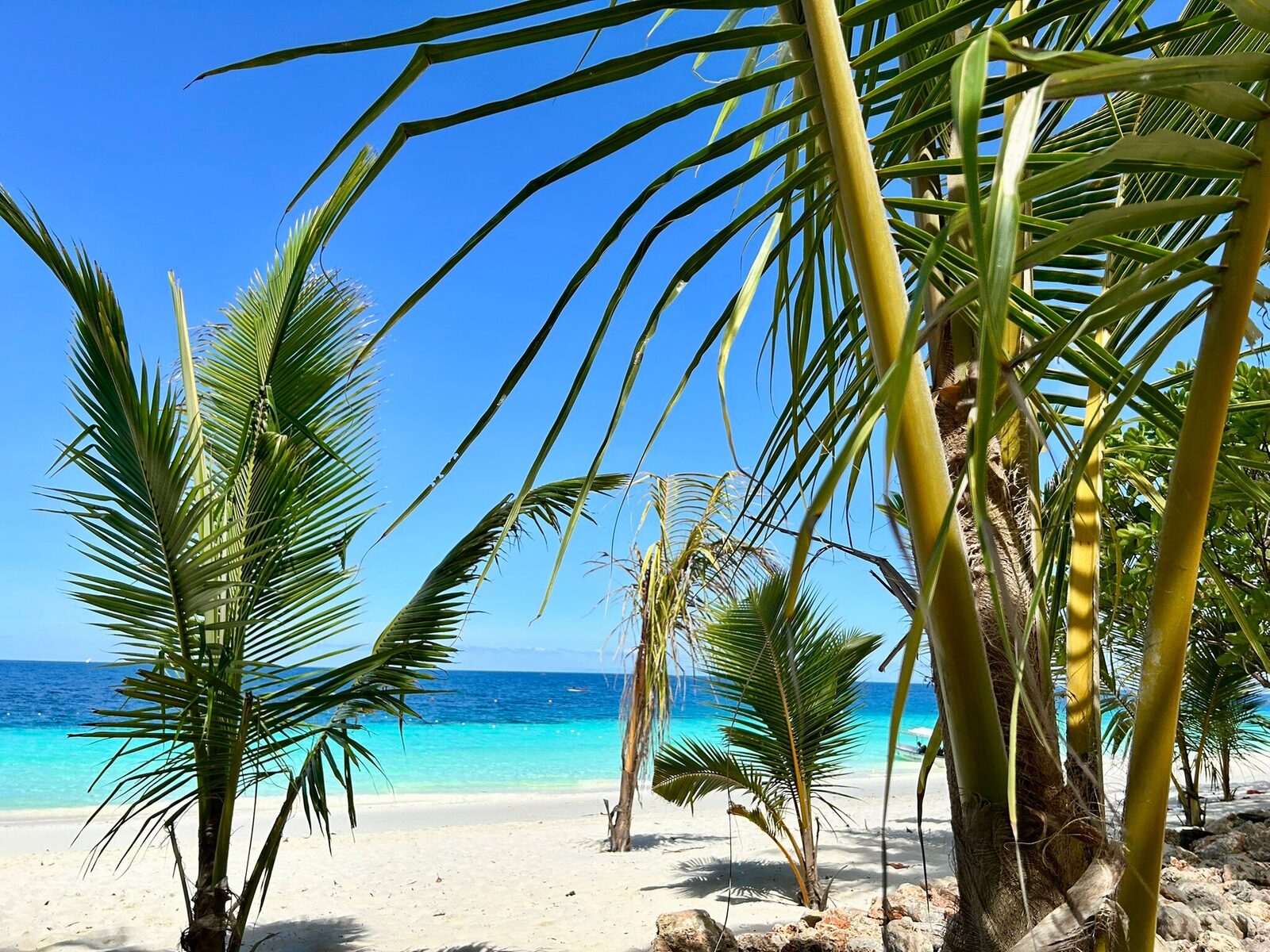
It is warm here every month of the year. What changes is rain, wind, sea clarity and price, and those four things decide whether the trip you have in mind will work.
The Long Dry Season: June to October for a Zanzibar Beach Trip
This is the window most people mean when they ask about the best time for a Zanzibar beach trip. Monthly rainfall averages roughly thirty five to fifty millimetres, skies stay clear, and humidity sits at its lowest point of the year.
Daytime temperatures run around twenty eight to thirty degrees, with nights dropping to the low twenties. By island standards that counts as cool, and it is the difference between walking Stone Town comfortably and walking it slowly.
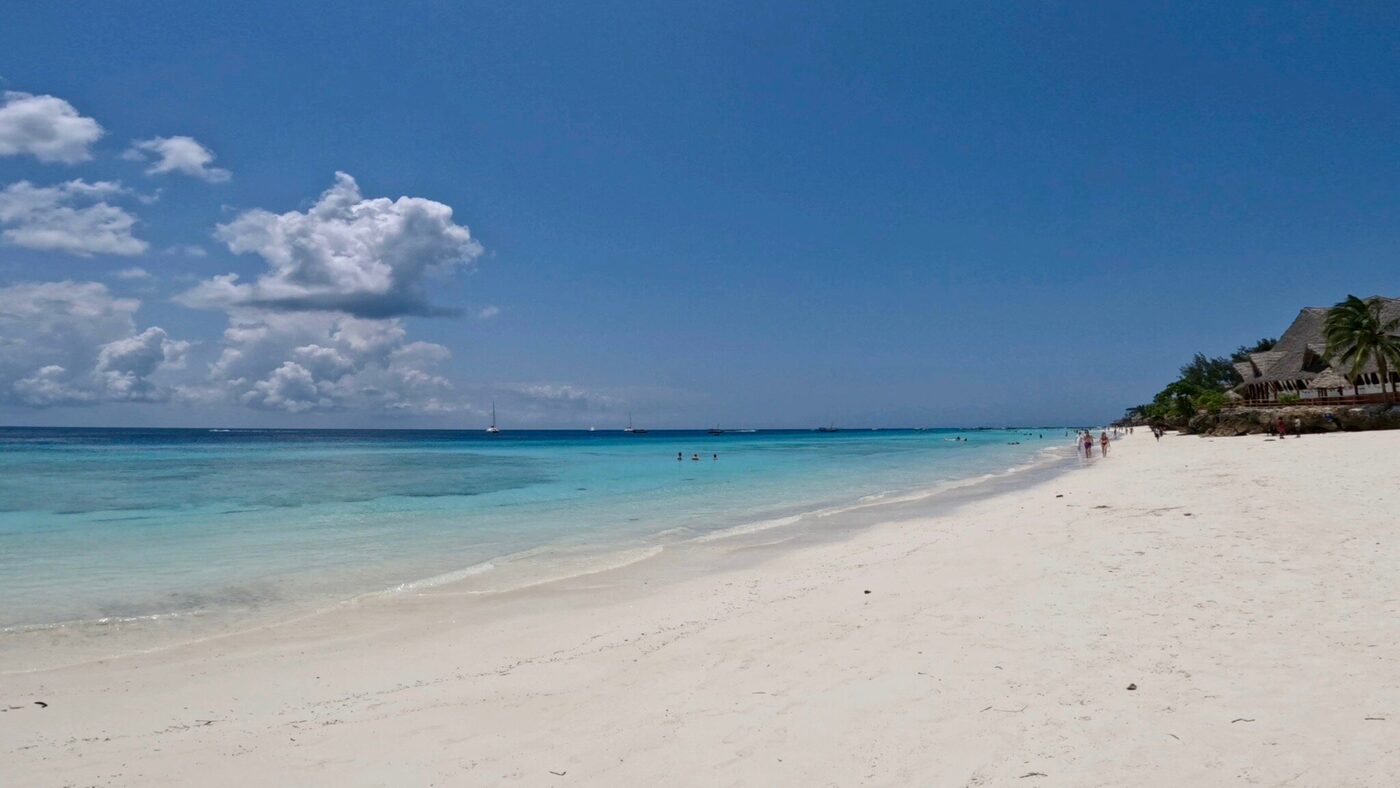
The sea does its part too. Visibility for snorkelling is at its best, crossings to Mnemba and the sandbanks are calm, and the beach lodges that shut for the rains have all reopened by June. July through September is the heart of it.
The catch is obvious. This is peak season, it overlaps with the Tanzanian safari high season, and prices and occupancy reflect that. Book months ahead if your dates fall here.
September and early October are the sweet spot within the dry season. The weather is still reliable, the July and August crush has thinned, and rates ease slightly before the short rains arrive.
The Short Dry Season: January and February Trips
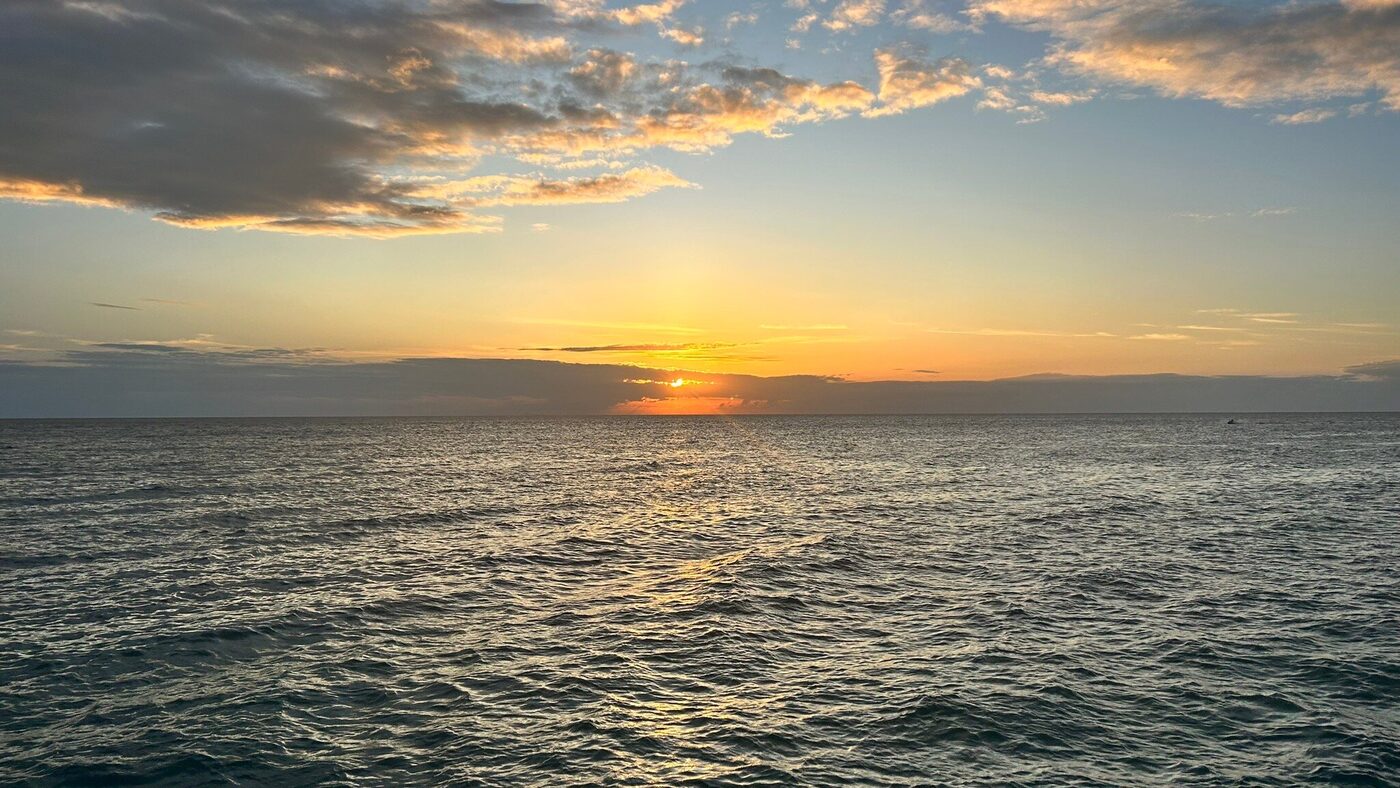
Between the two rainy periods sits a second dry window that far fewer visitors plan around, and it deserves more attention.
January and February are hot. Daytime highs push into the low to mid thirties and humidity is higher than in the middle of the year, so this is a period for people who like heat rather than people who tolerate it. Rainfall stays minimal and the water is warm and clear, which suits snorkellers and newer swimmers well.
Prices sit below the June to October peak once the Christmas and New Year surge has passed, which makes early January onwards decent value. February brings the Sauti za Busara music festival to Stone Town, which is worth timing a Stone Town trip around if the music appeals and worth avoiding if you want a quiet old town at a normal rate.
The Long Rains of March to May and What They Mean for Your Trip
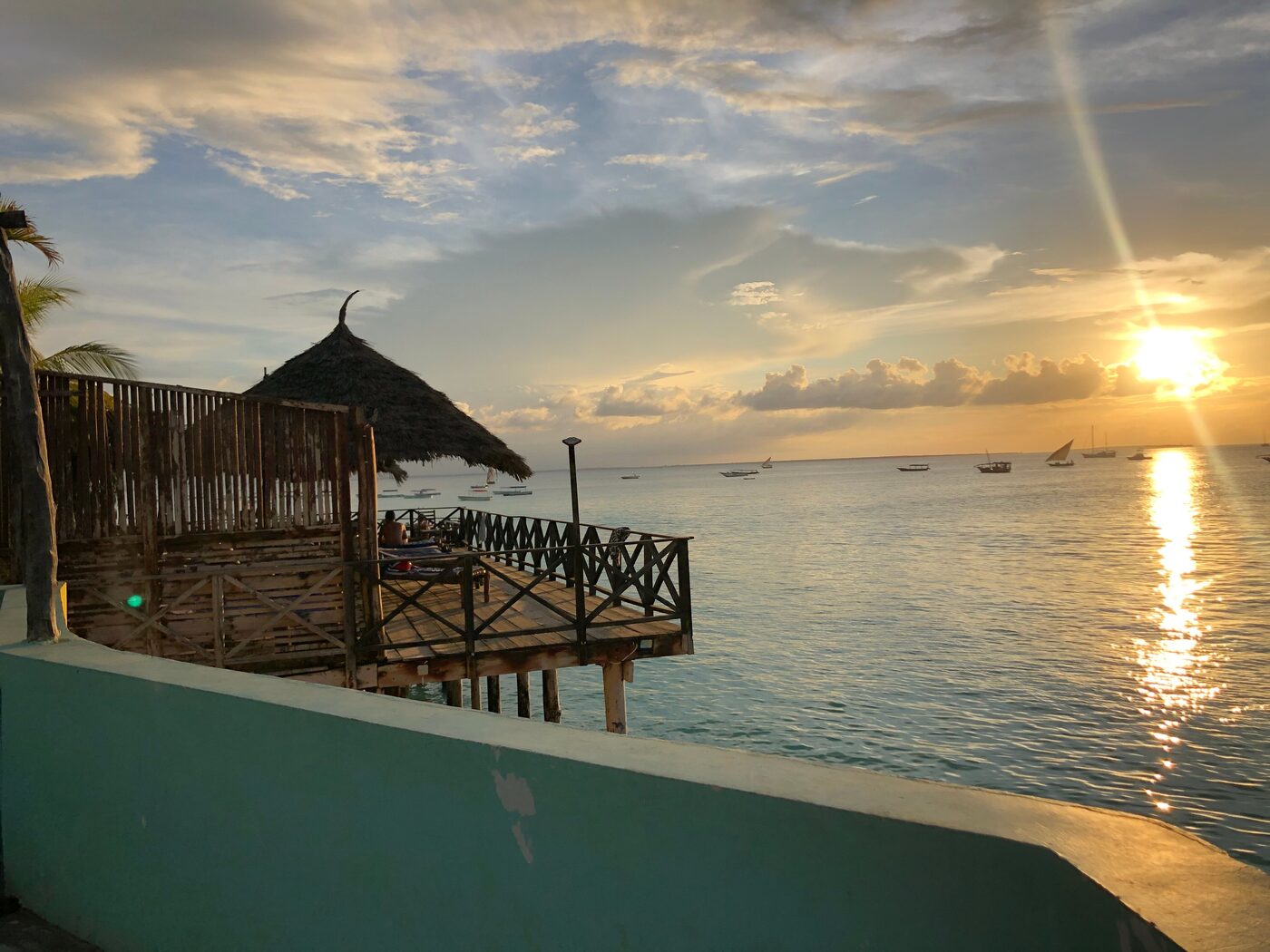
The long rains, known locally as the masika, run from March through May and peak hard in April. In that single month rainfall can exceed the combined total for June to October.
What that looks like on the ground: heavy afternoon and evening downpours that sometimes last for hours, high humidity, air temperatures above thirty degrees, and a sea churned up and silty enough that underwater visibility collapses. Boat trips are cancelled regularly. Some hotels close for part of the period, and staff take their leave.
It is not unvisitable. The island turns green, the skies are dramatic, sunrises on the east coast are at their best, and rates fall to the lowest of the year. Anyone who wants Stone Town without crowds and does not need the water will find something here.
But if the beach and the reef are the reason you are coming, April is the month to avoid, and May is not much better.
The Short Rains: November and December Tours
The short rains, the vuli, arrive around November as temperatures rise. These are a different animal from the masika. Cloud builds through a sunny, humid morning and breaks into a heavy but short lived afternoon shower, and then it clears.
Most Zanzibar tours run normally through this period, and a rainy afternoon is easily absorbed into a day that was mostly dry. Sea conditions are usually workable, though visibility is not at dry season levels.
Value is reasonable in November and early December, then disappears entirely. The Christmas and New Year fortnight carries the sharpest price spike of the year, above even the July and August peak, with minimum stay requirements at many properties.
Best Time for Snorkelling and Reef Trips in Zanzibar
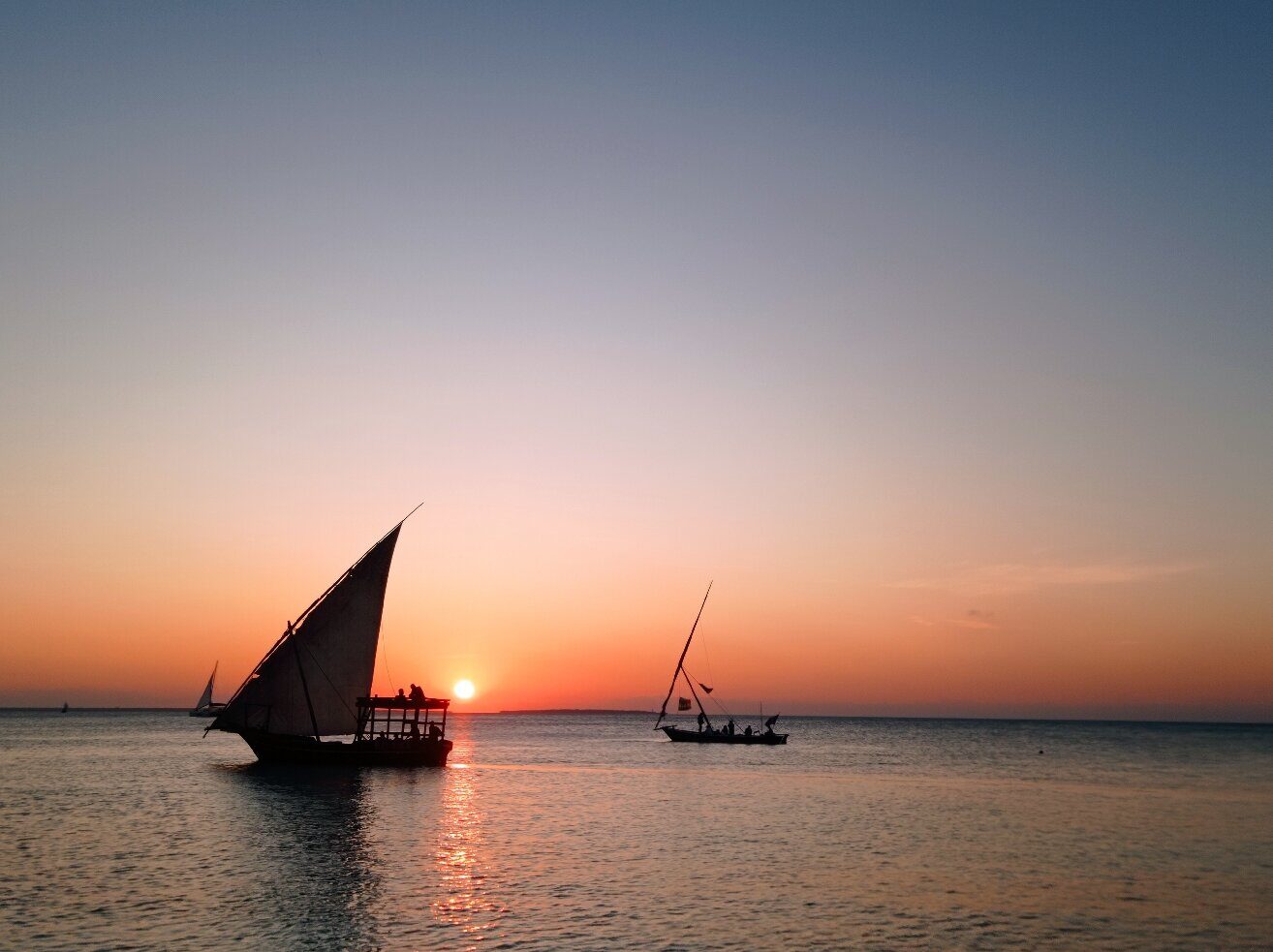
Underwater visibility follows rainfall almost exactly, because sediment washing off the land is what clouds the water.
July to September is the strongest window, with calm seas and clear water at Mnemba Atoll, Chumbe Island and the reefs off Tumbatu. February and March give a shorter second period with warm, clear conditions that suit snorkellers and newer scuba divers, with fewer boats than mid year.
March through May is the period to avoid for anything underwater. Runoff during the long rains reduces visibility sharply and rough crossings cancel trips. If a reef day is the centrepiece of your holiday, plan the whole trip around this rather than around anything else.
Every other decision about timing can be worked around. Sea visibility cannot, so if the reef matters, build the dates around it first.
Best Time for Kitesurfing Trips at Paje
Kitesurfing trips run on wind rather than sunshine, which gives Paje a different calendar from the rest of the island.
Two monsoon systems provide it. The kaskazi blows from the northeast roughly December to March, and the kusi comes from the southeast roughly June to September. Both are reliable, and those are the months when the kite schools are fully staffed and the lagoon is busy.
Outside those windows the wind turns patchy and unreliable, and April and May in particular are close to dead. Anyone booking a kite holiday should check the season before anything else, since the beach looks identical in photographs whichever month you go.
Best Time to Combine a Zanzibar Trip With a Tanzania Safari
Plenty of people reach the island as the second half of a mainland trip, and the calendars line up neatly.
July to October. The classic combination. Serengeti river crossings during the migration, predators concentrated around shrinking water, and Zanzibar’s dry season for the wind down days. The most popular pairing and the most expensive.
Late January to February. Wildebeest calving in the southern Serengeti around Ndutu runs alongside Zanzibar’s short dry season. Excellent on both sides at prices below the mid year peak.
June. The rains have cleared on both the mainland and the island, beach lodges have reopened, and peak season rates have not yet fully arrived. A good compromise month.
March to May. Green season on the mainland with lower rates and thicker vegetation, and the worst of Zanzibar’s weather. The weakest pairing of the year for a beach finish.
Timing Your Trip Around Festivals and Ramadan
Two festivals dominate the Stone Town calendar. Sauti za Busara, the music festival, takes over the Old Fort in February. The Zanzibar International Film Festival runs in July, screening in the same open air amphitheatre during the dry season. Both fill the old town and push accommodation rates up sharply, so they are worth either planning for or planning around.
Ramadan matters more for how the island feels. Zanzibar’s population is predominantly Muslim, and during the fasting month many local restaurants close during daylight hours, some tours run on reduced schedules and the pace of everything slows. Beach resorts operate normally and visitors are welcome, but eating and drinking openly in public during the day is inconsiderate and noticed.
The dates shift roughly eleven days earlier each year against the Western calendar, so check where it falls for your travel dates rather than assuming. Eid at the end of it is a genuinely good time to be here if you enjoy a celebration.
Best Time for Value on a Zanzibar Trip
The cheapest months are April and May, comfortably. Rates fall across every tier, availability is wide open, and the trade off is the weather described above.
The best balance of price and conditions sits in November and early December, and again in early to mid January once the New Year rush has cleared. Both give workable weather at rates well below peak.
The most expensive periods are the Christmas and New Year fortnight first, then July and August, then February around the music festival in Stone Town alone. Anyone with flexible dates who shifts a week either side of those windows saves a substantial amount for very little change in weather.
Frequently Asked Questions About the Best Time to Visit Zanzibar
What is the cheapest time to visit Zanzibar?
April and May, during the long rains. Off season accommodation averages around $63 per night against roughly $118 in peak season, close to a halving. Budget travellers can manage $40 to $90 per person per day in this period. The Christmas and New Year fortnight is the most expensive time of the year, followed by July and August.
Which months should you avoid in Zanzibar?
April above all, and May close behind. These are the peak of the long rains, when downpours can last hours, sea visibility collapses, boat trips are cancelled and some hotels close entirely. If your trip depends on the water, avoid them. If you want a quiet green island at the lowest rates of the year and can accept the weather, they are defensible.
Is Zanzibar hot all year round?
Yes. Air temperatures vary little across the year, with average conditions running from around twenty six degrees in August to twenty nine in February, and the sea rarely dropping below twenty five degrees. June to October is the coolest and least humid period, with days around twenty eight to thirty degrees. January and February are the hottest, pushing into the low to mid thirties.
When is the best time for snorkelling in Zanzibar?
July to September for the clearest water and calmest seas, with February and March offering a good second window. March to May is the worst period, when runoff from the long rains clouds the water and rough conditions cancel boat trips. Marine park fees of about $10 to $12 per person per day apply in protected waters whatever the season.
When is the kitesurfing season in Zanzibar?
Two windows, driven by the monsoons. The kaskazi from the northeast blows roughly December to March, and the kusi from the southeast roughly June to September. Paje is the centre of it. Outside those months the wind is unreliable, and April and May are close to off season for kiting.
Does the rainy season ruin a Zanzibar holiday?
The short rains of November and December rarely do, since they usually mean a heavy shower in the afternoon within an otherwise sunny day. The long rains of March to May are a different matter, with sustained downpours, poor sea visibility and reduced services. Whether it ruins the trip depends on whether you came for the water or for the island.
Timing is the decision that quietly determines everything else about a Zanzibar trip, and the right answer changes depending on whether you came to snorkel, to kite, to walk Stone Town or simply to sit still. Holidays To Zanzibar has been running trips here across every month of the calendar and will tell you honestly when your dates will not deliver what you have in mind.
For a straight answer on whether your travel window suits your plans, or help shifting it slightly to something better, contact Holidays To Zanzibar and a real person will reply.