The best sites are Mnemba Atoll off the northeast coast for fish life, Chumbe Island Coral Park in the southwest for coral condition, and Pemba Island to the north for serious wall sites. Boat trips leave every morning and are booked through hotels, operators or beach captains. Zanzibar’s waters hold over six hundred fish species and around fifty types of coral across this Tanzanian archipelago.
A daily marine park fee applies in protected waters and is frequently quoted separately from the trip price, which is the single most common billing dispute out here.
Mnemba Atoll Snorkelling and Scuba Trips
The headline site, and the one every operator on the north and east coasts sells.
Mnemba Atoll is a ring of protected reef surrounding a small private island, reached in about fifteen minutes by boat from Matemwe or an hour from Nungwi. Moorings sit around the outside, and you enter from the side of the boat and drift while the crew follows.
Expect clouds of anthias and fusiliers, angelfish, butterflyfish, parrotfish working the coral, moray eels in crevices, lionfish under overhangs and stingrays on the sand between coral heads. Green turtles are seen regularly and dolphins pass through.
For scuba, the atoll offers a spread from gentle shallow gardens suitable for training to drop offs on the outer edge where the reef falls into deeper water. Operators run two tank morning trips as standard.
The honest caveat is crowding. By mid morning in high season the moorings carry a lot of boats and a lot of swimmers. Take the first departure of the day, which matters more than any other decision you make about this site.
Ask before booking whether the marine park fee is inside or outside the quoted price. Operators are inconsistent about it, and finding out at the jetty is a poor start to the morning.
Chumbe Island Coral Park Reef Tours
If coral condition matters more to you than fish volume, Chumbe wins outright.
The reef along the western side of this small island southwest of Stone Town has been closed to fishing since the 1990s, and it spent decades inside a military exclusion zone before that, so it was never damaged rather than restored. Coral cover is dense and varied, with hard and soft species in genuinely good condition, and fish populations reflect what an unfished reef supports: large groupers, snapper, parrotfish and wrasse in numbers you will not see elsewhere on the archipelago.
Access is by all inclusive day package only, running roughly ten in the morning to late afternoon, with boat transfers, lunch, a guided ninety minute snorkelling tour with a ranger, forest and mangrove walks and the historic lighthouse included.
Daily numbers are capped deliberately, which is why it must be booked well ahead and why you may share the island with fewer than ten other people. Scuba is not permitted in the reserve; this is a snorkelling site by design.
Pemba Island Wall Sites for Experienced Divers
Pemba lies fifty to sixty kilometres north of Unguja across a deeper channel, and its reefs are regarded among the best in the region.
What sets Pemba apart is topography. The channel drops away steeply, producing wall sites with real depth and current rather than the shallow gardens that characterise most of Unguja’s water. That suits experienced divers and does not suit casual snorkellers.
The island is reached by a short flight of around half an hour from Zanzibar into Chake Chake, or by a longer ferry. Accommodation is limited and the pace is slow, so treat it as a trip of three nights or more rather than a day out.
Anyone whose holiday is genuinely built around underwater time should look seriously at Pemba rather than assuming Unguja is the whole archipelago.
Tumbatu, Bawe and the Quieter Reef Trips
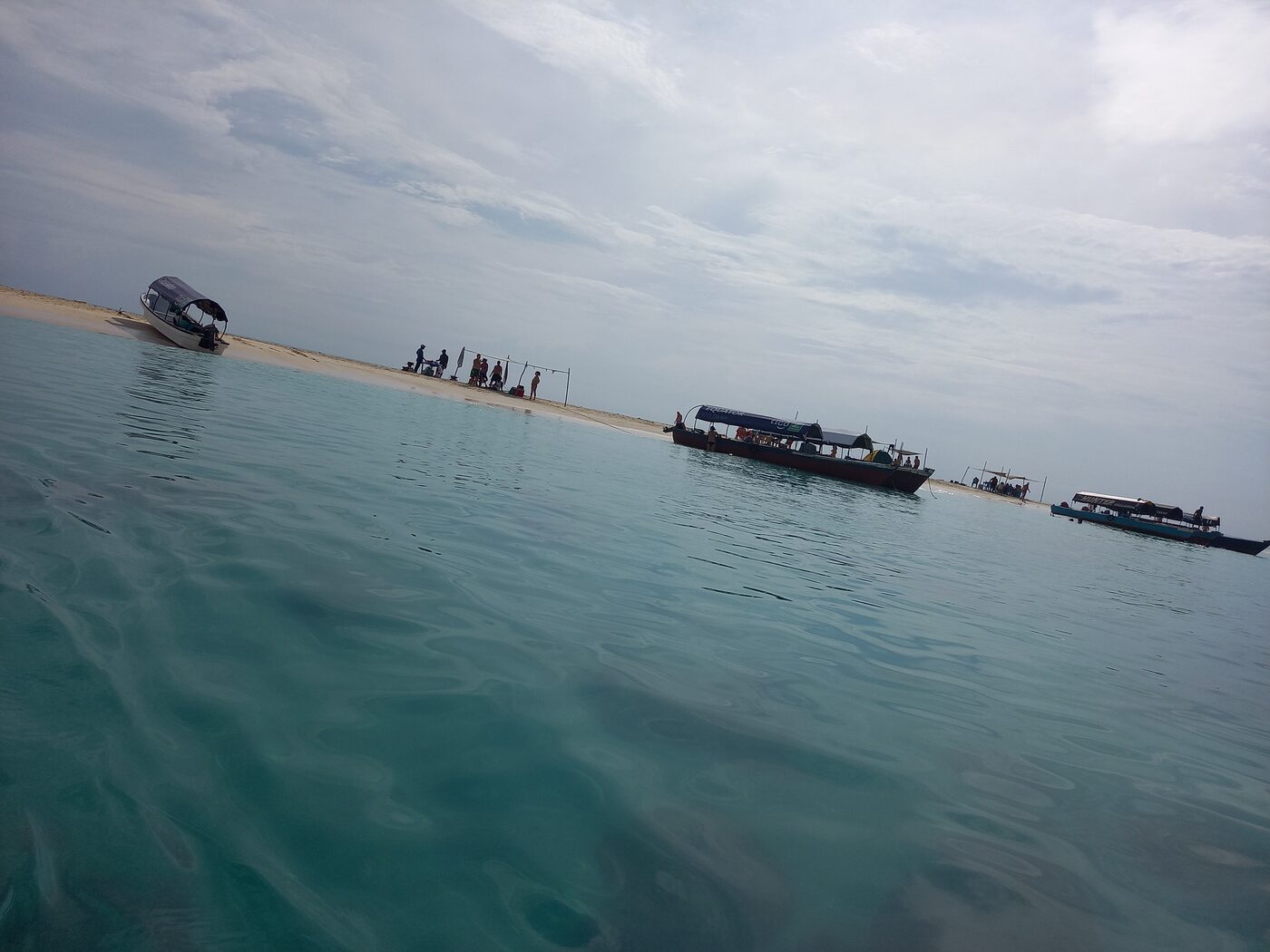
Tumbatu. The archipelago’s third largest island, off the northwest coast and a short boat ride from Nungwi or Kendwa. The reefs here see a fraction of Mnemba’s traffic and are the obvious alternative when the atoll is busy.
Bawe. A small island west of Stone Town with quiet reef and calm shallow water, often added to Prison Island trips or visited on its own. Good for beginners and children.
Blue Lagoon, Michamvi. Off the southeast peninsula, tide dependent and calmest at low water, with parrotfish, triggerfish, boxfish, goatfish and squirrelfish among the coral. Commonly sold as a half day with lunch at The Rock.
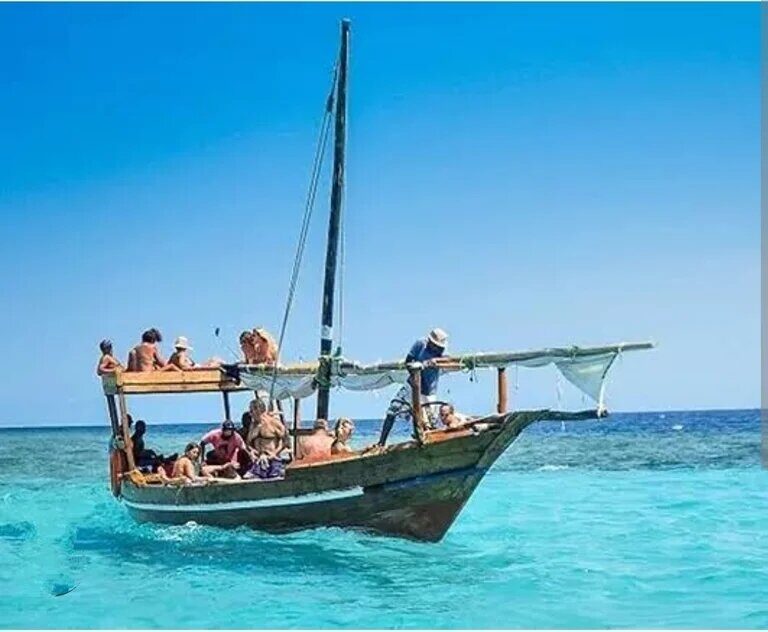
Menai Bay and Kizimkazi. Reef stops within Zanzibar’s largest marine protected area, usually attached to dawn dolphin trips or Safari Blue dhow days from Fumba. Shallow, calm and suited to beginners.
Shore Snorkelling and Where the Tide Allows It
Most of the good water here needs a boat, which surprises visitors who expected to walk in off the beach.
The exception is Nungwi, the one reliable shore accessible option on the island, where the reef is reachable without a boat and the north coast stays deep enough through most of the day. Kendwa nearby shares the deep water without the same reef access.
Everywhere else the tide governs. On the east and southeast coasts at Paje, Jambiani, Bwejuu and Matemwe, low water pulls the sea back hundreds of metres across coral flats, and swimming, let alone snorkelling, is off the table for hours. Check tide tables before planning a shore session anywhere but the north.
Prison Island offers easy sheltered reef close to a small beach, twenty to thirty minutes from Stone Town, which makes it the standard first snorkel for families and complete beginners.
Mnemba for the fish, Chumbe for the coral, Pemba for the drop offs, Tumbatu for the quiet. Four different answers to what looks like one question.
Choosing a Reef Operator and What to Check Before Booking
The site matters less than who takes you to it, which is the opposite of what most people assume when they compare listings.
Three things separate a good operator from a poor one here. Departure time, since the first boat of the day gets clear water and empty moorings while a ten o’clock departure gets neither. Mooring choice, because the busiest sites are not the only ones and a skipper who reads conditions will move you. And equipment, because masks and fins provided on the cheaper trips vary from serviceable to useless.
Before you pay, settle four points: whether the marine park fee is included, how long you actually get in the water rather than on the boat, what gear is supplied, and what time you are back. Bringing your own mask is a small thing that improves a morning out of all proportion to the effort.
For scuba, check the operator’s certification body, group sizes and whether the boat carries oxygen and a first aid kit. Courses run on the island from beginner level through to professional qualifications, and the good schools will ask about your experience before selling you anything.
Marine Park Fees and Reef Etiquette on Zanzibar Trips
Tanzania applies a marine park fee per person per day in protected waters, collected separately from the tour price. Chumbe carries an additional government levy on top of its package price. Both are real costs and both are routinely left out of the number an operator first quotes you.
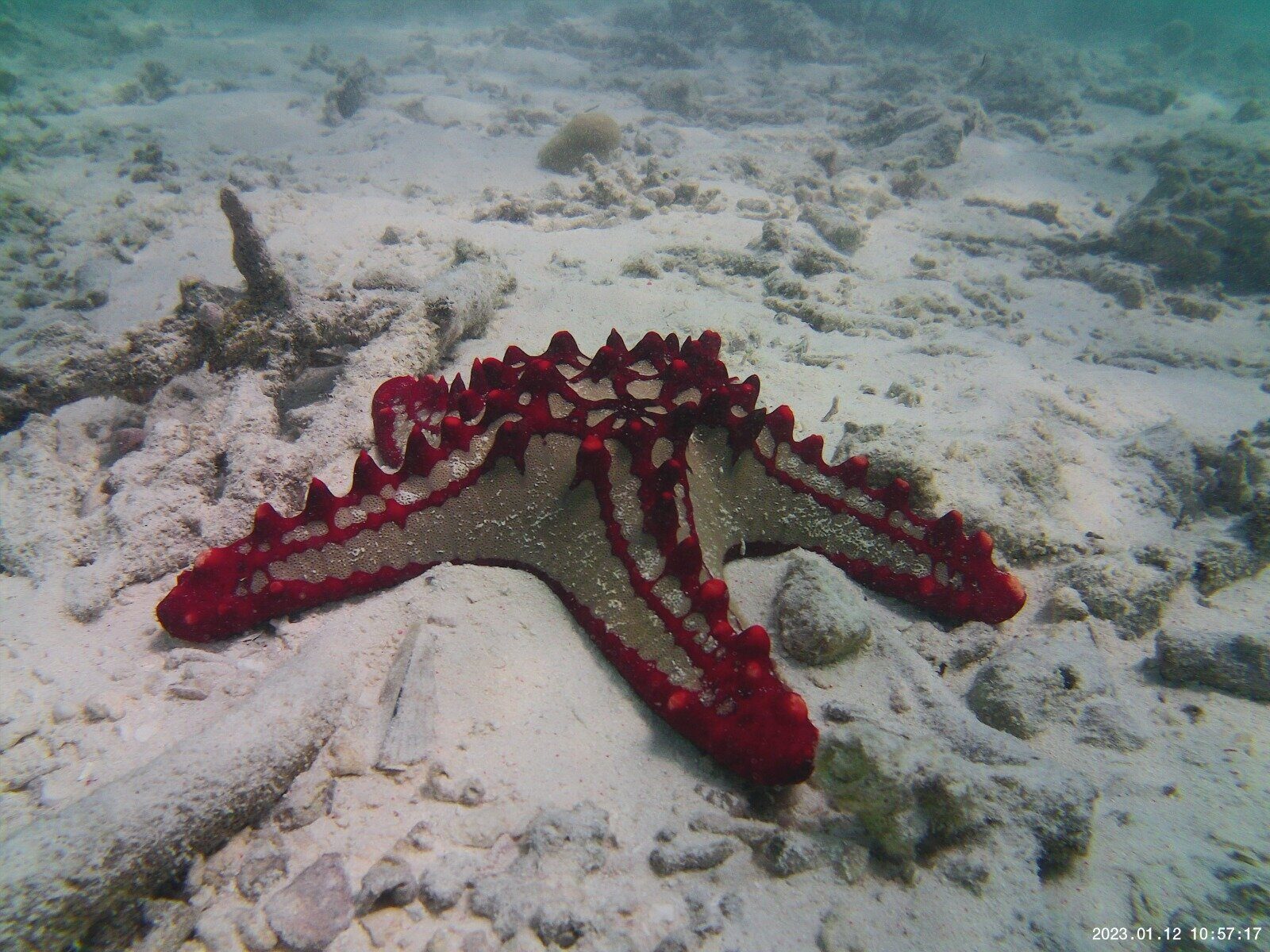
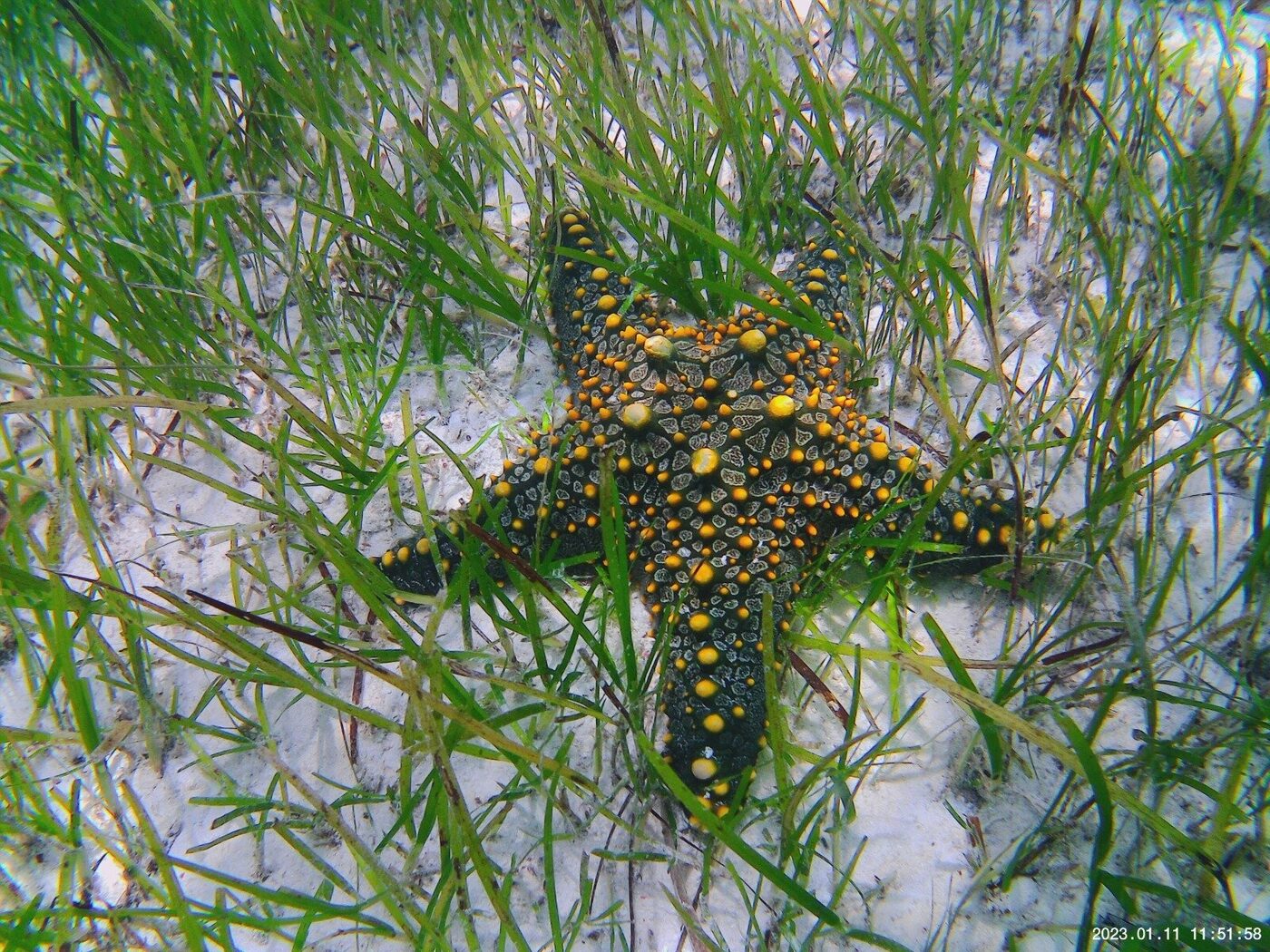
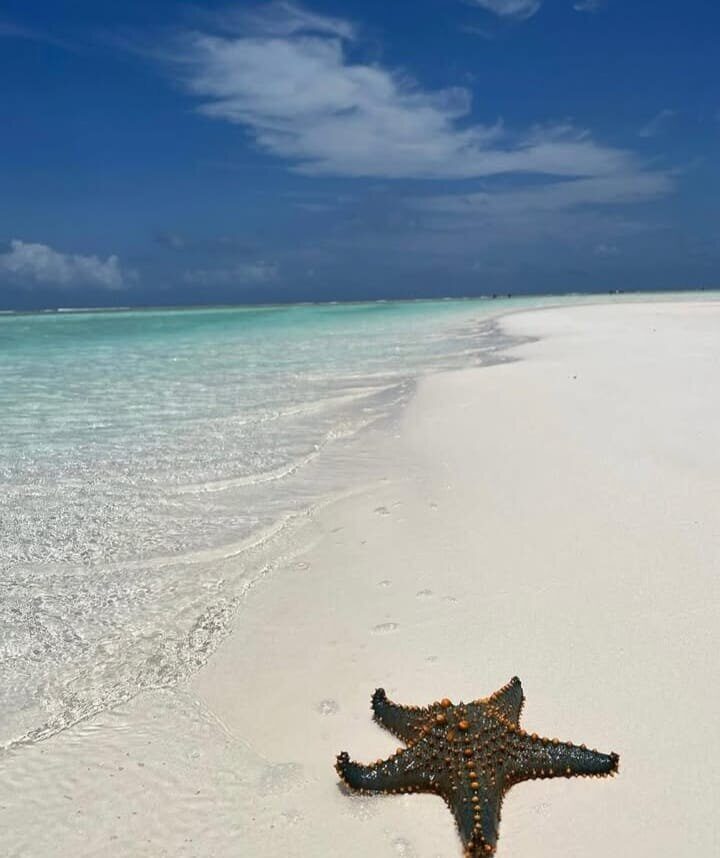
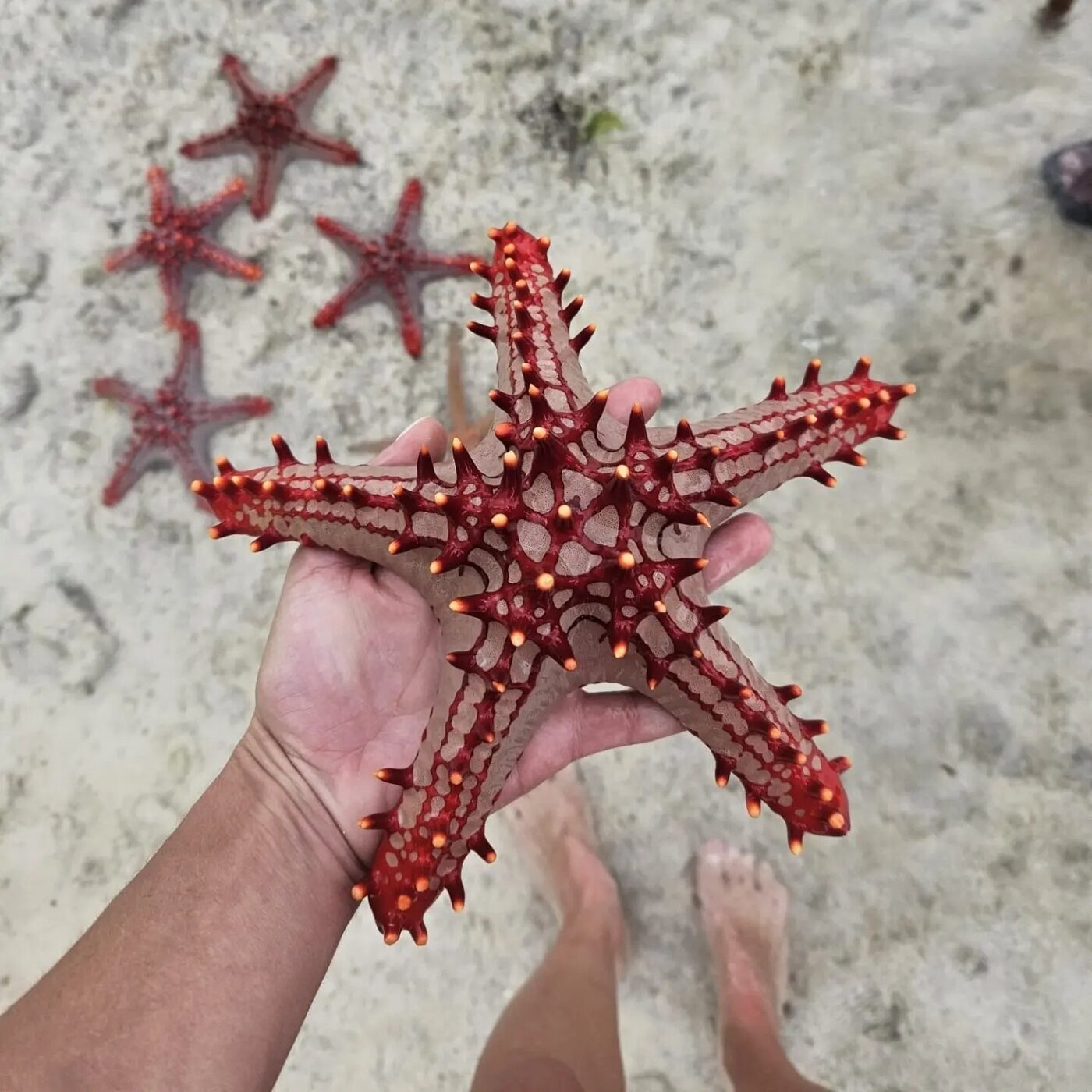
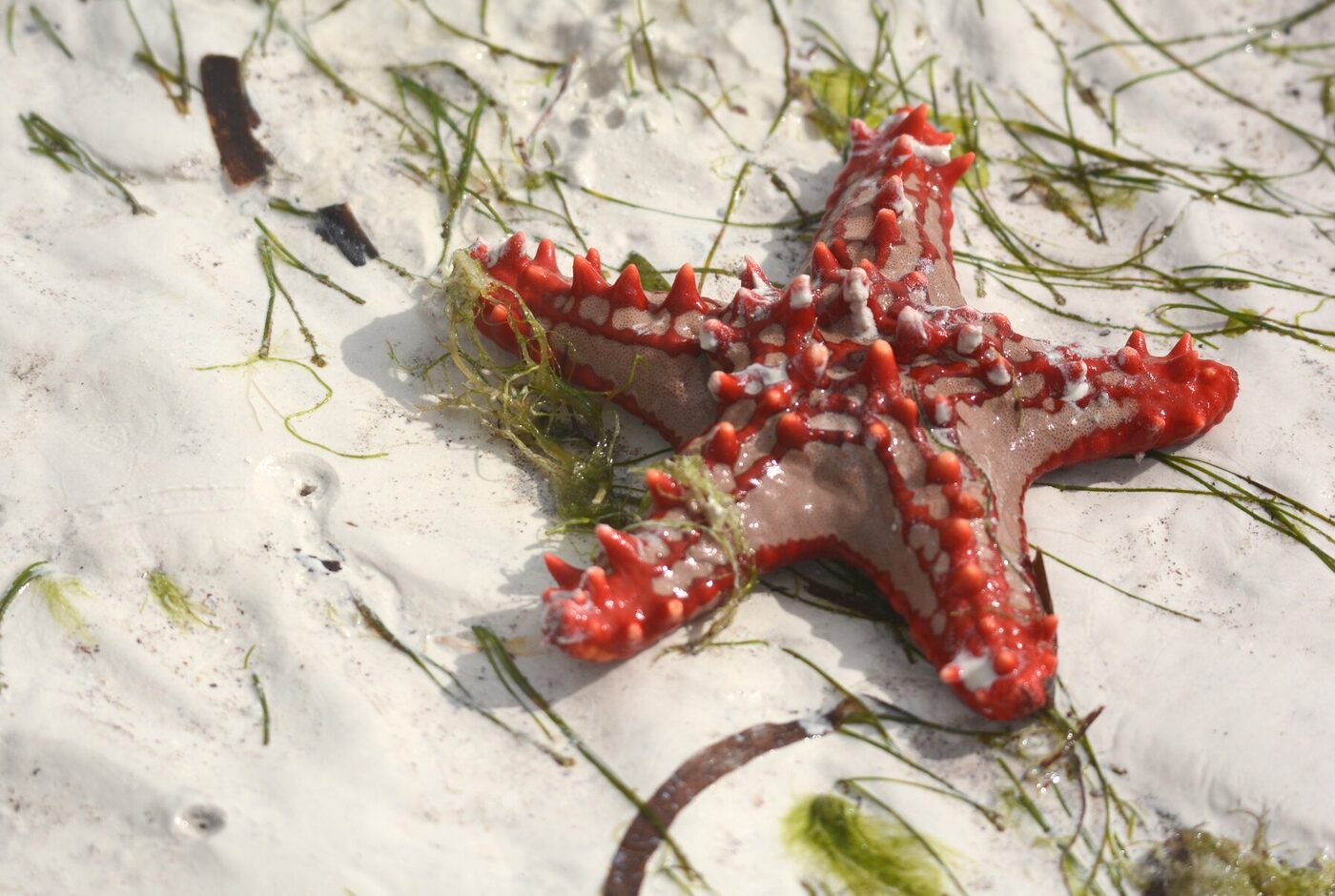
In the water, the rules matter more than they sound. Do not stand on or touch coral, which kills it. Fins do more damage than anything else, usually by accident, so keep them up and behind you in shallow water. Do not chase or corner fish and turtles, and do not lift starfish out of the sea for photographs. Use a rash vest instead of chemical sunscreen, which is not permitted at Chumbe at all.
Coral bleaching from rising sea temperatures is a real and worsening pressure across the western Indian Ocean, and the difference between the protected sites and the unprotected ones is visible within seconds of putting your face in the water.
Best Time of Year for Reef Trips in Zanzibar
Visibility follows rainfall almost exactly, because sediment washing off the land is what clouds the water.
July to September is the strongest window, with calm seas and clear water across every site. February and March give a shorter second period with warm clear conditions suiting snorkellers and newer divers, and with fewer boats than the mid year peak.
March through May is the period to avoid. Runoff during the long rains cuts visibility sharply and rough crossings cancel trips outright. If underwater time is the point of your holiday, build the dates around this before anything else.
Sea temperatures rarely fall below twenty five degrees in any month, so warmth is never the issue.
Frequently Asked Questions About Zanzibar’s Reef Sites
How much do snorkelling trips cost in Zanzibar?
Budget trips run as little as $15 to $50 per person. Shared Mnemba Atoll trips start around $50, with private boats reaching $200 for two people including equipment, transfers and fees. Chumbe Island day packages run $90 to $110 plus a government levy of about $25, bringing the realistic total to $115 to $145. A marine park fee of roughly $10 to $12 per person per day applies in protected waters and is often charged separately.
Which is the best snorkelling site in Zanzibar?
Mnemba Atoll for fish life and variety, and it is the most accessible from the main beaches. Chumbe Island Coral Park for coral condition and for having the water to yourself, since numbers are capped. The trade off is cost and crowding: Mnemba is cheaper and busier, Chumbe is several times the price and strictly limited.
Where is the best scuba in the Zanzibar archipelago?
Pemba Island, where the channel drops away steeply and produces wall sites with real depth and current, regarded among the best in the region and suited to experienced divers. On Unguja, Mnemba Atoll offers the widest range of sites from training shallows to outer edge drop offs. Scuba is not permitted at Chumbe, which is a snorkelling reserve.
Can you snorkel from the beach in Zanzibar?
Reliably only at Nungwi on the north coast, where the reef is reachable without a boat and the water stays deep through most of the day. Everywhere else the tide governs, and on the east and southeast coasts the sea withdraws hundreds of metres at low water. Most good sites here require a boat.
When is the best time for snorkelling in Zanzibar?
July to September for the clearest water and calmest seas, with February and March a good second window. March to May is the worst, when runoff from the long rains clouds the water and rough conditions cancel trips. Sea temperatures stay above twenty five degrees year round, so no wetsuit is needed in any month.
Do you need to be a strong swimmer to snorkel in Zanzibar?
Not at the shallower sites. Prison Island, Bawe, the Menai Bay reef stops and the inner Mnemba moorings are calm and shallow, with life jackets available. Some Mnemba sites carry a current and suit confident swimmers better. Tell the crew honestly how comfortable you are before the boat leaves, and a good operator will choose the mooring accordingly.
The gap between a good reef morning here and a disappointing one comes down to departure time, mooring choice and whether the crew reads the water properly, none of which shows up in an online listing. Holidays To Zanzibar works with skippers who leave early, know which sites are quiet on a given day, and state the marine park fees before you pay rather than at the jetty.
For a reef day matched to your base and your swimming confidence, contact Holidays To Zanzibar and someone who works these waters will reply.