Sunset at Kendwa falls close to six in the evening year round, with the sun dropping straight into the sea in front of a west facing beach where dhows sit at anchor. Beach bars set loungers and low tables out for it, and nothing needs booking. Kendwa lies on Zanzibar’s north west coast, a few kilometres south of Nungwi on Unguja island.
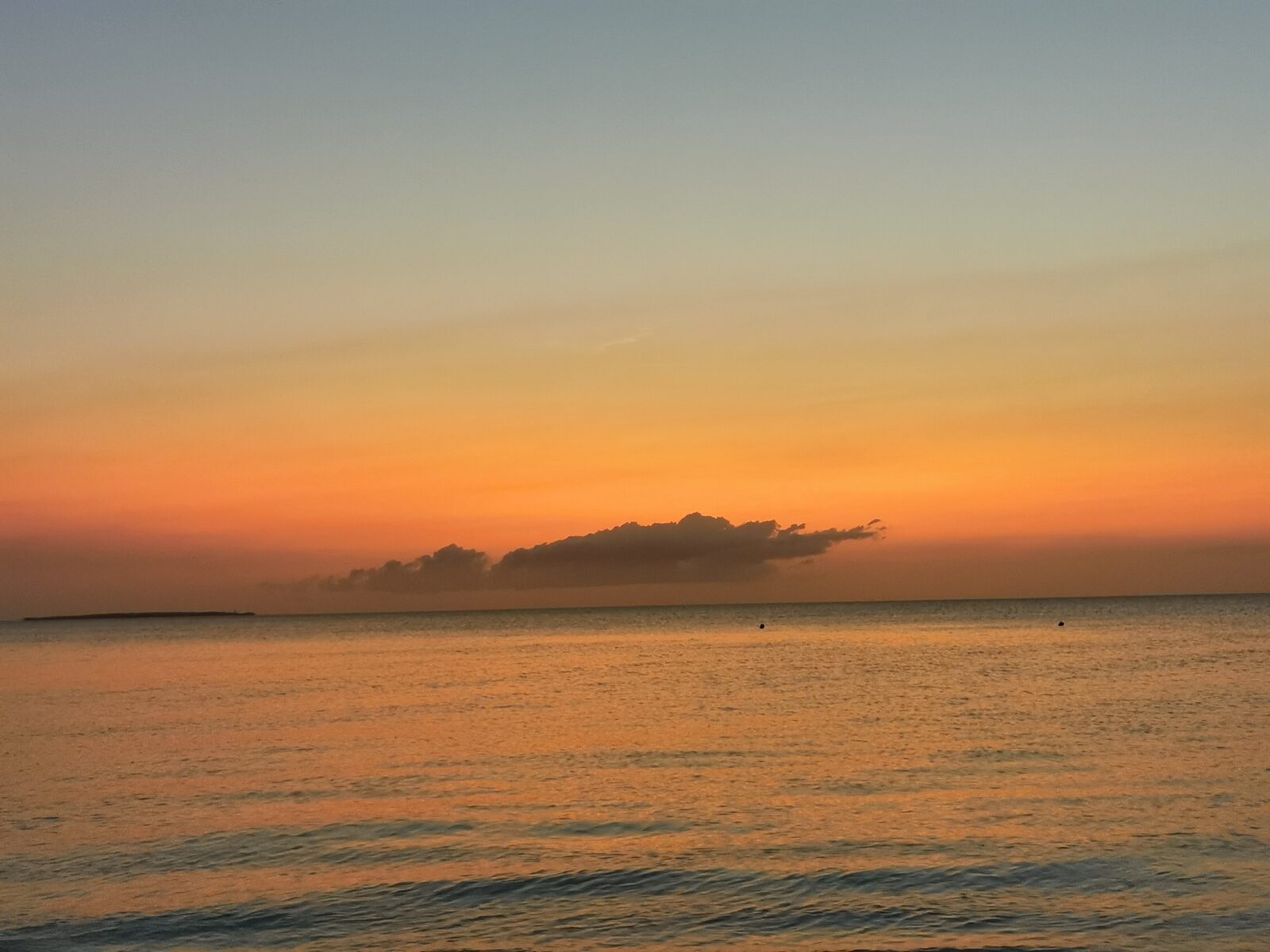
It is the most reliable sunset on the island for one structural reason: the beach faces the right way and the water is still there at six, which is not true of most of Zanzibar’s coastline.
Why Kendwa Gets the Best Sunset on the Island
Three things line up here and they rarely line up together elsewhere.
The beach faces west across the Zanzibar Channel with an open horizon, so the sun sets into water rather than behind land. Most of the east coast, including Paje, Jambiani and Matemwe, faces the other way and gets sunrise instead.
Kendwa also sits outside the broad tidal shelf that governs the rest of the island, so the sea does not withdraw hundreds of metres in the late afternoon. Sunset over an empty coral flat is a very different photograph from sunset over water.
And the beach is wide, with properties set further apart than at Nungwi next door, which means you can find a stretch of sand to yourself without walking far.
Dhows anchored offshore provide the foreground everyone wants, and they are working boats rather than props.
Be in position twenty minutes before sunset rather than five. This island sits six degrees from the equator, so twilight is short and the light collapses within about half an hour of the sun touching the water.
Where to Stand and What to Expect
The whole beach works, which is unusual, so the choice is about atmosphere rather than angle.
The southern end is quieter, with fewer properties and more space, and it suits anyone wanting to watch without a bar behind them.
The middle stretch holds most of the beach bars, with loungers, low tables and bean bags set out facing west for exactly this hour. Drinks arrive without you moving, which is the appeal.
The northern end towards Nungwi gets busier and livelier as the evening builds.
Wherever you settle, the hour before sunset is when the beach fills: swimmers coming out, boats returning, vendors making a last pass along the sand, and everyone drifting towards the waterline. It is a sociable hour rather than a quiet one.
Photographing the Kendwa Sunset
Conditions here are as straightforward as sunset photography gets, which frees you to think about composition.
Get low. Kneeling or lying on the sand with water in the foreground beats standing height every time, and the wet sand left by the last wave gives you a reflection to work with.
Use the dhows. A moored dhow between you and the sun is the shot that makes a Kendwa photograph recognisable rather than generic, and there are usually several to choose an angle from.
Stay after the sun goes. The fifteen minutes following sunset frequently produce better colour than the sunset itself, and most people have wandered off to a bar by then.
Drone use in Zanzibar requires permissions, so check the current position rather than packing one on an assumption.
Sunset From the Water: Dhow Cruises From Kendwa
The alternative to watching from the sand is being out on it.
Sunset dhow cruises leave from the beach in the late afternoon and run an hour or two offshore under sail, usually with drinks included. From the water you get a clean horizon in every direction and the coastline behind you catching the last of the light.
Boats are arranged on the beach or through your hotel, usually on the day rather than in advance, which is the better way round, since conditions decide whether the sailing is any good.
Look a boat over before committing. Check life jackets are aboard, ask how many people will be on it, and settle the price and the return time before boarding. Traditional dhows are considerably more pleasant than motorboats in calm water and less so when it is choppy.
The best fifteen minutes at Kendwa happen after the sun has gone, when the colour arrives and most of the beach has already turned round and walked away.
The Full Moon Party and Saturday Nights
One thing to know before booking accommodation here.
Kendwa Rocks runs a long established Saturday night party that builds through the evening and draws people from across the island, and when a Saturday coincides with a full moon it becomes a full moon party on a considerably larger scale.
For some visitors that is the reason to be here. For others it is the reason to book at the far end of the beach, since sound carries a long way over sand and water.
Outside Saturdays, Kendwa is one of the more relaxed places to spend an evening on the north coast, which is the main difference between it and Nungwi next door.
What to Do After the Sun Goes Down
The evening does not end at six, and the north coast is set up for what follows.
Beach bars along the middle stretch serve food through the evening, so you can eat where you watched without moving. Seafood grills are the standard, and prices sit above local restaurants and below resort dining.
Nungwi is a fifteen minute walk or a very short taxi ride north, with a far wider choice of restaurants packed along a short strip if you want options.
Two practical notes. Mosquitoes become active at dusk, which is exactly when you are sitting still on a beach, so carry repellent. And beaches empty and darken quickly here, so arrange your ride back rather than walking an unlit shore to accommodation further along.
Kendwa Compared With the Island’s Other Sunset Spots
Worth setting against the alternatives, since Kendwa is not the only option and it does not suit every trip.
Nungwi, fifteen minutes north, shares the same west facing water and the same freedom from tides, with more restaurants and considerably more people. Better for choice, worse for space.
Forodhani Gardens in Stone Town gives you architecture in the frame, with the Old Fort and the House of Wonders catching the last light behind you and the night food market opening as the sun goes. The most sociable sunset on the island and free.
The western shore of the Michamvi peninsula at Kae Funk is where east coast visitors go, since Paje and Jambiani face sunrise. Twenty to thirty minutes from those beaches.
Fumba in the southwest is quiet, faces Menai Bay with islands offshore, and sits about forty minutes from Stone Town.
Kendwa wins on reliability. It is the only one that combines an open western horizon, water still present at six, wide sand and somewhere to sit with a drink.
When to Come and Seasonal Differences
Sunset falls close to six in the evening throughout the year, varying by only a few minutes, because the island sits so near the equator. There is no seasonal shift worth planning around.
What does change is the sky. The dry months from June to October give the clearest and most reliable conditions, though clear can also mean plain. The short rains around November and December and the long rains from March to May produce far more dramatic cloud, which makes for stronger colour when it works and a washout when it does not.
Kendwa stays swimmable and clear of the seaweed that accumulates on the east coast between November and April, so the beach itself looks the same in every month.
Getting to Kendwa for Sunset
Kendwa sits on the north west coast of Unguja, roughly an hour and a half by road from Abeid Amani Karume International Airport or Stone Town. From Nungwi it is a fifteen minute walk along the beach at the right tide, or a few minutes by taxi.
From the east coast at Paje or Jambiani, allow around two hours, since the route runs back through the middle of the island rather than around the coast. That makes a Kendwa sunset impractical as a day trip from there, and the western side of the Michamvi peninsula is the sensible alternative for east coast visitors.
Anyone staying at Kendwa or Nungwi simply walks down. That is the whole argument for basing yourself on this coast if evenings matter to you.
Frequently Asked Questions About Sunset at Kendwa
What time is sunset at Kendwa?
Close to six in the evening throughout the year, varying by only a few minutes since Zanzibar sits about six degrees from the equator. Twilight is short, with darkness following within roughly half an hour, so arrive twenty minutes beforehand rather than as the sun touches the water.
Does it cost anything to watch the sunset at Kendwa?
Nothing. The beach is public and free. Beach bars set out loungers and tables facing west and most expect you to buy a drink if you use them, which usually runs a few dollars for a soft drink and more for cocktails. A sunset dhow cruise from the beach costs around $25 to $40 per person for one to two hours with drinks included.
Why is Kendwa better than other Zanzibar beaches for sunset?
It faces west across the channel with an open horizon, and it sits outside the tidal shelf, so the sea is still there at six rather than several hundred metres out. The east coast at Paje, Jambiani and Matemwe faces the other way and gets sunrise instead. Kendwa is also wider and less crowded than Nungwi next door.
Is Kendwa noisy at night?
Depends on the night and where you stay. Kendwa Rocks runs a long established Saturday party that builds through the evening and becomes a full moon party when the dates align, and sound carries over sand and water. Book at the far end of the beach if that is not what you want. Other nights the beach is one of the more relaxed on the north coast.
Can you visit Kendwa for sunset as a day trip?
From Nungwi, easily, at a fifteen minute walk or a short taxi ride. From Stone Town it is an hour and a half each way, which makes a long evening. From the east coast at Paje or Jambiani, allow around two hours each way, which is impractical; the western side of the Michamvi peninsula is the better option from there.
What is the best month for sunsets at Kendwa?
June to October gives the clearest and most reliable skies, though clear can mean plain. The rainy months of March to May and the short rains around November produce far more cloud and better colour when conditions cooperate. Sunset timing barely changes across the year, and Kendwa stays free of the east coast seaweed season year round.
A Kendwa sunset needs nothing arranged, and the things worth getting right are which end of the beach you stay on and whether you want to be on the water for it. Holidays To Zanzibar books north coast stays with an eye on the Saturday night question, and arranges dhow cruises on boats worth being aboard.
For a north coast trip with the evenings planned properly, contact Holidays To Zanzibar and a real person will reply.