Deep sea fishing in Zanzibar runs as half day charters of about five hours or full day trips of eight hours, departing mainly from Nungwi on the north coast where the drop off into deep water is closest. Charters include boat, skipper, crew, tackle and bait. Target species include yellowfin tuna, wahoo, dorado, giant trevally, sailfish and marlin, across the waters off Unguja, Pemba and Latham Island.
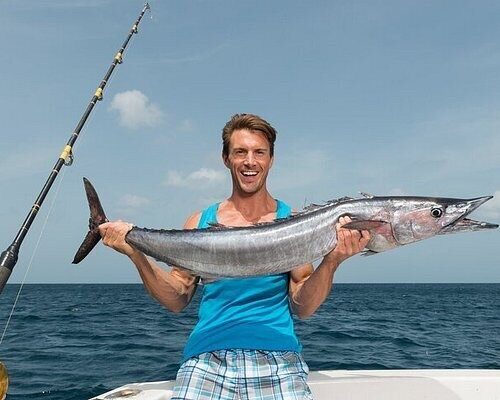
This is a charter based activity rather than a per person excursion, which changes the economics considerably. A group of four splits the same boat cost as a solo angler pays alone.
Where the Charters Leave From
Nungwi at the northern tip is the main base and the reason is geography: it sits closest to the drop off where the shallow shelf falls away into deep water. Most of the established sport fishing fleet operates from here, and the grounds worked on a half day trip include Leven Bank a few miles north, the Zanzibar Channel and the water off the northeast coast.
Kendwa nearby serves the same waters and some operators launch from there.
Stone Town charters work the channel and the western sites, and suit anyone based in the old town who does not want the drive north.
Kizimkazi in the south has local operators, some combining fishing with dolphin trips, which is a more informal proposition than the northern sport fishing fleet.
Charter prices are per boat, not per person. If you are two people, ask whether the operator will pair you with another group, which halves the cost and is common practice.
What You Can Catch and When
The species calendar here follows the monsoons, and it matters if you have a target in mind.
Yellowfin tuna peak around August to October and are the most consistently caught big fish. Wahoo run year round with a peak from roughly October to February. Dorado, also called mahi mahi, come through from around December to April.
Marlin and sailfish are the trophy species. Blue and black marlin are found around August to October, striped marlin from November through to March, and sailfish are caught year round with stronger periods in the southern summer. Broadly, tuna season peaks August to October and the billfish season runs November to March.
Alongside those come giant trevally, kingfish, barracuda, Spanish mackerel and reef species. Big game grounds further out include the Pemba Channel, famous for sailfish and giant trevally, and Latham Island, a remote outcrop southeast of Unguja with deep drop offs.
Half Day Against Full Day Charters
The choice is not simply about stamina.
A half day charter of around five hours works the closer grounds off Nungwi and suits beginners, families and anyone wanting a taste rather than a campaign. Morning slots typically run about half past six to half past eleven, afternoons around half past one to half past six. Soft drinks are usually included.
A full day charter of eight hours reaches further offshore, which is what you need for marlin and sailfish. Lunch is normally included, and the extra hours matter because trolling for billfish is a numbers game measured in water covered rather than lines dropped.
Longer options exist. Twelve hour day or night charters, overnight trips, and multi day liveaboard safaris running the Pemba Channel and Latham Island with accommodation aboard.
What a Charter Includes and What to Check
Standard inclusions across established operators are the full charter of the boat, skipper and crew, bait, tackle and equipment hire, plus soft drinks on half days and lunch on full days.
Boats in the northern fleet are purpose built sport fishing vessels with fighting chairs, outriggers, GPS and fish finders, running trolling gear from recognised brands with reels in the thirty to eighty pound class. Some carry cabins, a cooker and a fridge for overnight work.
Questions worth asking before you pay: how many anglers the boat takes on the deck compared with total passenger capacity, whether fuel is included, what happens if weather cancels the day, and what the deposit and balance arrangement is. Several operators take a twenty percent deposit with the balance paid on the day.
No personal fishing licence is required for visitors joining a charter. The operator covers the permits, and shore or hand line fishing for personal use is usually allowed without one.
Nungwi exists where it does because the deep water is close. That is why the fishing fleet is there and why the crossing to the grounds is short.
Catch and Release and Fishing Responsibly
Practice varies by operator and it is worth raising before you book rather than discovering it at sea.
Most established charters here operate catch and release on billfish and sharks at the skipper’s discretion, keeping edible species such as tuna, wahoo and dorado. Barbless hooks and careful handling improve survival rates on released fish considerably, and undersized fish should go back regardless of species.
Ask what happens to what you keep. Many operators will fillet a catch for you, and hotels and restaurants along the beach will cook it. That is a considerably better outcome than a photograph and a fish that goes to waste.
Regulations and restrictions vary by species, so a skipper who knows the current position is worth more than one who does not.
Conditions, Seasickness and Who This Suits
The water past the drop off is open ocean, and it behaves like it.
Seas are calmest during the dry months from June to October and again in February. January can bring rough water and strong winds, which usually settle by February. During the long rains from March to May conditions are the least reliable of the year.
Anyone prone to seasickness should take a half day rather than a full one, sit where the motion is least, and take medication before boarding rather than after symptoms start. There is no turning back early on a chartered boat without the rest of the group agreeing.
Beyond that, the activity suits complete beginners as readily as experienced anglers. Crews rig everything, and trolling requires you to take the rod when a reel screams rather than to cast anything. Families and corporate groups are common on day charters.
Local Fishing Trips as an Alternative
Charter prices put big game fishing out of reach for a lot of visitors, and there is a considerably cheaper and arguably more interesting alternative.
Village fishermen along the coast take visitors out on ngalawa, the traditional outrigger canoes, and on small wooden boats, using hand lines and simple rods rather than trolling gear. You will catch reef fish, trevally, snapper and barracuda rather than marlin, and you will see how fishing here actually works.
These trips are arranged directly on the beach, most readily at Jambiani, Paje, Matemwe, Michamvi and Kizimkazi, and cost a small fraction of a charter. Money goes straight to the fisherman rather than through an operator.
Shore fishing is also open to anyone, from beaches, reefs and piers, with villagers often renting simple rods or lending a hand line. No licence is needed for personal use.
For families and casual anglers this is frequently the better day out. For anyone chasing a billfish, it is not, and the northern charter fleet is the only realistic route.
What to Bring on a Fishing Charter
Sun protection above all. Eight hours on open water with reflection off the surface. A rash vest or long sleeves, a hat that will not blow off, sunglasses and reef safe sun cream.
Seasickness tablets. Taken before departure. The deep water is not the sheltered channel, and the motion catches out people who are fine on a snorkelling boat.
Soft soled shoes or bare feet. Deck etiquette on a sport fishing boat, and hard soles mark the deck.
A light layer. Early morning departures are cool on the water before the sun gets up.
A dry bag. Spray is constant and cameras do not survive it.
Cash for the crew. Tipping the skipper and deckhands is customary and separate from the charter fee.
Frequently Asked Questions About Deep Sea Fishing in Zanzibar
How much does deep sea fishing cost in Zanzibar?
Charters are priced per boat rather than per person. Half day trips of about five hours have been listed at around $540 and full days of eight hours at around $740 on smaller vessels, while larger sport fishing yachts run considerably higher, with day charters quoted from roughly $1,300 to $2,000 depending on the boat and duration. Rates typically include boat, skipper, crew, bait, tackle and equipment, plus lunch on full days.
When is the best time for fishing in Zanzibar?
August to October is the peak for yellowfin tuna, with blue and black marlin also running in that window. Striped marlin appear from November to March, and sailfish can be caught year round with stronger periods over the southern summer. Wahoo runs all year peaking around October to February, and dorado from December to April. Seas are calmest June to October and in February.
Where do fishing charters leave from?
Mainly Nungwi on the northern tip, which sits closest to the drop off into deep water and hosts most of the sport fishing fleet. Kendwa nearby serves the same grounds. Charters also operate from Stone Town, working the channel and western sites, and from Kizimkazi in the south, where some local operators combine fishing with dolphin trips.
Do you need a fishing licence in Zanzibar?
Not as a visitor joining a charter. The operator covers the permits. Shore and hand line fishing for personal use is usually allowed without a licence. Commercial or large scale fishing requires government permits. Regulations and restrictions do vary by species, so a skipper who knows the current position is worth having.
Is deep sea fishing suitable for beginners?
Yes. Crews rig everything, and trolling asks you to take the rod when a reel runs rather than to cast. Families, novices and corporate groups are common on day charters. The main obstacle is seasickness, since the water past the drop off is open ocean, so take a half day first and take medication before boarding rather than after.
Can you keep or eat what you catch?
Usually yes for edible species such as tuna, wahoo and dorado, while most established operators release billfish and sharks at the skipper’s discretion. Ask about the boat’s policy before booking. Many crews will fillet your catch, and hotels and restaurants along the beach will cook it for you, which is a better outcome than a photograph and a wasted fish.
Charter quality on this coast ranges from purpose built sport fishing vessels to boats that simply have rods on them, and the price does not always tell you which you are getting. Holidays To Zanzibar books with established Nungwi operators, will pair smaller groups to split a charter, and states what is included before any deposit changes hands.
For a day on the water matched to the season and to what you actually want to catch, contact Holidays To Zanzibar and a real person will reply.