The foods to try in Zanzibar are urojo soup, pweza wa nazi octopus coconut curry, pilau, biryani, Zanzibar pizza, mishkaki skewers, vitumbua rice cakes and mandazi. Most can be eaten in one evening at the Forodhani Gardens night market in Stone Town. Zanzibari cuisine is Swahili food built on centuries of Indian Ocean trade, blending African, Arab, Persian and Indian influences with local seafood and spice.
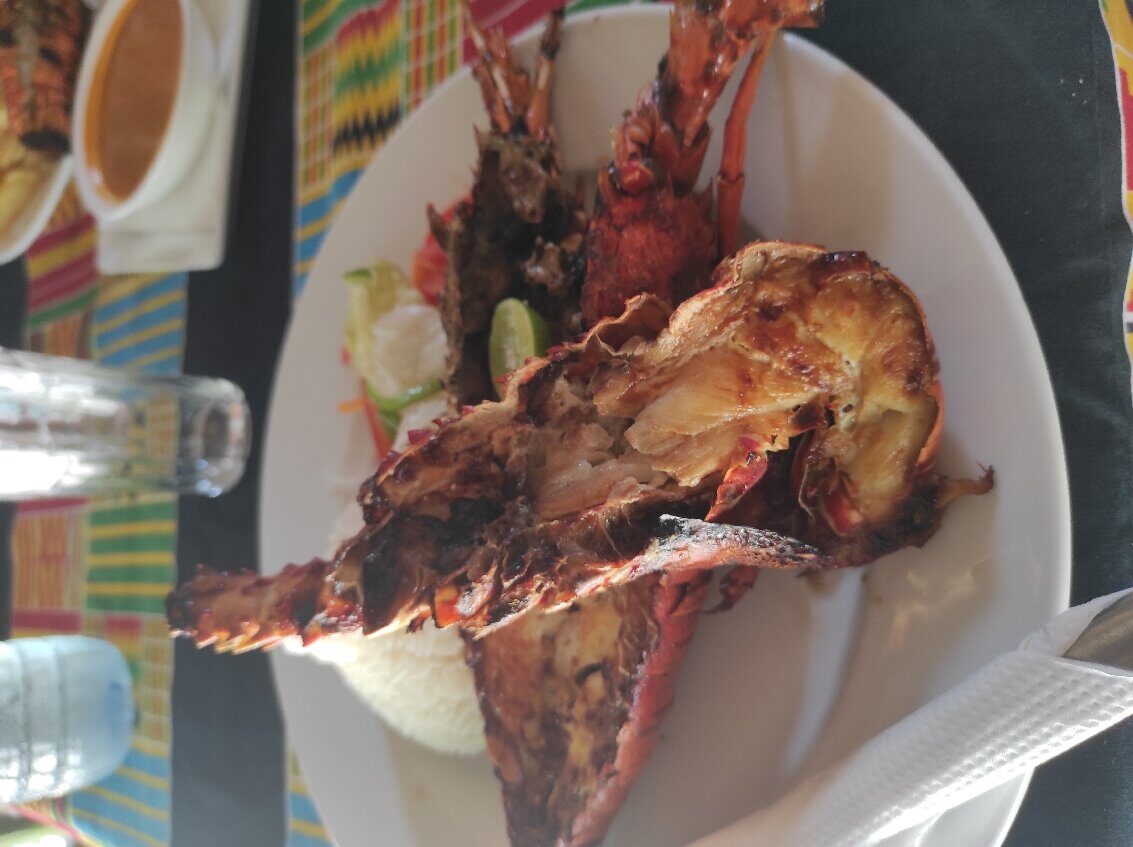
The single best move on a first trip is an evening at Forodhani followed by a lunch at a local restaurant in the old town. Between them you cover almost everything below.
Urojo, the Soup Everyone Walks Past
Also sold as Zanzibar mix, and the dish most worth ordering and least likely to be ordered by visitors.
It is a thick turmeric coloured soup, tangy with tamarind and lime, poured over a bowl of boiled potato, cassava chips, crisp bhajia fritters made from chickpea flour, sometimes lentils or mango, a boiled egg and often a few pieces of grilled meat. Chilli and coconut chutneys go over the top.
The result is sour, spicy, creamy and crunchy at once, which sounds unlikely and works. Locals eat it in the late afternoon and evening. Vegetarians can ask for it without meat and lose nothing important.
Find it at Forodhani Gardens and at street stalls across Stone Town for very little money.
Order the food you cannot pronounce. The dishes with English names on a menu are almost always the ones adapted for visitors, and they are rarely the better plate.
Seafood and the Coconut Curries of a Swahili Food Tour
Seafood dominates the table here, and coconut is what distinguishes it from anywhere else on a Swahili food tour.
Pweza wa nazi, octopus slow cooked in a spiced coconut curry until tender, is the island’s signature dish and the one to order if you order only one. Samaki wa kupaka is fish, often kingfish, marinated in coconut and spice and then grilled. Kuku wa nazi, chicken in coconut sauce, is the home style staple version of the same idea.
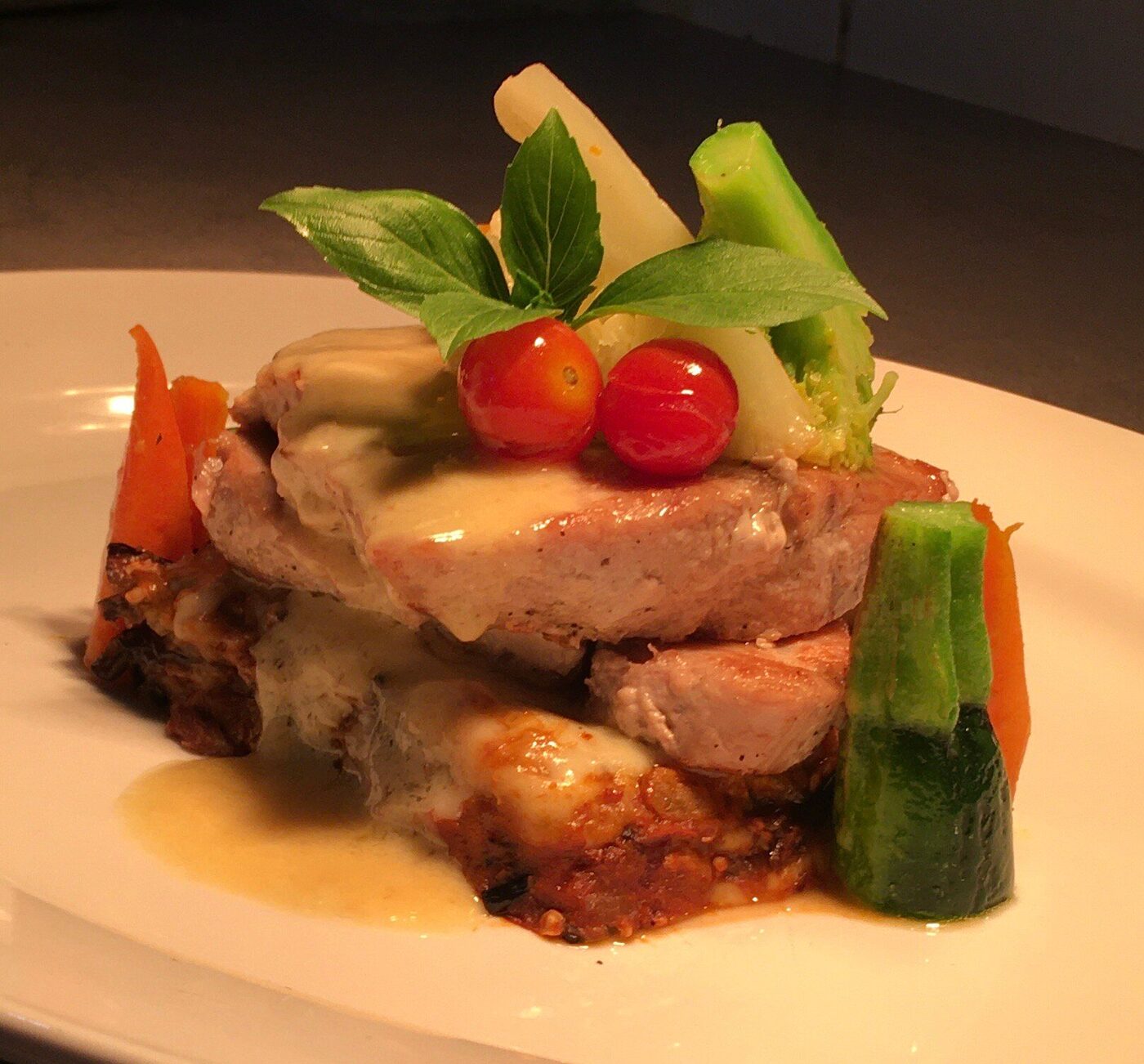
Beyond the curries, the grills carry kingfish, tuna, red snapper, calamari, prawns and lobster, usually caught that morning. Coconut crab curry appears in some places.
Fresh coconut milk is made by grating the flesh and pressing it by hand rather than pouring it from a tin, which is why the sauces taste different here. Any cooking class on the island will teach you to do it.
Pilau and Biryani: The Rice Dishes of Zanzibar
Two spiced rice dishes anchor Zanzibari cooking, and they are not the same thing.
Pilau is rice cooked in a spiced broth with the meat, so everything takes on the same colour and flavour. Cardamom, cloves, cinnamon and cumin do the work, with beef, chicken or goat, potato, onion and sometimes raisins. It is aromatic rather than hot, slightly sweet, and it is what gets cooked for celebrations.
Biryani came with Indian traders and evolved into its own island version. The rice is cooked separately from a rich spiced curry, then layered and slow cooked together, so you get distinct textures rather than a single blended dish. Goat and fish versions are common.
The best of both are found in family run local restaurants rather than in hotels. Lukmaan on Mkunazini Street in Stone Town is the name locals give when asked, and it is where you go for the everyday version at everyday prices.
Zanzibar Pizza and the Street Food at Forodhani
Zanzibar pizza bears no relation to anything Italian. A ball of thin dough is flattened, filled with minced meat, egg, onion, vegetables and processed cheese, folded into a parcel and fried flat on an oiled griddle until crisp, then cut into squares and eaten by hand. Sweet versions with banana and chocolate follow as dessert.
Mishkaki are charcoal grilled meat skewers marinated in spice, sold everywhere and eaten standing up. Viazi karai are deep fried potato in batter, and chipsi mayai is a chips and omelette hybrid that is exactly as good and as unhealthy as it sounds.
All of it is at Forodhani Gardens from around six in the evening. Choose stalls with visible turnover, ask for seafood grilled fresh rather than taking what has been sitting under a lamp, and agree the price before it goes on the charcoal.
Breakfast, Snacks and Sweet Things on a Zanzibar Food Tour
Vitumbua. Small rice and coconut pancakes, slightly sweet, cooked in a dimpled pan and eaten for breakfast or with afternoon tea. Sold by women on Stone Town streets in the mornings.
Mandazi. Swahili doughnuts, lightly sweet and often scented with cardamom or coconut, eaten with tea at any hour. Darajani Market sells them at breakfast for almost nothing.
Chapati. Unleavened flatbread served alongside curries and stews, and a staple of every local kitchen on the island.
Halwa. A dense, sticky sweet flavoured with cardamom and rosewater, sold in blocks and reflecting the Omani side of the island’s history.
Maharage ya nazi and wali wa nazi. Beans in coconut milk and coconut rice, the everyday home cooking of the island and a reminder that Swahili food has plenty for vegetarians.
Samosas. Sold at Darajani Market and street stalls, another Indian arrival that became local, and one of the cheapest good things to eat here.
Drinks: Sugarcane Juice, Tangawizi Tea and Spiced Coffee
Sugarcane juice is the Forodhani signature. Whole canes are fed through a hand cranked press with a knot of ginger and a wedge of lime, and the result is sweet and sharp together. Watch the press being rinsed and skip the ice if you are unsure of the source.
Tangawizi tea is strong ginger spiced tea, drunk in the evening and pairing well with mandazi. Zanzibar coffee, poured from a long spouted pot by vendors working the squares of the old town, comes in tiny cups and is worth stopping for.
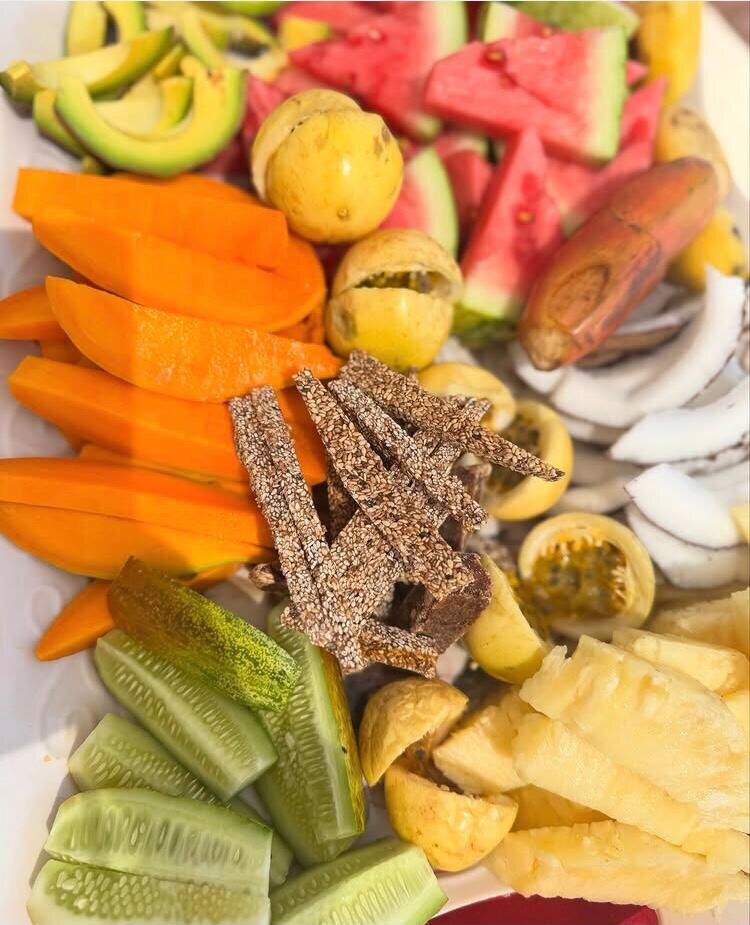
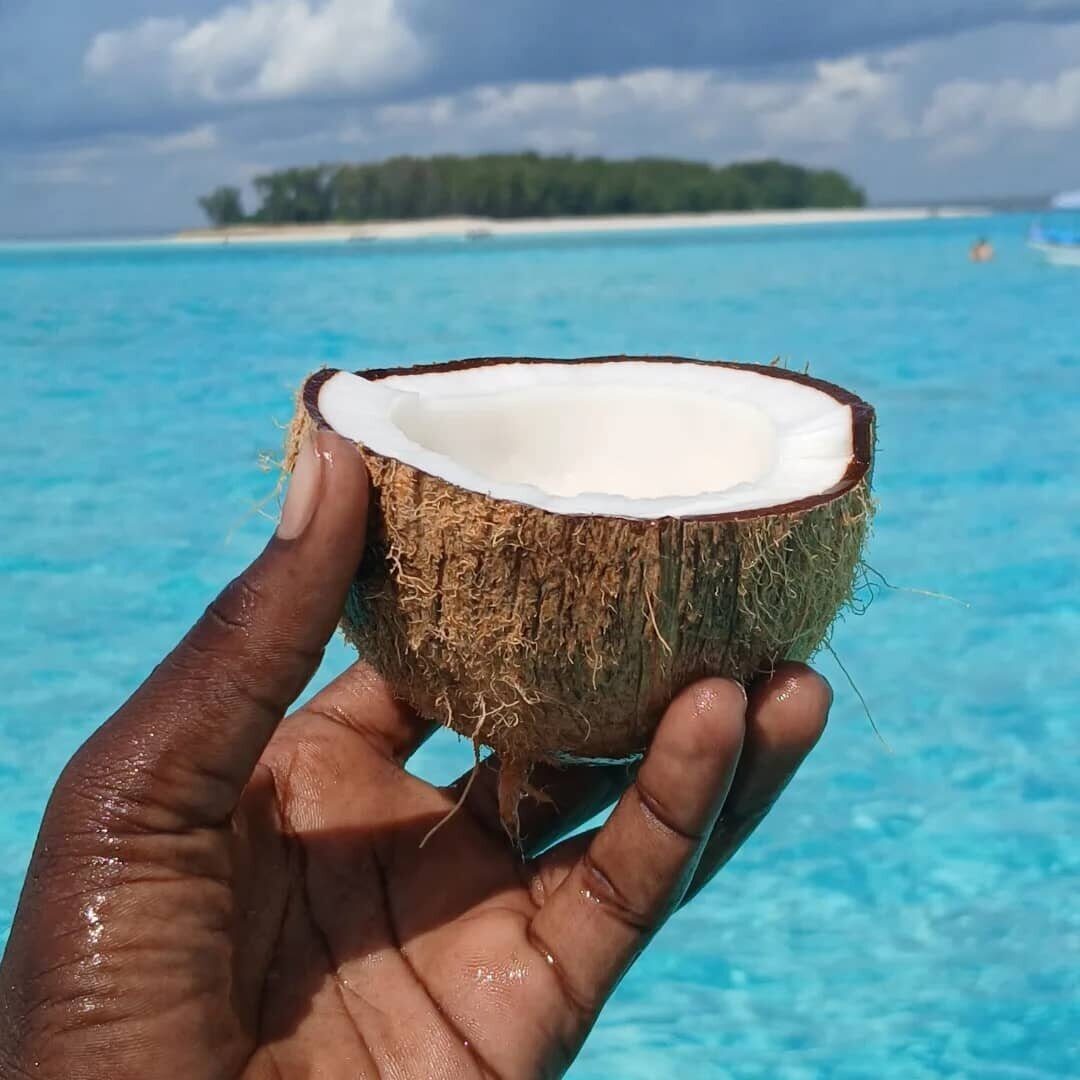
Fresh juices are everywhere: mango, passionfruit, tamarind and watermelon, with mango at its best around April and December. Fresh coconuts are hacked open in front of you for the water, then split so you can scrape the flesh afterwards.
Alcohol is available at resorts and tourist restaurants and carries a marked premium. Public drinking is not appropriate in a predominantly Muslim setting.
Every dish on this island arrived with somebody’s boat and then became Zanzibari. That is not a weakness of the cuisine, it is the whole of it.
Where to Eat: Markets, Local Restaurants and Cooking Classes
Forodhani Gardens in Stone Town is the flagship, opening nightly around six with dozens of vendors, and the single best place to sample several dishes in one evening.
Darajani Market is where locals shop for raw ingredients, chaotic and far less set up for visitors, with prepared food stalls serving excellent samosas, mandazi and pilau at the lowest prices on the island. Go between seven and ten in the morning.
Local restaurants in the old town serve the everyday versions of pilau, biryani, fish curry and coconut beans. These are where the food is best and cheapest.
Cooking classes run at spice farms and at the Kuza Cave culture centre near Jambiani, teaching coconut milk, spice blending and curry from the base up. It is the most useful souvenir available here, because you can make it again at home.
Eating Safely and Comfortably in Zanzibar
Street food here is safe with ordinary judgement. Choose stalls with high turnover, watch your food cooked in front of you, and skip anything sitting warm and uncovered. Stomach trouble is usually traceable to ice or unwashed salad rather than the grill.
Tap water is not for drinking. Refill from large supermarket jugs rather than buying small bottles at beach bars, and remember plastic bags have been banned on Zanzibar since 2019.
Vegetarians do better here than most people expect, since Swahili home cooking leans heavily on coconut, beans, rice, lentils and vegetables. Say so when ordering, since the default at seafood grills is obvious.
During Ramadan many local restaurants close during daylight. Resorts operate normally, and eating openly in the street during the day is inconsiderate.
Frequently Asked Questions About Zanzibar Food
How much does food cost in Zanzibar?
Very little outside resorts. At Forodhani night market, Zanzibar pizza runs about $2 to $4, seafood skewers $2 to $5 each and a bowl of urojo $1 to $2, with a full dinner around $6 to $12 per person. Local restaurants charge roughly $3 to $5 for pilau and $4 to $6 for biryani. A fresh juice costs $1 to $2. Higher end tasting menus in Stone Town run $30 to $40, and mains at The Rock restaurant $15 to $30.
What is the most famous dish in Zanzibar?
Pweza wa nazi, octopus slow cooked in spiced coconut curry, is the island’s signature. Urojo soup and Zanzibar pizza are the best known street foods, and pilau is the celebratory rice dish cooked in most homes. If you eat only one thing here, make it the octopus curry.
Is Zanzibar food spicy?
Aromatic more than hot. Cloves, cardamom, cinnamon, cumin and turmeric do most of the work, giving fragrance rather than heat. Chilli appears in chutneys and in urojo, and levels vary by cook, so you can usually ask for less. Pilau in particular is spiced but mild.
Is street food safe to eat in Zanzibar?
Broadly yes, with sensible precautions. Choose busy stalls with high turnover, ask for seafood grilled fresh rather than taking what has been sitting out, and be cautious with ice and uncooked salad. Tap water is not drinkable. Most problems trace back to water rather than to the food itself.
Where is the best place to eat in Zanzibar?
Forodhani Gardens night market in Stone Town for variety in one evening, opening around six. Local restaurants in the old quarter for the best pilau and biryani at local prices. Darajani Market in the morning for samosas, mandazi and the cheapest food on the island. Beachfront restaurants at Nungwi, Kendwa and Paje for grilled seafood with a view at higher prices.
Is there good vegetarian food in Zanzibar?
Yes, better than most visitors expect. Swahili home cooking uses coconut, beans, lentils, rice and vegetables heavily. Maharage ya nazi, beans in coconut milk, and wali wa nazi, coconut rice, are staples, and urojo can be ordered without meat. Vitumbua, mandazi, chapati and samosas are all vegetarian. Say so when ordering at seafood grills.
Food is one of the strongest arguments for not booking an all inclusive on this island, and the best meals here are rarely the ones a hotel steers you towards. Holidays To Zanzibar runs Stone Town evenings built around the market and the local restaurants, with guides who eat in these places themselves rather than pointing at them from across the road.
For a food led evening in the old town, or a cooking class arranged properly, contact Holidays To Zanzibar and a real person will reply.