Darajani Market is the main produce and spice market of Zanzibar City, sitting on Creek Road at the eastern edge of Stone Town and trading every morning from first light. Visitors can walk in freely or add it to a guided Stone Town tour. It is where the island actually shops, and where the spice trade that gave Zanzibar its old name still operates at street level.
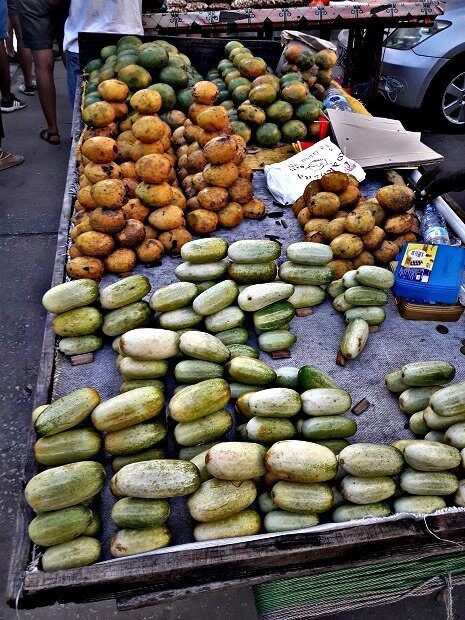
It is loud, close, and not organised for your convenience. Go anyway. Half an hour here tells you more about how the island works than a week in a resort.
What a Darajani Market Tour Involves
A Darajani Market tour usually runs thirty to forty five minutes as part of a wider Stone Town walk. The market spreads through a covered hall and out into the surrounding streets, with sections that have grown into each other over time rather than being planned.
You enter from Creek Road and immediately lose any sense of a layout. Produce stalls stack mangoes, jackfruit, breadfruit, cassava, tomatoes and green bananas in pyramids. Further in, the spice sellers work from open sacks. Beyond them come the butchers, the fish hall and the dry goods traders selling rice, beans and flour by the scoop.
Nothing here is arranged for photographs and most vendors are working rather than performing. Ask before pointing a camera at anyone, and expect a reasonable number of people to say no.
Come before nine in the morning. The produce is at its best, the covered sections have not yet turned into an oven, and the fish hall is still being restocked rather than winding down.
Spice Stalls and the Zanzibar Spice Trade at Darajani
The spice section is the reason most visitors come, and it is the direct descendant of the trade that built this town. Cloves above all, since Zanzibar dominated world clove production through the 19th century and the plantations still work. Alongside them sit cardamom, nutmeg with its red mace still wrapped around the shell, cinnamon bark, black pepper, turmeric, ginger, star anise and vanilla pods.
Everything is sold loose by weight from open sacks, and vendors will crush a leaf or split a pod for you to smell. That is genuine, not a routine for tourists; it is how spices are sold to locals as well.
Quality varies. Whole spices keep far better than ground ones, and cinnamon sold here is usually cassia bark rather than true Ceylon cinnamon, which is worth knowing if you are buying seriously. Vanilla pods should be pliable rather than brittle.
Ask what is in season and you will get a straight answer. Cloves are harvested twice a year, and the difference between a bag bought soon after harvest and one that has sat in a sack through a rainy season is obvious once someone points it out. The colour should be deep brown rather than grey, and the oil should still be strong enough to smell from an arm’s length away.
Many visitors combine the market with a spice farm tour inland, which shows the same plants growing. Doing the farm first and the market second makes the market far more interesting, because you know what you are looking at.
The Fish Hall and Meat Section on a Darajani Market Tour
The fish hall sits at the back and it is not for everyone. Tuna, kingfish, snapper, octopus, squid, prawns and reef fish are laid out on concrete slabs, sold whole, gutted on request, with the day’s catch coming in from the harbour a few streets away. Ice is limited and the smell in the covered section by late morning is considerable.
It is also the most honest thing in Stone Town. Every octopus curry and every grilled kingfish skewer you eat this week passed through a room like this one first.
The meat section beside it operates the same way, with carcasses hung in the open. If either bothers you, walk the produce and spice sections and skip the back of the hall. Nobody will mind.
Darajani is not a heritage attraction that happens to sell food. It is a working market that happens to sit inside a World Heritage Site.
Bargaining, Prices and Buying Spices at the Market
Prices are negotiable and the first quote given to a visitor is not the local one. That is normal across the region and it is not personal. A reasonable rule is to settle somewhere between half and two thirds of the opening figure, done pleasantly and without a long standoff.
Small denomination Tanzanian shillings are what you want. Dollars are taken at some stalls at a rate that favours the seller, and nobody has change for large notes early in the day.
Pre packed spice gift boxes are sold around the entrances and in the tourist shops nearby. They cost several times what the same spices cost by weight thirty metres inside the market, and the contents are usually older. Buy loose and bag it yourself.
Zanzibar has banned plastic bags since 2019, so bring something to carry purchases in.
Souvenirs, Fabric and Everyday Goods at Darajani
Beyond the food, the market and the streets around it sell everything a household needs. Khanga and kitenge fabric in printed lengths, kofia caps, sandals, plastic buckets, phone accessories, secondhand clothing, hardware and cooking pots.
Khanga is worth a moment. The printed cotton wraps carry a Swahili proverb along one edge, chosen deliberately by whoever buys it, so the message matters as much as the pattern. Ask a stallholder to translate before you choose one. They will, and it usually generates a conversation.
Carved wooden goods and painted canvases are sold here too, though the Old Fort courtyard and the shops in the lanes carry better quality work at a gentler pace.
Combining Darajani With a Stone Town Walking Tour
The market sits at the eastern boundary of the old quarter on Creek Road, which historically was the line between Stone Town and the newer Ng’ambo district. That division mattered. Stone Town held the merchants, the palaces and the trading houses; Ng’ambo, meaning the other side, held most of the working population. The market grew along the seam between them and has served both ever since, which is part of why it still feels like the town’s common ground rather than a visitor attraction.
Most Stone Town walking tours reach it after the seafront and the cathedral.
The natural circuit is the Old Fort and the House of Wonders exterior on the waterfront, inland to the Anglican Cathedral and slave market chambers at Mkunazini, then a few minutes further east to Darajani, then back through the lanes to Forodhani Gardens for the evening food market. Two to three hours on foot covers it.
Guided food tours of Stone Town also start here, walking the market to explain ingredients before tasting the dishes they end up in.
Staying Safe and Comfortable at Darajani Market
The market is safe in daylight with normal city precautions. Pickpocketing in the tightest corridors is the main risk, so carry a bag closed and in front of you rather than on your back, and leave anything valuable at your accommodation.
Unofficial guides attach themselves to visitors at the entrances and expect payment afterwards. If you want a guide, agree it and the price up front; if you do not, a clear and friendly no is enough.
Cover shoulders and knees. This is a working market in a predominantly Muslim town, not a beach. Closed shoes are sensible, since the floors are wet in places and uneven throughout.
Getting to Darajani Market and Opening Hours
Darajani sits on Creek Road in Zanzibar City on Unguja island, a walk of roughly ten to fifteen minutes east from the Old Fort through the lanes, or a short taxi ride from anywhere else in town. The airport is around twenty minutes away by road.
Trading runs daily from early morning, roughly six or seven, until late afternoon, with the produce and fish at their best in the first few hours. Fridays see a pause around midday prayers, when many stalls close briefly. During the long rains of April and May the covered hall stays open, but the surrounding street stalls thin out considerably.
Frequently Asked Questions About Darajani Market
Eating at the Market
Tucked among the stalls are prepared-food vendors serving samosas, mandazi, pilau and ugali with stew at the lowest prices on the island. They are used almost entirely by locals and are at their best between seven and ten in the morning, when everything is freshly made.
Seasonal fruit is worth timing, with mangoes at their best around April and again in December. Prices are keen but not fixed, and buying several things from one seller rather than spreading your custom usually earns a better rate. Bring cash in small notes, since cards are not accepted anywhere in the market.
How much does it cost to visit Darajani Market?
Entry is free. What you spend depends on what you buy. Loose spices sold by weight run roughly $1 to $3 for a decent bag of cloves, cardamom or cinnamon, while the pre packed gift boxes near the entrances cost $10 to $20 for less product. Fruit costs a dollar or two. Guided Stone Town walking tours including the market typically run $20 to $40 per person, and dedicated street food tours around $30 to $50.
What time does Darajani Market open?
Stalls start trading from around six or seven in the morning and continue into the late afternoon, seven days a week. Arrive before nine for the best produce and the coolest conditions inside the covered hall. Many traders pause around Friday midday prayers.
Is Darajani Market worth visiting?
Yes, if you want to see how Zanzibar City functions rather than how it presents itself to visitors. The spice section alone justifies the walk, and it is free. It is intense, crowded and hot, so half an hour is enough for most people, and the fish hall is genuinely confronting for some.
Should you buy spices at Darajani or at a spice farm?
The market is cheaper by weight and has far more range. Spice farms sell smaller quantities at higher prices, though what they offer is often fresher and the tour itself is the point rather than the shopping. Buy whole spices instead of ground ones wherever you buy, since they keep considerably longer.
Can you take photographs at Darajani Market?
Of produce and stalls, usually yes. Of people, ask first. This is a working market and many vendors object to being photographed while they work, particularly in the meat and fish sections. Some will agree and then ask for a small payment, which is a fair enough transaction if you accept it up front.
Is Darajani Market safe?
Safe in daylight with sensible precautions. Pickpocketing in crowded corridors is the main concern, so keep bags closed and in front of you. Unofficial guides at the entrances are persistent but not threatening. Avoid the area after dark, when the market closes and the surrounding streets empty out.
Darajani makes far more sense with someone who can name what is in the sacks and tell you what it costs locally. Holidays To Zanzibar runs Stone Town walks with Zanzibari guides who shop in this market themselves, and they will handle the introductions without turning the visit into a shopping trip you did not ask for.
For a guided morning through the old quarter and the market, or advice on pairing it with a spice farm visit, get in touch with Holidays To Zanzibar and someone on the island will reply.