A cooking class in Zanzibar runs two to three hours and teaches the foundations of Swahili cooking: pressing fresh coconut milk by hand, blending a spice mix from whole spices, and building a coconut curry from that base. Classes run at spice farms, at the Kuza Cave culture centre near Jambiani and in Stone Town homes. Booking a day or two ahead is usually required.
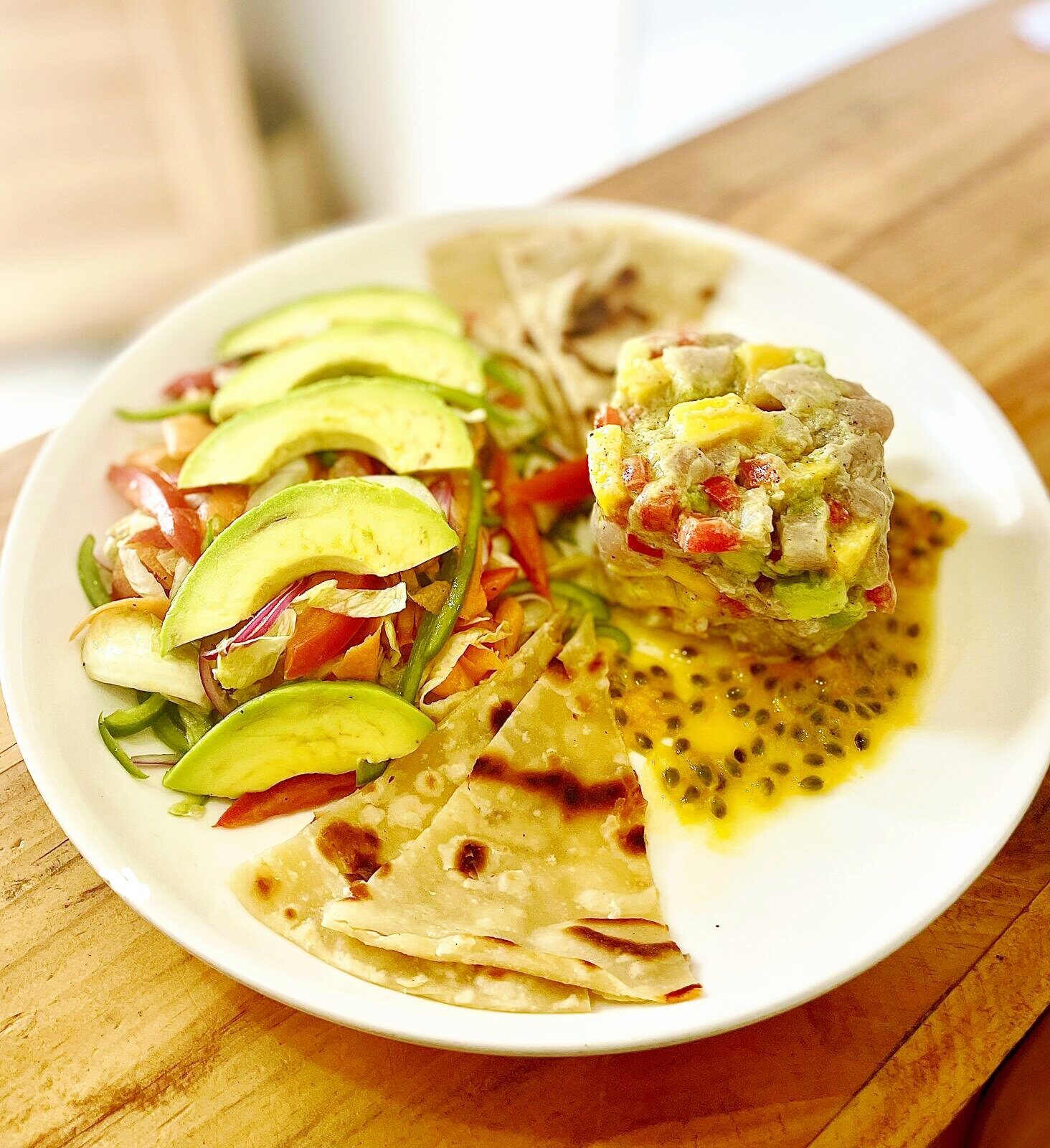
It is the most useful thing you can bring home from this island, because unlike a bag of cloves you can actually use it again.
What You Learn in a Zanzibar Cooking Class
The syllabus is consistent wherever you take one, because the techniques underneath Swahili cooking are consistent.
Coconut milk is the first thing and the most important. You grate the flesh of a fresh coconut on a mbuzi, the traditional low stool with a serrated blade, then press the gratings with water by hand to draw out the milk. First pressing is thick, second is thin, and knowing which goes into which stage of a curry is most of the lesson.
Spice blending comes next. Whole cloves, cardamom, cinnamon, cumin, black pepper and turmeric ground together rather than shaken from a jar, in proportions that vary by dish and by household.
The curry itself is built from that base, usually a fish or vegetable coconut curry, and often alongside a rice dish such as pilau and a chapati or two.
You cook rather than watch, and you eat what you made at the end, which is the point.
Say in advance if anyone is vegetarian or has an allergy. The default menu is fish or chicken, and ingredients are bought fresh that morning rather than held in stock.
Where to Take a Class
Spice farms. The most common option, added onto a spice farm tour so you walk past the plants first and then cook with them. Combined tour and class packages run around three hours. Practical on a transfer day between Stone Town and either coast.
Kuza Cave culture centre, near Jambiani. Classes run alongside the cave and the swimming pool, taught by resident staff. Good for anyone based on the east coast, and it turns a half hour swim into a half day.
Stone Town homes and small operators. Classes in family kitchens or small cookery schools in the old quarter, often starting with a market walk to buy ingredients. The strongest option if you want the shopping alongside the cooking.
Hotels and lodges. Several properties run classes for guests with their own kitchen staff. Convenient and usually the most expensive, and the least connected to how food is actually bought and cooked here.
Classes That Start at the Market
The version worth seeking out if you have the time.
Some Stone Town classes begin at Darajani Market, where you shop for the day’s ingredients with your teacher: fish from the hall at the back, produce from the stacks, whole spices sold loose by weight from open sacks.
That hour changes the class. You learn what things cost locally, how to tell fresh cloves from old ones, why cinnamon sold here is usually cassia bark rather than true Ceylon, and how much of a fish you should expect for the money. Then you cook what you bought.
Go early, before nine, when the produce is best and the covered halls have not yet become an oven. Cover shoulders and knees for the market, and bring a foldable bag, since plastic bags have been banned across Zanzibar since 2019.
The Dishes You Are Likely to Cook
Menus vary by teacher and by what looked good at the market, and a few dishes recur.
Coconut fish curry or pweza wa nazi, octopus in coconut curry, are the usual centrepieces, both built on the milk you pressed.
Pilau, rice cooked in a spiced broth with meat and potato, teaches the whole spice method better than anything else on the menu.
Chapati is the most useful thing to learn for home cooking, since it takes flour, water and technique rather than ingredients you cannot get.
Maharage ya nazi, beans in coconut milk, and wali wa nazi, coconut rice, are the vegetarian staples of Swahili home cooking and frequently included.
Sweets sometimes appear at the end: mandazi, the Swahili doughnut, or vitumbua, small rice and coconut pancakes cooked in a dimpled pan.
Anyone can carry cloves home. Knowing how to press coconut milk by hand is the souvenir that survives the first month.
What a Class Costs and What Is Included
Prices vary widely by setting, and what matters more is what is inside the figure.
Check whether the class includes ingredients, the meal you cook, drinks, transport and any entry fee to the site. Spice farm classes often bundle the farm tour, which is good value. Market based classes may charge the market shopping separately.
Ask about group size. Six people around one pot is a class; sixteen is a demonstration. Ask whether you cook or watch, since some listings describe a demonstration as a class.
Ask whether you receive recipes to take away, ideally written rather than photographed off a whiteboard. The better teachers hand these out as a matter of course.
The Ingredients and Why They Taste Different Here
Part of what a class teaches is why Zanzibari food does not taste the same when you make it at home from supermarket ingredients.
Coconut is the clearest example. Fresh grated flesh pressed by hand gives a milk with a texture and sweetness that tinned coconut milk does not have, and the difference in a curry is immediately obvious. Learning the technique matters more than any recipe.
Whole spices ground shortly before cooking carry oils that pre ground powders have long since lost. Cloves here should be deep brown rather than grey and strong enough to smell at arm’s length, and a teacher will show you how to tell.
Tamarind is used for sourness where other cuisines reach for lemon, sold as a block of pulp to be soaked and strained rather than a bottled concentrate.
Most cinnamon sold across this region is cassia bark rather than true Ceylon cinnamon, which is worth knowing if you plan to buy any to take home. Whole spices keep far longer than ground ones, wherever you buy them.
Practical Details Before You Book
Classes are hot work in a hot climate. Most run in the morning or late afternoon rather than through the middle of the day, and kitchens are frequently open sided or outdoors, which helps.
Wear something you do not mind getting turmeric on, since fresh turmeric root stains for days. Closed shoes are sensible in a working kitchen and required if the class starts with a market walk.
Bring a day or two of notice. Ingredients are bought fresh rather than kept in stock, so same day bookings are often refused, particularly for anything involving fish.
Cash in small notes, since most operators do not take cards, and something to carry recipes and any spices you buy at the end.
Cooking Swahili Food at Home Afterwards
The test of a class is whether anything survives the flight home, and a few things reliably do.
The coconut milk technique travels, provided you can find fresh coconuts, and the difference over tinned is large enough to be worth the effort for a special meal. A box grater works if you have no mbuzi stool.
The spice blend travels best of all. Buy the whole spices before you leave, either at the farm you cooked on or by weight at Darajani Market, and grind them at home as you need them rather than in one batch.
Chapati needs nothing but flour, water, oil and practice, and it is the single most useful thing most people take away.
Substitutions worth knowing. Tamarind block is sold in most Asian grocers and works far better than bottled concentrate. Fresh curry leaves freeze well. Firm white fish stands in for kingfish perfectly adequately, and octopus is more widely available frozen than people assume.
Fitting a Class Into Your Trip
Cooking classes work best on days you were not going to spend on the water.
On a transfer day between Stone Town and a beach, a combined spice farm tour and class fills an afternoon that would otherwise be spent in a car and a hotel lobby.
On a windless day if you are at Paje for kitesurfing, or a rainy afternoon during the short rains, a class is one of the few things on the island entirely unaffected by weather.
On the east coast, pairing a class at the Kuza Cave culture centre with the cave swim makes a natural half day, twenty minutes from Jozani Chwaka Bay National Park if you want to add the forest in the morning.
Frequently Asked Questions About Cooking Classes in Zanzibar
How much does a cooking class cost in Zanzibar?
Combined spice farm tour and cooking class packages run roughly $35 to $50 per person for around three hours including transport. Standalone classes at the Kuza Cave culture centre are priced separately from the $10 cave entry, and hotel run classes cost more. Check whether ingredients, the meal, drinks and transport are included before booking.
What do you learn in a Swahili cooking class?
Grating fresh coconut on a mbuzi stool and pressing it by hand for milk, blending whole spices into a Zanzibari mix rather than using pre ground jars, and building a coconut curry from that base. Most classes also cover a rice dish such as pilau and chapati, and you eat what you cook at the end.
Do you need to book a cooking class in advance?
Usually a day or two, since ingredients are bought fresh that morning rather than kept in stock, and same day requests are often refused for anything involving fish. Say at the time of booking if anyone is vegetarian or has an allergy, since the default menu is fish or chicken.
Where is the best place to take a cooking class?
A spice farm if you want to see the plants growing before cooking with them, which is the best value option and works well on a transfer day. Kuza Cave near Jambiani if you are based on the east coast. A Stone Town class that starts at Darajani Market if you want the shopping as well, which is the version that teaches most.
Are cooking classes suitable for children?
Mostly yes, and the hands on parts hold attention well, particularly grating coconut and shaping chapati. Kitchens involve charcoal, hot oil and knives, so classes suit older children better than very young ones. Ask the operator what they are comfortable with when booking.
Do you get recipes to take home?
From the better teachers, yes, and it is worth asking before booking. Written recipes travel considerably better than a photograph of a whiteboard. The core techniques, particularly pressing your own coconut milk and grinding whole spices, transfer to a home kitchen more easily than the ingredients do.
Cooking classes here vary from a genuine lesson in a working kitchen to a demonstration with a plate at the end, and the listings rarely distinguish between them. Holidays To Zanzibar books classes where you actually cook, in small groups, with teachers who send you away with recipes rather than photographs.
For a class built into a spice farm day or an east coast afternoon, contact Holidays To Zanzibar and a real person will reply.