The top reasons to visit Zanzibar are UNESCO listed Stone Town, white sand beaches with reefs offshore, the spice farms, an endemic primate found nowhere else, and the ease of combining it all with a mainland safari. Most visitors book a week split between the old town and one beach. Zanzibar is a semi autonomous Tanzanian archipelago in the Indian Ocean, historically known as the Spice Islands.
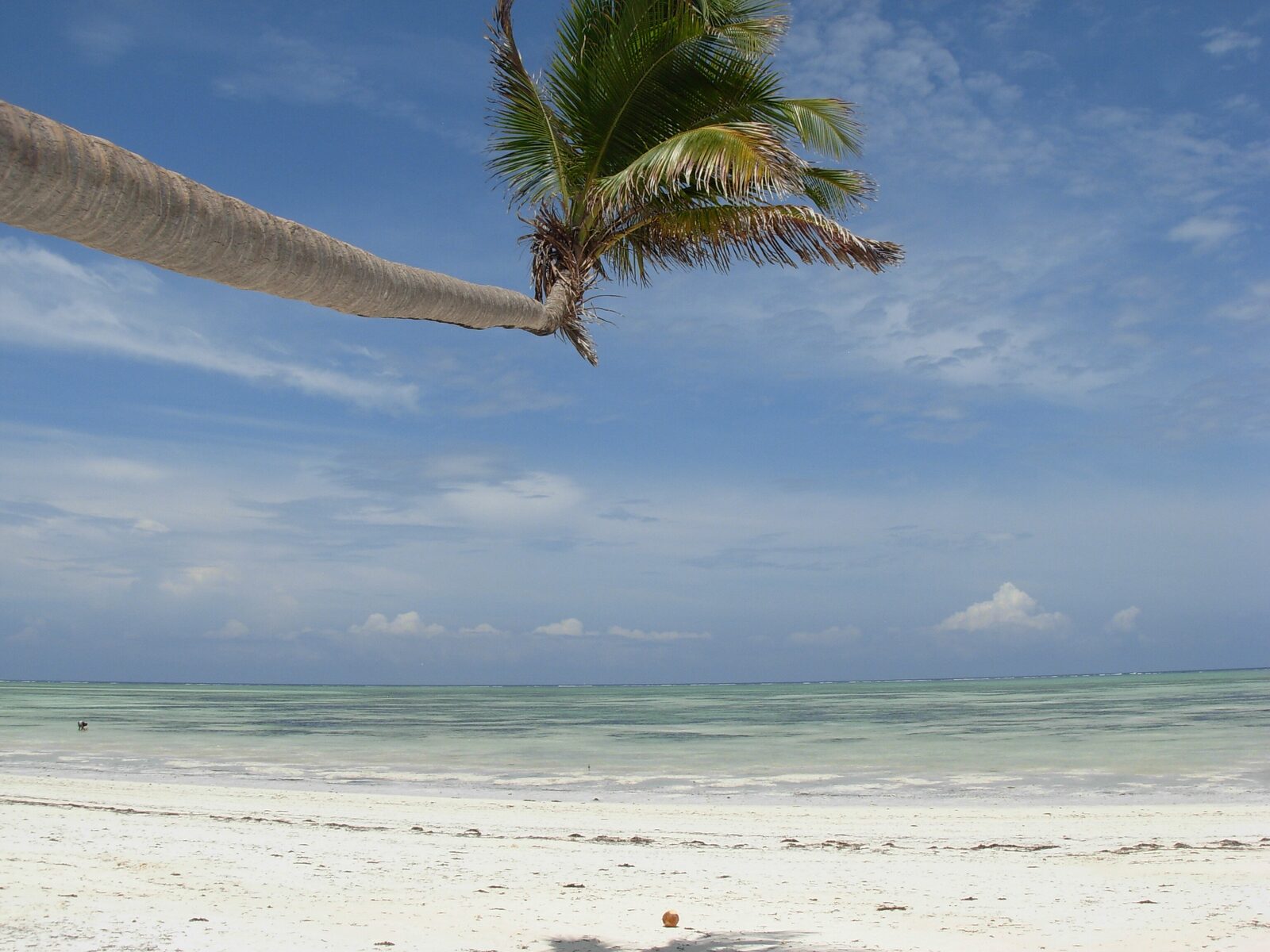
What separates it from other Indian Ocean beach destinations is that the island has a great deal going on that has nothing to do with the beach.
Stone Town and a Thousand Years of Trading History
The strongest reason, and the one most first time visitors underestimate.
The old coral stone quarter of Zanzibar City was inscribed on the UNESCO World Heritage List in 2000 as the most complete surviving Swahili coastal trading town. A Stone Town walking tour of two or three hours takes you through carved doors in Indian and Omani traditions, merchant houses of coral rag and lime, the Old Fort raised by the Omanis between 1698 and 1701, and the seafront palaces of the sultanate.
The layering is the point. Persian settlers, Portuguese ships, Omani sultans, Indian merchants and British administrators all left something here, and it is all visible in a morning on foot.
Most people arriving on the island treat the old town as an inconvenience between the airport and the coast road. Two nights here changes the trip entirely.
Put Stone Town at the start of your stay rather than the end. Squeezed into a rushed final day before a flight, it becomes the thing people most regret hurrying.
Beaches and Warm Water Every Month of the Year
The obvious reason, and it holds up.
Zanzibar’s coast runs to fine white coral sand and turquoise shallows across roughly two hundred kilometres of shoreline, with different coasts offering genuinely different experiences. Nungwi and Kendwa in the north swim at any hour. Paje has a flat lagoon and the trade winds that made it a kitesurfing centre. Jambiani and Bwejuu are quiet village beaches at a fraction of northern prices. Matemwe sits opposite the best reef on the island.
Sea temperatures rarely drop below twenty five degrees in any month, so no wetsuit is needed at any point in the year, and air temperatures vary by only about three degrees across the calendar.
The honest caveat: the east coast has extreme tides and a seaweed season from November to April. Neither ruins a holiday, and both are worth knowing before you book.
Reefs, Marine Life and Snorkelling Trips
Zanzibar’s waters hold over six hundred fish species and around fifty types of coral, which puts it well ahead of most Indian Ocean beach destinations for anyone who wants to be in the water rather than beside it.
Mnemba Atoll off the northeast coast is the headline site, reached in fifteen minutes from Matemwe, with angelfish, parrotfish, moray eels, lionfish and rays, and turtles seen regularly. Chumbe Island Coral Park in the southwest protects some of the healthiest coral in East Africa, closed to fishing since the 1990s with daily visitor numbers strictly capped.
For scuba, Pemba to the north offers wall sites regarded among the best in the region. Resident bottlenose dolphins live off Kizimkazi in the south, watched on dawn boat trips.
The Spice Farms and the Islands’ Trading Legacy
Zanzibar dominated world clove production through the nineteenth century, and the nickname stuck for good reason.
A spice farm tour walks a working smallholding while a guide crushes leaves, splits pods and digs up roots for you to smell and taste: cloves, nutmeg with its scarlet mace, cinnamon bark, cardamom, vanilla, turmeric, black pepper and lemongrass, alongside jackfruit, breadfruit and starfruit.
Almost none of it is native. Every plant on the tour arrived by boat with Omani, Indian or Portuguese traders, which makes the farms a map of the Indian Ocean trade routes planted in soil.
Two to three hours including transport, and among the best value half days on the island. Many farms add a Swahili lunch or a cooking class where you press your own coconut milk.
Very few beach destinations give you a UNESCO city, an endemic primate and a working spice economy within an hour’s drive of the sand.
Zanzibar Red Colobus Monkeys and Jozani Forest Tours
The island has one genuinely distinctive animal, and it is easy to see.
The Zanzibar red colobus is endemic to Unguja, classified as endangered and found nowhere else on earth. Habituated troops in Jozani Chwaka Bay National Park feed within a few metres of the main trail, so a sighting requires a flat forest walk rather than a trek.
The park also protects groundwater forest, coral rag thicket and mangrove around Chwaka Bay, with a raised boardwalk running out over the root system. Entry includes a ranger guide, and the whole visit takes one to two hours.
Arrive between eight and half past in the morning, when the monkeys feed at low level. By eleven they are asleep high in the canopy and the coaches have arrived.
Swahili Food and the Forodhani Night Market
The food is a stronger reason to come than most guides suggest, and it is one of the arguments against booking an all inclusive.
Swahili cuisine here draws on African, Arab, Persian and Indian traditions with local seafood and spice. Pweza wa nazi, octopus slow cooked in coconut curry, is the signature dish. Pilau and biryani anchor the rice cooking. Urojo, a tangy turmeric soup loaded with fritters and chutney, is the street food most visitors walk past and should not.
Forodhani Gardens on the Stone Town seafront turns into an open air food market every evening from around six, with charcoal grills, seafood skewers, sugarcane juice pressed by hand and Zanzibar pizza, a fried dough parcel that has nothing to do with Italy.
You can eat very well here for the price of a coffee at home.
Combining Zanzibar With a Mainland Tanzania Safari
This is the reason many trips resolve in Zanzibar’s favour before the beaches are even compared.
The island sits off mainland Tanzania, and light aircraft fly directly from Serengeti airstrips to Zanzibar. That turns a safari and beach trip into one itinerary rather than two holidays, and no other Indian Ocean island offers the same link.
The seasons align neatly. July to October gives the migration river crossings in the Serengeti alongside Zanzibar’s dry season, and late January to February pairs the calving season in the southern Serengeti with the island’s short dry window at lower prices.
Practically, put the beach second. Safari days start early and wear people out, and most visitors arriving from the mainland want to stop moving rather than sightsee.
An Island That Suits Almost Every Kind of Trip
The last reason is less romantic and it decides a lot of bookings: Zanzibar bends to fit the traveller rather than the other way round.
The same island in the same week works as a backpacking stop, a family beach holiday, a honeymoon, a scuba trip and a luxury villa stay. Accommodation runs from fan cooled village guesthouses to staffed private villas, and the gap between them is a fortyfold price range within one small island. Very few destinations offer that spread without the cheap end feeling like a compromise.
It also works at different speeds. You can fill every day with excursions or spend a week doing nothing but swimming and eating, and both are entirely normal here. Nothing needs booking months ahead except the capped sites and the peak weeks.
English is widely spoken in tourism, Swahili is the everyday language, and the island’s economy leans heavily on visitors, which makes people broadly welcoming and protective of them. For a first trip to East Africa, that combination of range and ease matters more than most of the sightseeing.
Value, Accessibility and What Zanzibar Costs Compared With Alternatives
A genuine budget tier. Family guesthouses and beach bungalows exist here at a level most Indian Ocean islands do not offer, particularly on the east coast at Jambiani and Bwejuu.
Cheap excursions. Spice farms, Stone Town walks, Jozani and boat trips to the sandbanks all cost a fraction of a single mainland safari day, and there are enough of them to fill a week.
Food outside the resorts. Village restaurants and the night market cost very little and frequently beat what hotels serve.
Fixed entry costs. Against that, every visitor pays a Tanzanian visa and the mandatory island travel insurance, plus a nightly hotel levy. Those are one off rather than daily and do not close the gap.
Frequently Asked Questions About Visiting Zanzibar
Is Zanzibar worth visiting?
For most travellers yes, particularly anyone who wants more than a beach. Few destinations combine a UNESCO listed city, an endemic primate, working spice farms and serious reef trips within an hour of each other. It is also one of the better value Indian Ocean islands, with daily budgets from $40 to $90 per person, $120 to $250 mid range and $300 to $600 or more at the top.
What is Zanzibar best known for?
The spice trade that gave it the name Spice Islands, UNESCO listed Stone Town, its central role in the East African slave trade and abolition, and white sand beaches with coral reefs offshore. It is also known for the endemic Zanzibar red colobus monkey and for being the easiest beach extension to a mainland Tanzania safari.
How many days do you need in Zanzibar?
Seven for a standalone trip, split as two nights in Stone Town and five on one beach, which covers the history, three or four excursions and real rest days. Four to five nights works as a beach extension after a safari, provided you stay in one place. Ten days allows two coasts and the longer marine trips.
What are the compulsory costs of visiting Zanzibar?
A Tanzanian visa at $50 for most nationalities and $100 for US citizens, plus mandatory travel insurance from the Zanzibar Insurance Corporation at $44 per adult and $22 per child aged three to seventeen, bought before arrival through the official portal. Hotels also collect a small nightly infrastructure levy based on star rating. Together that is roughly $94 to $144 per person before anything else.
When is the best time to visit Zanzibar?
June to October, the long dry season, with clear skies, low humidity and the best sea visibility. January and February give a hotter, usually cheaper second window. Avoid the long rains from March to May, particularly April, when downpours last hours, boat trips are cancelled and some hotels close.
Is Zanzibar better than other Indian Ocean islands?
Different rather than better. It leads on culture, marine life, value and the safari connection. Mauritius and the Seychelles lead on polished resorts, smoother logistics and, in Mauritius, inland scenery and lagoons that swim at any hour. If you want a destination with a working history attached to the beach, Zanzibar is the stronger choice.
The trips that work best here give the old town, the forest and the reef a real share of the week rather than treating them as fillers between beach days. Holidays To Zanzibar has been building Zanzibar itineraries for years and will shape one around what actually draws you rather than a fixed circuit.
For a costed plan, or just a steer on where to begin, contact Holidays To Zanzibar and a real person will get back to you.