Scuba in Zanzibar runs from centres at Nungwi, Kendwa, Matemwe and Stone Town, with two tank morning trips as the standard format and courses available from beginner level through to professional qualifications. A marine park fee applies per person per day in protected waters. The archipelago’s reefs hold over six hundred fish species and around fifty coral types across Unguja and Pemba.
Conditions here suit training and easy reef work on Unguja, while the serious topography sits north on Pemba. Knowing which of those you actually want shapes where you base yourself.
Where the Scuba Centres Are Based
Four areas carry the operators, and each serves different water.
Matemwe on the northeast coast sits closest to Mnemba Atoll, roughly fifteen minutes by boat, which makes it the shortest run to the main sites on Unguja and the obvious base if the reef is your reason for coming.
Nungwi and Kendwa on the northern tip have the widest choice of centres and the most departures, reaching Mnemba in about an hour around the top of the island and Tumbatu in considerably less. The trade off is a longer crossing in exchange for far more accommodation and evening options.
Stone Town operators work the western sites around Bawe and the channel, and are the practical base for anyone combining underwater time with the old quarter.
Pemba, a short flight north, is a different proposition entirely and is covered further down.
Ask which sites a centre actually uses before booking a package. Two operators on the same beach can run entirely different programmes, and the crossing time from your base changes how much of the day you spend on a boat.
Mnemba Atoll Sites and What They Offer
Mnemba is the main ground on Unguja and the reason most centres exist where they do.
The atoll is a ring of protected reef around a small private island, and the sites spread across a useful range. Shallow coral gardens on the inner edge run at training depths with almost no current, which is where open water courses and refreshers happen. The outer edge carries drop offs where the reef falls into deeper water, with more current and better structure.
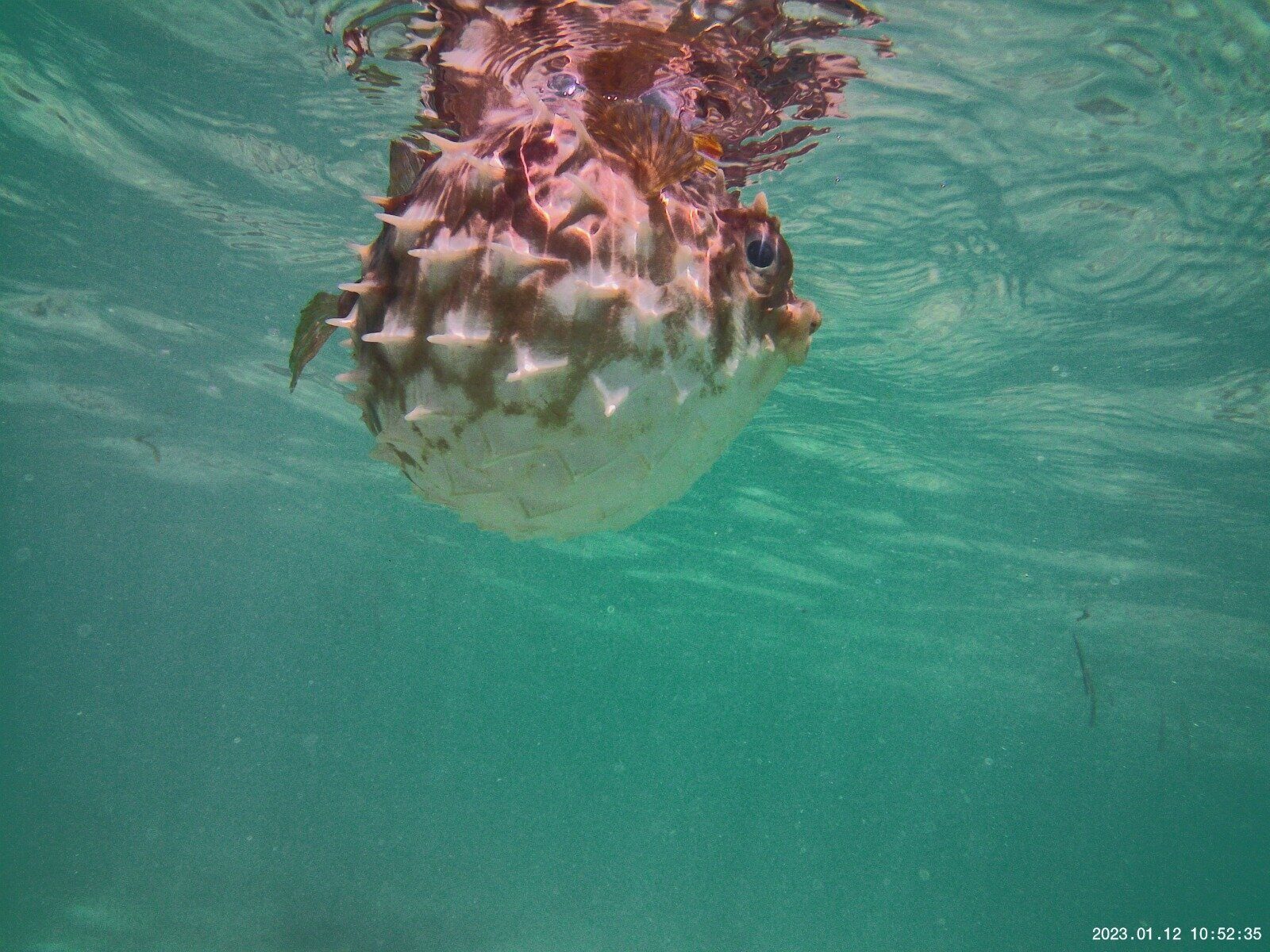
Fish life is consistent rather than spectacular: angelfish, butterflyfish, parrotfish, fusiliers in numbers, snapper, moray eels, lionfish, stingrays on the sand and green turtles seen regularly. Dolphins pass through and occasionally stay.
The honest caveat is traffic. By mid morning in high season the moorings carry a lot of boats. Early departures matter here more than at any other site on the island.
Learning to Scuba in Zanzibar
This is one of the better places in the region to qualify, largely because of the water rather than the price.
Sea temperatures rarely drop below twenty five degrees in any month, so no thick exposure suit is needed. The inner Mnemba shallows and the sheltered sites around Nungwi give calm, warm, shallow water for skills work, and visibility in the dry season is reliable.
Centres run the full progression: introductory sessions for people who want a single supervised descent without a qualification, entry level open water courses over three to four days, advanced courses, specialities and professional level training including divemaster programmes that run over several weeks.
Things worth checking before booking a course. The certification body, group size per instructor, whether the theory is completed online before you arrive, whether equipment rental and the marine park fee are inside the price, and whether the pool or confined water session happens somewhere sensible.
Pemba Island: The Serious Underwater Trip
If your holiday is genuinely built around going underwater, Unguja is not the whole archipelago.
Pemba lies fifty to sixty kilometres north across a deeper channel, and the topography is what sets it apart. The seabed drops away steeply, producing wall sites with real depth and current rather than the shallow gardens that characterise most of Unguja’s water. The reefs there are regarded among the best in the region.
That suits experienced divers and does not suit anyone recently qualified. Currents can be strong, and the sites reward people comfortable with depth and drift.
Access is a flight of around half an hour from Zanzibar into Chake Chake, or a longer and rougher ferry. Accommodation is limited, the pace is slow and there is very little tourism infrastructure, so treat Pemba as a trip of three nights or more rather than a day out.
Unguja is where you learn and where you enjoy an easy reef. Pemba is where the archipelago gets serious about what is under the water.
Conditions, Visibility and When to Come
July to September. The strongest window. Calm seas, the clearest water of the year and reliable conditions across every site. Also the busiest, so book early and take early departures.
February and March. A good second period with warm, clear water and noticeably fewer boats than the mid year peak. Well suited to newly qualified divers.
March to May. The long rains. Runoff clouds the water sharply and rough crossings cancel trips outright. Some centres reduce operations. The period to avoid if underwater time is the point of the trip.
Sea temperature. Rarely below twenty five degrees in any month, peaking around February and March. A thin suit or a shorty is enough year round.
Fees, Costs and What a Package Should Include
Tanzania applies a marine park fee per person per day in protected waters, collected separately from centre prices, and it is the most common source of disagreement at the desk.
Centres are inconsistent about whether their quoted rates include it. Course prices in particular are often listed excluding both the park fee and the certification pack, so the figure you see advertised is rarely the figure you pay.
Before booking, settle: whether the marine park fee is included, whether equipment rental is included, whether the certification materials are extra, how many descents are in a package and over how many days, and what the cancellation position is if weather closes the boat.
Multi trip packages cost less per outing than single bookings, which is worth knowing if you plan more than a couple of mornings in the water.
Safety, Insurance and Choosing an Operator
Medical facilities on Zanzibar are limited, and serious cases are referred to Dar es Salaam or further afield. That is the practical background to everything in this section.
Check that your centre carries oxygen and a first aid kit on the boat, ask about their emergency procedure and nearest chamber arrangements, and take note of group sizes. Small groups per instructor matter more than any other single indicator of a good operation.
On insurance: the mandatory inbound policy issued by the Zanzibar Insurance Corporation covers emergency medical expenses and evacuation and is required of every visitor regardless. It reportedly covers activities including scuba, but it is not a substitute for a proper policy with adequate limits if you have expensive equipment or specific medical needs. Read your own cover before you travel.
Declare medical conditions honestly on the paperwork. A centre that waves that away is telling you something about how it operates.
Reef Protection and Underwater Conduct
Coral bleaching from rising sea temperatures is a real and worsening pressure across the western Indian Ocean, and the difference between the protected sites and the unprotected ones is visible immediately.
The rules are short. Perfect your buoyancy before going near coral, since contact kills it and fins do most of the accidental damage. Take nothing. Do not chase, corner or touch fish, turtles or rays. Do not put hands into crevices where morays sit. Use a rash vest rather than chemical sunscreen on the surface interval.
Chumbe Island Coral Park, which holds some of the healthiest coral in East Africa, does not permit scuba at all. It is a snorkelling reserve by design, and that restriction is a large part of why the coral there is in the condition it is.
Frequently Asked Questions About Scuba in Zanzibar
How much does scuba cost in Zanzibar?
Prices vary by centre and are usually quoted excluding the marine park fee of around $10 to $12 per person per day, which is charged separately. Course prices commonly exclude certification packs as well, so confirm the total. A professional level divemaster programme running around a month has been listed at roughly $1,500 excluding the certification pack and park fees. Multi trip packages cost less per outing than single bookings.
Where is the best scuba in the Zanzibar archipelago?
Pemba Island, where the channel drops away steeply and produces wall sites with real depth and current, regarded among the best in the region and suited to experienced divers. On Unguja, Mnemba Atoll offers the widest range, from training shallows on the inner edge to drop offs on the outer. Chumbe Island does not permit scuba, being a snorkelling only reserve.
Can beginners learn to scuba in Zanzibar?
Yes, and the conditions suit it well. Sea temperatures stay above twenty five degrees year round, the inner Mnemba shallows and the sheltered sites near Nungwi are calm and warm, and centres run everything from single introductory sessions through entry level courses of three to four days up to professional qualifications. Check group sizes per instructor before booking.
When is the best time for scuba in Zanzibar?
July to September for the clearest water and calmest seas, with February and March a good second window and fewer boats. Avoid March to May, when the long rains cloud the water with runoff and rough crossings cancel trips. Sea temperatures never require more than a thin suit at any point in the year.
Does the mandatory Zanzibar insurance cover scuba?
The Zanzibar Insurance Corporation policy costs $44 per adult, is required of every visitor, and covers emergency medical expenses up to $50,000 plus evacuation, with reported coverage extending to activities including scuba and kitesurfing. It is not a substitute for a proper personal policy with higher limits, particularly if you carry expensive equipment. Read your own cover before travelling.
How far is Mnemba Atoll from the scuba centres?
About fifteen minutes by boat from Matemwe, which is the shortest crossing on the island. Roughly an hour from Nungwi or Kendwa, going around the northern tip. Centres based in Stone Town work the western sites around Bawe rather than making the long run north. Crossing time matters, since it determines how much of your morning is spent on the boat.
The centre you choose matters more than the site, because group size, boat safety equipment and how honestly a course is priced are all invisible from a website. Holidays To Zanzibar works with established operators on the north and northeast coasts, states the marine park fees up front, and will match a centre to your experience rather than to whatever has space.
For an underwater trip built around your qualification level and your dates, contact Holidays To Zanzibar and a real person will reply.