Beach relaxation in Zanzibar works best on a single base of four to seven nights, with the north coast at Kendwa for swimming at any hour or the east coast at Jambiani and Bwejuu for quiet at lower prices. Nothing needs booking. The variables that decide whether a rest week actually rests are the tide, the seaweed season and how many excursions you let into the diary.
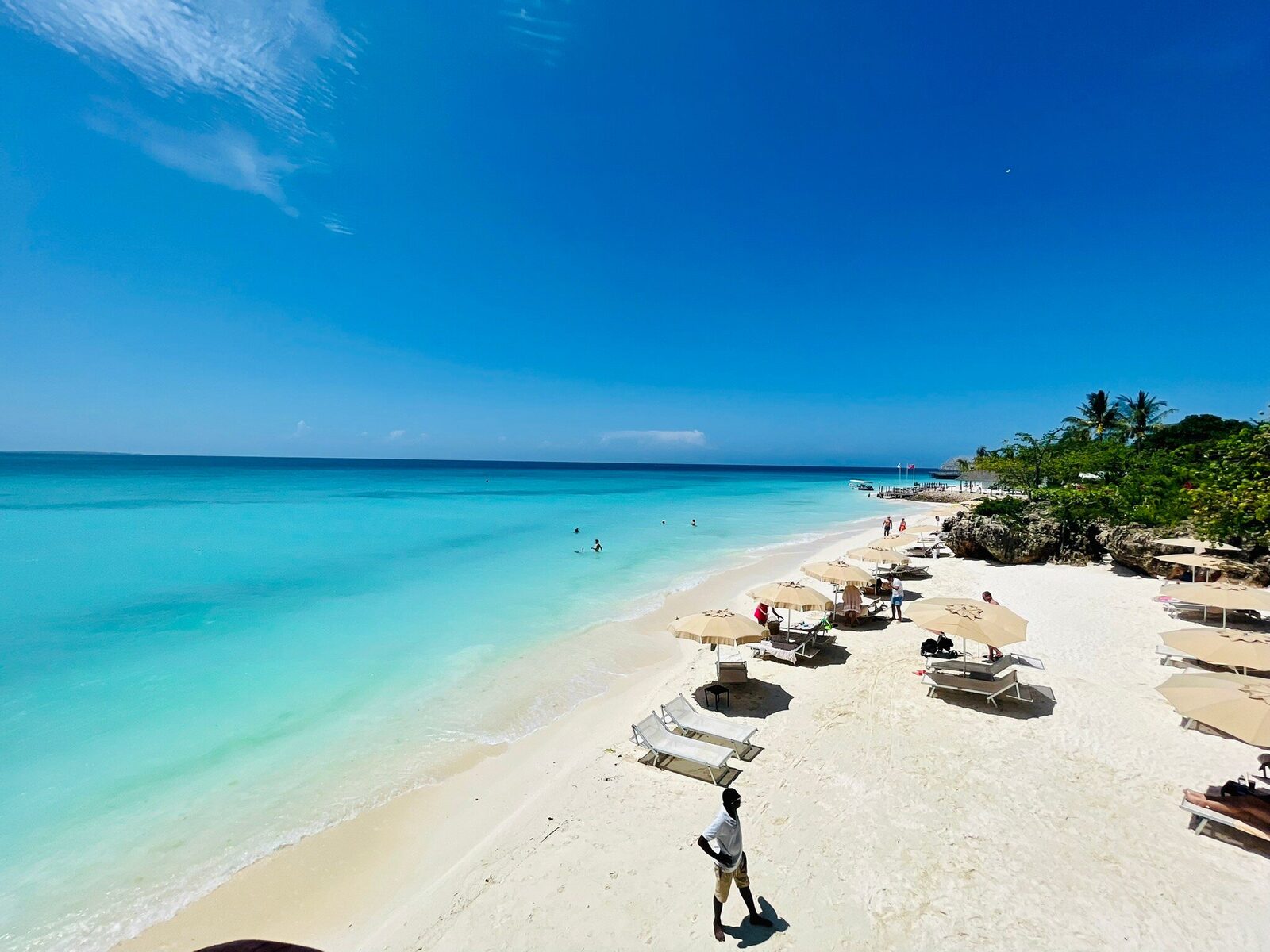
Doing nothing sounds like it needs no planning. On this island it needs slightly more than people expect, because a beach that looks identical in two photographs can behave completely differently.
Choosing a Beach for Doing Nothing
The first question is whether you want to swim whenever you feel like it, because that decides the coast.
Kendwa on the north coast is the strongest all round choice for a rest week. It sits outside the broad tidal shelf so the sea is always there, the sand is wide, properties are spaced apart, and it faces west for the island’s most reliable sunsets. Quieter than Nungwi next door, other than Saturday nights.
Jambiani and Bwejuu on the east coast are the quietest, cheapest and least developed of the main beaches, with guesthouses sitting between family homes rather than in a strip. The sea withdraws for hours at low tide, so a pool matters here.
Pongwe is a sheltered cove on the northeast coast with calmer water than its neighbours and a genuinely private feel, popular with couples.
Matemwe and Michamvi carry boutique properties spread along the coast rather than clustered, both quiet, both strongly tidal.
Nungwi and Paje are the two to avoid if rest is the priority. Both are lively by design, and both have the most persistent beach vendors on the island.
Stay in one place. The single biggest thing that ruins a rest week here is moving twice, since crossing between the north and east coasts takes about two hours and eats most of a day either side.
Working With the Tide Instead of Against It
On the east coast the tide is not a problem to be solved. It is the structure of the day, and a week goes considerably better once you stop fighting it.
At low water the sea withdraws hundreds of metres, exposing flats you can walk out across for as long as you like. That hour is genuinely good, particularly early, and it is when the seaweed farmers are working and the light is best.
As the water returns the lagoon fills and swimming becomes possible again. In between, the pool covers it, which is why a property with a decent pool matters far more on this coast than on the north.
Tide times shift daily and hotels post a table at reception. Look at it once on arrival and plan your swims loosely around it rather than checking every morning.
On the north coast none of this applies. Nungwi and Kendwa stay swimmable through most of the day, every day, which is precisely why they cost more.
What Actually Interrupts a Rest Week
Worth naming, because these are the things that come up afterwards.
Beach vendors are part of the coastline, most persistently at Nungwi and along the busier stretches. They sell crafts, coconuts, boat trips and sunglasses, and they are not aggressive. A friendly, repeated no works, and consistency is easier than debate.
Noise is localised rather than general. Kendwa Rocks runs a long standing Saturday party that becomes a full moon party when the dates align, and sound carries over sand and water. Book at the far end of that beach if you want quiet, or elsewhere entirely.
Seaweed accumulates on east coast beaches between roughly November and April, heaviest in April. It is natural and much of it is farmed, and it changes how the beach looks. The north coast is clear of it year round.
Over booking excursions is the self inflicted one. One trip every second or third day leaves the week feeling like a holiday. One every day makes it an itinerary with a beach attached.
Massage, Spas and Slow Days
The island is well set up for this, at every price level.
Beach masseuses work most of the main beaches, setting up under a palm or offering a treatment at your lounger, at a fraction of hotel spa prices. Agree the price and the duration before starting rather than after, which is the usual rule here.
Hotel and resort spas run the full range, and several properties on the north and northeast coasts have serious facilities. Coconut oil and locally made seaweed based products turn up in treatments across the island, some of them produced by the women’s cooperatives on the east coast.
Yoga is widespread, particularly at Paje and Jambiani where the remote working community has driven demand, with drop in classes on the beach most mornings.
Beyond that, the rest of a slow day organises itself: a hammock, a book, a long lunch somewhere with shade, and the sea when the tide allows.
Four nights in one place with two excursions in them will feel longer than seven nights across three beaches with something booked every morning.
How Many Days to Plan for Rest
Four to five nights on a single beach is the minimum for a stay that feels restful, and it is what most safari extensions allow.
Anyone arriving from a mainland safari should put the beach second rather than first. Game drives start before dawn and wear people out, and almost nobody arriving from the Serengeti wants to sightsee.
Seven nights is the comfortable length: two in Stone Town for the history at the start, five on one beach afterwards, with three or four excursions spread across the beach half and genuine empty days between them.
Ten days allows a second beach without the week becoming a series of transfers, most sensibly a few nights on the east coast followed by a few in the north.
Beyond ten days most visitors settle into a routine, which is fine if that is the plan and frustrating if it is not.
What to Read, Eat and Do Between Naps
The gentle end of a Zanzibar itinerary, for days when leaving the beach is too much to ask.
Eat locally rather than at the hotel. Village restaurants and beach shacks serve grilled fish, octopus in coconut curry and pilau at a fraction of resort prices, and the food is frequently better. A long lunch somewhere with shade is a perfectly respectable day’s activity.
Walk the beach at low tide. On the east coast that means several hundred metres of flats, seaweed plots, tidal pools and starfish, and it is one of the better hours of the day.
Watch the working coast. Fishing boats come and go through the morning, dhow builders shape hulls on the sand at Nungwi, and none of it is arranged for you.
Take a sunset dhow cruise, which is one to two hours under sail with drinks, arranged on the beach on the day. It is the least demanding excursion on the island.
Timing a Rest Week
June to October. The long dry season and the best conditions of the year: low humidity, minimal rain, calm sea, no seaweed on the east coast. Peak prices and the busiest beaches.
January and February. Hot, dry and bright, with clear warm water. Cheaper than the mid year peak once the New Year rush clears. Seaweed present on the east coast.
November and early December. Short rains, usually an afternoon shower within an otherwise sunny day. Among the best value on the calendar, then the Christmas surge arrives.
March to May. The long rains, heaviest in April. Lowest rates of the year and some properties closed. Fine for a pool and a book, poor for anything involving the sea.
Practical Notes for Long Days on the Sand
The sun here is stronger than most visitors expect six degrees from the equator, and sand and water reflect it back. A rash vest does more than repeated sun cream, and reef safe formulations matter near the protected areas.
Reef shoes are worth having on the east coast, where urchins and sharp coral sit across the flats. Repellent from dusk onwards, when mosquitoes become active and you are sitting still.
Beachwear stays on the beach. Shoulders and knees covered in villages, markets and Stone Town, and topless sunbathing is not appropriate anywhere on the island.
There are no lifeguards on most beaches, currents near reef edges can be strong, and beaches empty and darken quickly after sunset. Ask your hotel which zones are safe to swim in rather than assuming.
Frequently Asked Questions About Beach Relaxation in Zanzibar
Which is the most relaxing beach in Zanzibar?
Kendwa on the north coast for an all round rest week, with swimmable water at any hour, wide sand and the best sunsets, other than Saturday nights when the beach party runs. Jambiani and Bwejuu on the east coast are quieter and around thirty to forty percent cheaper, with the tide as the trade off. Pongwe is a sheltered cove suited to couples.
How much does a relaxed beach week cost in Zanzibar?
Simple bungalows run $20 to $50 per night, boutique hotels $60 to $150 and resorts $200 to $800 in peak season. Daily budgets sit at $40 to $90 per person for budget travel, $120 to $250 mid range and $300 or more for luxury. Beach massages cost a fraction of hotel spa prices, and village restaurant meals run $3 to $6 against considerably more at resorts.
How many nights should you spend on one beach?
Four to five as a minimum for a stay that actually rests, and five to seven for a full week when paired with two nights in Stone Town. Stay in one place. Crossing between the north and east coasts takes about two hours, so each move costs most of a day, and moving twice in a week defeats the purpose.
Does the tide ruin a relaxing beach holiday?
Only if you fight it. On the east coast at Paje, Jambiani, Bwejuu and Matemwe the sea withdraws hundreds of metres at low water, so book somewhere with a good pool and plan swims around the tide table your hotel posts. On the north coast at Nungwi and Kendwa it barely applies, which is why those beaches cost more.
Are beach vendors a problem in Zanzibar?
They are a constant rather than a problem, most persistently at Nungwi and along the busier stretches, selling crafts, coconuts and boat trips. They are not aggressive and a friendly repeated no is understood. Quieter beaches such as Jambiani, Bwejuu, Pongwe and Michamvi see far fewer.
When is the best time for a relaxing beach stay?
June to October for the best all round conditions, with low humidity, calm sea and no seaweed on the east coast, at peak prices. January and February are hot, dry and cheaper than the mid year peak. November and early December offer good value with brief afternoon showers. March to May brings the long rains, with the lowest rates and some properties closed.
A rest week here turns on three things that no booking site puts together in one place: the coast, the tide on your specific stretch of sand, and how many excursions end up in the diary. Holidays To Zanzibar plans beach stays around actually stopping, which usually means fewer bookings and one base rather than two.
For a week arranged around doing very little, contact Holidays To Zanzibar and a real person will reply.