Zanzibar is famous for its spice trade, the UNESCO listed Stone Town, its role in the East African slave trade, and white sand beaches with coral reefs offshore. Visitors come for spice farm tours, Stone Town walking tours, reef trips and beach stays, most booked on arrival or through hotels. Zanzibar is a semi autonomous Tanzanian archipelago in the Indian Ocean, known historically as the Spice Islands.
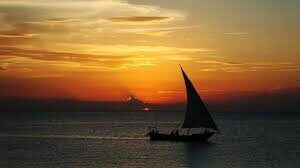
The beaches are what sell the place now. Almost everything else it is known for came from being in the right position on the monsoon trade routes for about a thousand years.
The Spice Islands: Cloves and the Trade That Named Zanzibar
The nickname is the most durable thing about Zanzibar’s reputation, and it is earned. The islands dominated world clove production through the nineteenth century, and cloves, nutmeg, cinnamon, cardamom, black pepper and vanilla are still grown across the western belt of Unguja and on Pemba.
Almost none of it is native. The spices were brought here by Omani, Indian and Portuguese traders and took to the soil and climate well enough to reshape the economy entirely. Sultan Seyyid Said moved the Omani capital from Muscat to Zanzibar in 1832 with that trade in mind.
A spice farm tour is now among the most booked half days on the island, walking a working smallholding while a guide crushes leaves and splits pods for you to identify. Production has fallen a long way from its peak, undercut by other producers, but the farms and the reputation both remain.
Stone Town, the UNESCO World Heritage Site
The old coral stone quarter of Zanzibar City was inscribed on the UNESCO World Heritage List in 2000 as the most complete surviving example of a Swahili coastal trading town.
What makes it distinctive is the fusion. African, Arab, Indian and European influences sit on top of one another in the same buildings, most visibly in the carved doors that are the quarter’s signature: rounded Indian style frames with projecting brass studs, and square Omani frames carved with chains, lotus motifs and Arabic script.
The landmarks on any Stone Town walking tour tell the same story. The Old Fort, raised by the Omanis between 1698 and 1701 over a Portuguese church. The House of Wonders, built in 1883 as the first building in Zanzibar with electricity and the first in East Africa with a lift, and closed since part of it collapsed in 2020. The Old Dispensary with its carved balconies and stained glass.
Give Stone Town at least one full day and preferably two nights. Most visitors treat it as a stop between the airport and the beach, and it is the part of the island that stays with people longest.
The Slave Trade and the Abolition Story
Zanzibar is also known for something considerably darker, and any honest account of what made it famous has to include it.
The island held East Africa’s largest slave market, at Mkunazini in Stone Town. At the height of the trade in the 1860s an estimated fifty thousand people passed through it annually, taken from the interior of what are now Tanzania, Malawi, Zambia and eastern Congo. The clove plantations that made the island wealthy ran on that same labour.
Sultan Barghash signed the treaty abolishing the trade in 1873 under British pressure, and Bishop Edward Steere had Christ Church Cathedral built directly over the market site, with the altar placed deliberately where the whipping post had stood. Two holding chambers survive beneath the neighbouring building and are open to visitors.
The trade did not stop cleanly. The slave chamber at Mangapwani on the northwest coast was cut into the rock around 1880, seven years after abolition, to conceal captives from a trade that continued illegally for decades.
White Sand Beaches and the Reefs Offshore
The modern reputation rests here. Zanzibar’s coastline runs to fine white coral sand with turquoise shallows, and it is what most visitors picture when they hear the name.
The beaches are not interchangeable, which is the thing most people learn too late. Nungwi and Kendwa on the north coast escape the extreme tides and allow swimming at any hour. Paje, Jambiani, Matemwe and the east coast sit on a shallow shelf where the sea can withdraw hundreds of metres, sometimes close to a kilometre, at low tide.
Offshore, the reefs are the other draw. Zanzibar’s waters hold over six hundred fish species and around fifty types of coral. Mnemba Atoll off Matemwe is the best known snorkelling and scuba ground, and Chumbe Island Coral Park in the southwest holds some of the healthiest coral in East Africa under strict protection and capped visitor numbers.
The Zanzibar Red Colobus and Jozani Forest Trips
The island has one genuinely famous animal, and it lives nowhere else on earth.
The Zanzibar red colobus monkey is endemic to Unguja and classified as endangered, with a russet back, a pale front and a dark face ringed in white. The most accessible population lives in Jozani Chwaka Bay National Park, Zanzibar’s only national park, where habituated troops feed within a few metres of the main trail.
The park protects groundwater forest, coral rag thicket, mangrove and salt marsh, and a Jozani forest tour takes an hour or two with a ranger guide included in the entry fee. It sits on the road between Stone Town and the east coast, which makes it easy to attach to almost any day.
A primate found on one island and no other, feeding in a tree three metres from a public footpath. There is nothing else like it in East Africa.
Swahili Culture, Food and Taarab Music
Zanzibar is widely regarded as the home of the most standard form of Swahili, and the island’s cultural output travels well beyond it.
Taarab is the signature music, an orchestral Swahili song tradition drawing on Arab, Indian and African influences and performed across the islands. The Sauti za Busara festival in February fills the Old Fort with performers from across the continent, and the Zanzibar International Film Festival takes over the same amphitheatre in July.
The food carries the same layering. Pilau and biryani from the Indian Ocean trade, coconut and tamarind curries, octopus and grilled reef fish, urojo soup loaded with fritters, and the street food invention known as Zanzibar pizza, a fried dough parcel filled with meat, egg and cheese. Most visitors meet all of it at the evening food market in Forodhani Gardens.
Giant Tortoises, Sandbanks and the Island’s Best Known Day Trips
Several individual attractions have become famous in their own right, mostly through photographs.
Prison Island tortoises. A colony of Aldabra giant tortoises on Changuu Island, descended from animals gifted by the Governor of the Seychelles in 1919, with the oldest carrying painted ages well past a hundred and fifty years.
The Rock Restaurant. A small seafood restaurant built on a coral outcrop off Michamvi Pingwe, reached on foot at low tide and by boat at high tide. Probably the single most photographed building on the island.
Nakupenda sandbank. A strip of white sand in the channel off Stone Town that surfaces at low tide and vanishes as the water returns, visited with a seafood barbecue served on the sand.
Kizimkazi dolphins. Resident bottlenose dolphins in the shallow water off the southern villages, watched on dawn boat trips, alongside a mosque dated by inscription to 1107.
The Zanzibar Revolution and the Shortest War on Record
Two events keep the island in general knowledge quizzes.
The first is the Anglo Zanzibar War of 1896, fought after a disputed succession, when British warships shelled the palace complex on the Stone Town waterfront. It lasted well under an hour and is widely recorded as the shortest war in history. The House of Wonders was damaged and rebuilt, and the buildings on either side were destroyed outright.
The second is the Zanzibar Revolution of 1964, which overthrew the sultanate and led within months to union with mainland Tanganyika. The blended name Tanzania comes from that union, and Zanzibar retains semi autonomous status under it, with its own president, House of Representatives and immigration checks.
Frequently Asked Questions About What Zanzibar Is Known For
Why is Zanzibar called the Spice Islands?
Because the archipelago dominated world clove production through the nineteenth century and grew nutmeg, cinnamon, cardamom, pepper and vanilla alongside it. The spices were introduced by Omani, Indian and Portuguese traders rather than native to the islands. Spice farm tours remain one of the most popular half days, costing roughly $20 to $35 per person including transport from Stone Town.
What is Zanzibar’s most famous attraction?
Stone Town, inscribed on the UNESCO World Heritage List in 2000 as the most complete surviving Swahili coastal trading town. Within it, the former slave market and Anglican cathedral at Mkunazini is the site most visitors rate highest, at around $5 entry. Outside town, Mnemba Atoll for snorkelling and Jozani Forest for the endemic red colobus monkey are the best known.
Is Zanzibar famous for beaches or history?
Both, and they attract different visitors. The beaches drive most bookings, particularly Nungwi and Kendwa in the north for all day swimming and Paje for kitesurfing. The history is what people talk about afterwards, especially the slave trade sites and the layered architecture of Stone Town. The strongest trips include both rather than choosing.
What animal is Zanzibar famous for?
The Zanzibar red colobus monkey, which is endemic to the island and found nowhere else on earth. It is classified as endangered and the most accessible population lives in Jozani Chwaka Bay National Park, where entry costs roughly $10 to $12 per adult including a park ranger guide. The Aldabra giant tortoises on Prison Island are the other well known animals, though those were introduced from the Seychelles.
What food is Zanzibar known for?
Pilau and biryani rice dishes, coconut and tamarind seafood curries, grilled octopus and reef fish, urojo soup served with fritters and chutney, and Zanzibar pizza, a fried dough parcel filled with meat, egg and cheese. The evening food market at Forodhani Gardens in Stone Town is where most visitors try all of it, eating well for around $8 to $15 per person.
What is the shortest war in history and what does it have to do with Zanzibar?
The Anglo Zanzibar War of 1896, fought on the Stone Town waterfront after a disputed succession, when British warships shelled the palace complex. It lasted well under an hour and is widely recorded as the shortest war ever fought. The House of Wonders was damaged in the bombardment and subsequently rebuilt.
Zanzibar’s reputation covers a lot of ground, and a first trip that only chases the beach photographs misses most of what actually makes the island interesting. Holidays To Zanzibar builds itineraries that give the old town, the forest and the reef their proper share of the week rather than treating them as fillers between beach days.
For a trip built around what draws you here rather than a fixed circuit, contact Holidays To Zanzibar and a real person will reply.