Zanzibar’s coral reefs hold around fifty coral types and over six hundred fish species, with the healthiest coral at Chumbe Island Coral Park in the southwest and the widest range of sites at Mnemba Atoll off the northeast coast. Boat trips run every morning and a marine park fee applies per person per day in protected waters. The reefs fringe Unguja and Pemba in this Tanzanian archipelago.
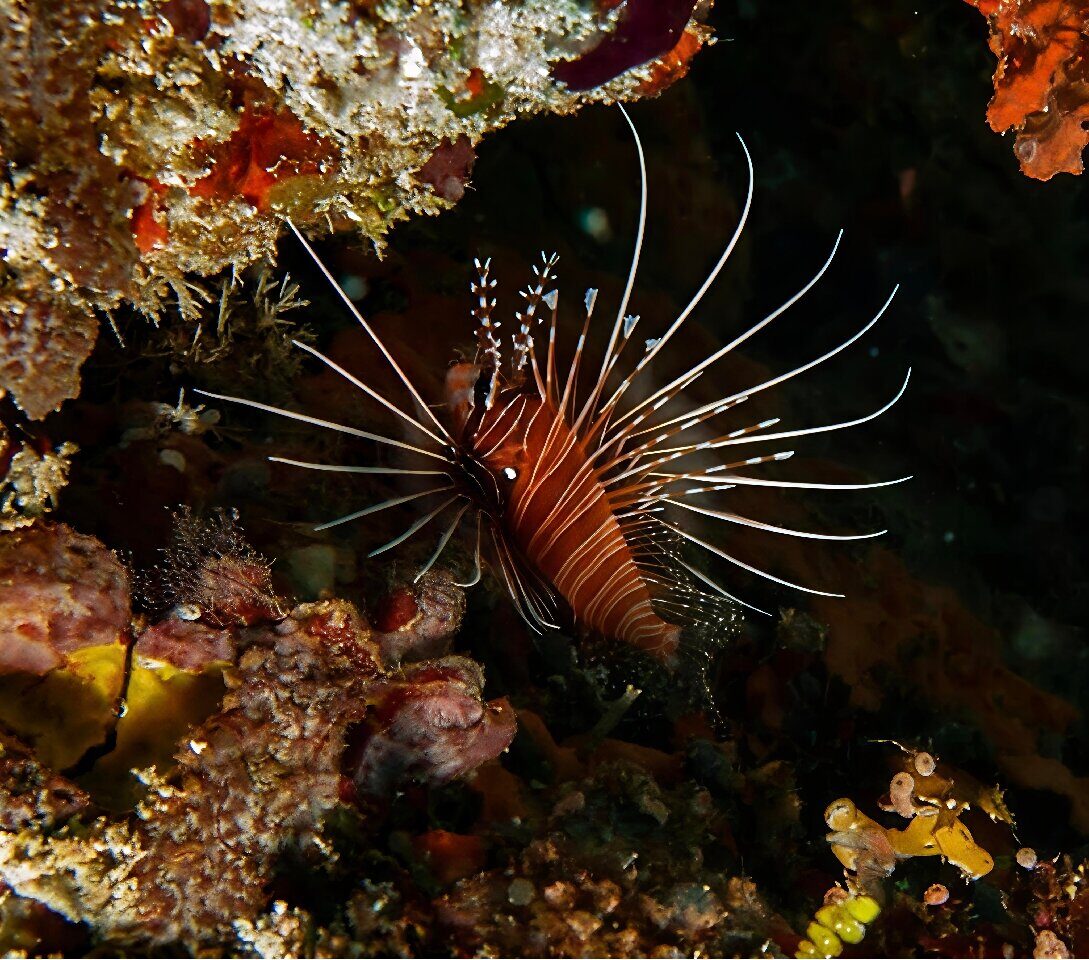
This article is about the coral itself rather than the fish, because the condition of the reef is what separates one site here from another, and it is the thing under most pressure.
What a Zanzibar Reef Is Made Of
The reefs here are fringing reefs, running parallel to the coast a short distance offshore, which is why the east coast has a broad shallow lagoon behind its reef and the north coast does not.
Hard corals build the structure: branching and plate forms in the shallows, massive boulder corals lower down, all of them colonies of tiny animals laying down calcium carbonate over decades. Soft corals and sea fans grow across the harder framework where current brings food past.
That structure is what everything else depends on. Parrotfish grind at it and turn it into sand, moray eels live in its crevices, juvenile fish shelter in the branching sections, and turtles graze the algae growing over it.
The whole island is built from the same material. Coral rag, the fossilised remains of older reef, is the rock that Stone Town was quarried from and the ground that Jozani forest grows on.
Look at coral condition rather than fish count when judging a site. A reef with lots of fish and broken bleached coral is a reef running down; a reef with dense living coral will hold its fish for decades.
Chumbe Island: The Healthiest Coral in the Region
If reef condition is what interests you, Chumbe is the site on this archipelago.
The reef along the island’s western side has been closed to fishing since the 1990s, and before that it sat inside a military exclusion zone for decades, which kept boats and development away entirely. The coral there was never damaged rather than restored, which is a rarer thing.
The difference is obvious within seconds in the water. Coral cover is dense and varied, with hard and soft species in genuinely good condition, and fish populations reflect what unfished reef supports: large groupers, snapper, parrotfish and wrasse in numbers you will not see elsewhere here.
Access is by all inclusive day package with numbers capped deliberately, running around ten in the morning to late afternoon and including a guided ninety minute snorkelling session with a ranger. Scuba is not permitted in the reserve, which is part of why the coral is in the state it is.
Mnemba Atoll and the Northeast Reefs
The most visited reef ground on Unguja, and the range of sites is its strength.
Mnemba is a ring of protected reef around a small private island, reached in about fifteen minutes from Matemwe or an hour from Nungwi. Shallow coral gardens sit on the inner edge with almost no current, while the outer edge drops away into deeper water with more structure and more movement.
Coral condition here is good in places and visibly worn in others, which is what heavy traffic does over time. Fish life is consistently strong, with angelfish, butterflyfish, parrotfish, fusiliers, moray eels, lionfish and rays, and turtles seen regularly.
Tumbatu off the northwest coast carries a fraction of Mnemba’s boat traffic and is the obvious alternative when the atoll is busy, particularly for anyone based at Nungwi or Kendwa.
Pemba’s Walls and the Deeper Sites
The archipelago’s second island is a different proposition and worth knowing about.
Pemba lies fifty to sixty kilometres north across a deeper channel, and the seabed drops away steeply rather than shelving. That produces wall sites with real depth and current, and reefs regarded among the best in the region.
Those conditions suit experienced scuba divers rather than snorkellers or anyone recently qualified. Access is a short flight of around half an hour into Chake Chake, accommodation is limited and the pace is slow, so treat it as a trip of three nights or more.
For anyone whose holiday is genuinely built around coral rather than beach, Unguja is not the whole archipelago and Pemba is where the serious water is.
Chumbe’s coral survived because a military exclusion zone kept everyone away before anyone thought to protect it. Sometimes conservation is a matter of being left alone.
Coral Bleaching and the Pressure on These Reefs
This is the part worth taking seriously rather than skimming.
Rising sea temperatures across the western Indian Ocean cause coral bleaching, where stressed coral expels the algae living within it and turns white. Bleached coral is not dead immediately, and it dies if conditions do not recover.
The pressure is real and worsening, and Zanzibar’s reefs are not exempt. Alongside temperature come sedimentation from land runoff, particularly during the long rains from March to May, and physical damage from anchors, fins and hands.
What protection achieves is visible here in a way that makes the argument better than any statistic. The gap between Chumbe, closed to fishing for three decades, and unmanaged reef a short boat ride away is not subtle.
Marine park fees fund patrols and reef management, which is worth remembering when they are charged separately from your trip price and feel like an add on.
How to Behave on a Reef
Do not touch or stand on coral. Contact kills the polyps. This applies to a hand steadying yourself as much as to deliberate handling.
Watch your fins. They cause most accidental reef damage, usually because people do not realise where their feet are in shallow water. Keep them up and behind you.
Wear a rash vest rather than sunscreen. Chemical sun creams are not permitted in the water at Chumbe at all, and they are best avoided at every site.
Take nothing. No shells, no coral fragments, no starfish lifted out of the water for photographs, which kills them.
Keep distance from animals. No chasing or cornering fish, turtles or rays. Do not put hands into crevices where morays sit.
Choose operators who moor properly. Boats that anchor onto reef do more damage in a morning than a hundred swimmers.
When Reef Conditions Are at Their Best
Visibility tracks rainfall almost exactly, because sediment washing off the land is what clouds the water.
July to September is the strongest window across every site, with calm seas and the clearest water of the year. February and March give a good second period with warm clear conditions and fewer boats than the mid year peak.
March through May is the period to avoid. Runoff during the long rains reduces visibility sharply and rough crossings cancel trips outright. If reef time is the point of your trip, plan the dates around this before anything else.
Sea temperatures rarely fall below twenty five degrees in any month, so exposure protection is never the issue. Warm water is also, unfortunately, part of the bleaching problem.
What Lives on These Reefs
The coral is the structure, and the community it supports is what you actually notice in the water.
Reef fish dominate: anthias and fusiliers in shoals over the coral heads, angelfish and butterflyfish working the surfaces, parrotfish audibly grinding at the hard coral, wrasse, snapper, triggerfish and boxfish through the mid water.
Predators and specialists sit in the structure itself. Moray eels back into crevices, lionfish hang under overhangs with their fins spread, and scorpionfish sit still enough to be missed entirely.
On the sand between coral heads, stingrays work the bottom and goatfish sift it. Starfish sit on the shallow flats near sandbanks.
Turtles are the sighting most visitors hope for, and green turtles are seen regularly on the better sites, grazing algae from the reef and surfacing to breathe. Dolphins pass through the water around Mnemba and off the south coast.
All of it depends on the coral holding. A reef in poor condition keeps its fish for a while and then does not.
Fees, Booking and Choosing a Trip
Tanzania applies a marine park fee per person per day in protected waters, collected separately from trip prices, and Chumbe carries an additional government levy on top of its package. Both are real and both are routinely left out of the first quote.
Settle four things before paying: whether the marine park fee is included, how long you actually get in the water, what equipment is supplied and its condition, and what time you are back.
For Chumbe, book several weeks ahead in high season, since daily numbers are capped and the island sells out. For Mnemba, take the earliest departure available, which affects both your experience and the pressure on the moorings more than any other decision.
Frequently Asked Questions About Zanzibar’s Coral Reefs
Where is the best coral in Zanzibar?
Chumbe Island Coral Park in the southwest, closed to fishing since the 1990s and protected by a military exclusion zone for decades before that, giving coral that was never damaged rather than restored. Mnemba Atoll has more site variety and stronger fish numbers with visibly worn coral in places. Pemba’s wall sites are regarded among the best in the region for experienced divers.
How much do reef trips cost in Zanzibar?
Shared Mnemba trips start around $50 per person, with private boats up to $200 for two people. Chumbe Island all inclusive day packages run $90 to $110 plus a government levy of about $25, bringing the realistic total to $115 to $145. A marine park fee of roughly $10 to $12 per person per day applies in protected waters and is often charged separately.
Is the coral bleached in Zanzibar?
Bleaching from rising sea temperatures is a real and worsening pressure across the western Indian Ocean, and Zanzibar’s reefs are affected alongside sedimentation from land runoff and physical damage. Condition varies sharply by site: protected reefs such as Chumbe are in good order, while heavily visited and unmanaged reefs show visible wear.
Can you scuba at Chumbe Island?
No. Chumbe is a snorkelling only reserve by design, and that restriction is part of why the coral there is in the condition it is. Visits run as an all inclusive day package including a guided ninety minute snorkelling session with a ranger, with daily visitor numbers capped and booking required well ahead in high season.
When is coral visibility best in Zanzibar?
July to September for the clearest water and calmest seas across every site, with February and March a good second window and fewer boats. March to May is the worst, when runoff from the long rains clouds the water and rough conditions cancel trips. Sea temperatures stay above twenty five degrees year round.
How can visitors avoid damaging the reef?
Do not touch or stand on coral, keep fins up and behind you since they cause most accidental damage, wear a rash vest instead of chemical sunscreen, take nothing including shells and starfish, and keep distance from fish and turtles. Choosing operators who use moorings rather than anchoring on reef matters more than any individual swimmer’s behaviour.
Reef condition varies enormously between sites here, and the operators who protect it are not always the ones with the best photographs. Holidays To Zanzibar works with skippers who use moorings rather than anchors, brief properly before anyone enters the water, and state the marine park fees before you pay.
For a reef trip matched to what you actually want to see, contact Holidays To Zanzibar and someone who works these waters will reply.