The best months for a beach holiday in Zanzibar are June to October, when the sea is calm and clear, seaweed is absent from the east coast and rainfall drops away. January and February give a hotter second window. Beach lodges close for parts of April and May. Zanzibar is a Tanzanian archipelago in the Indian Ocean where tides and seaweed matter as much as rainfall for a beach stay.
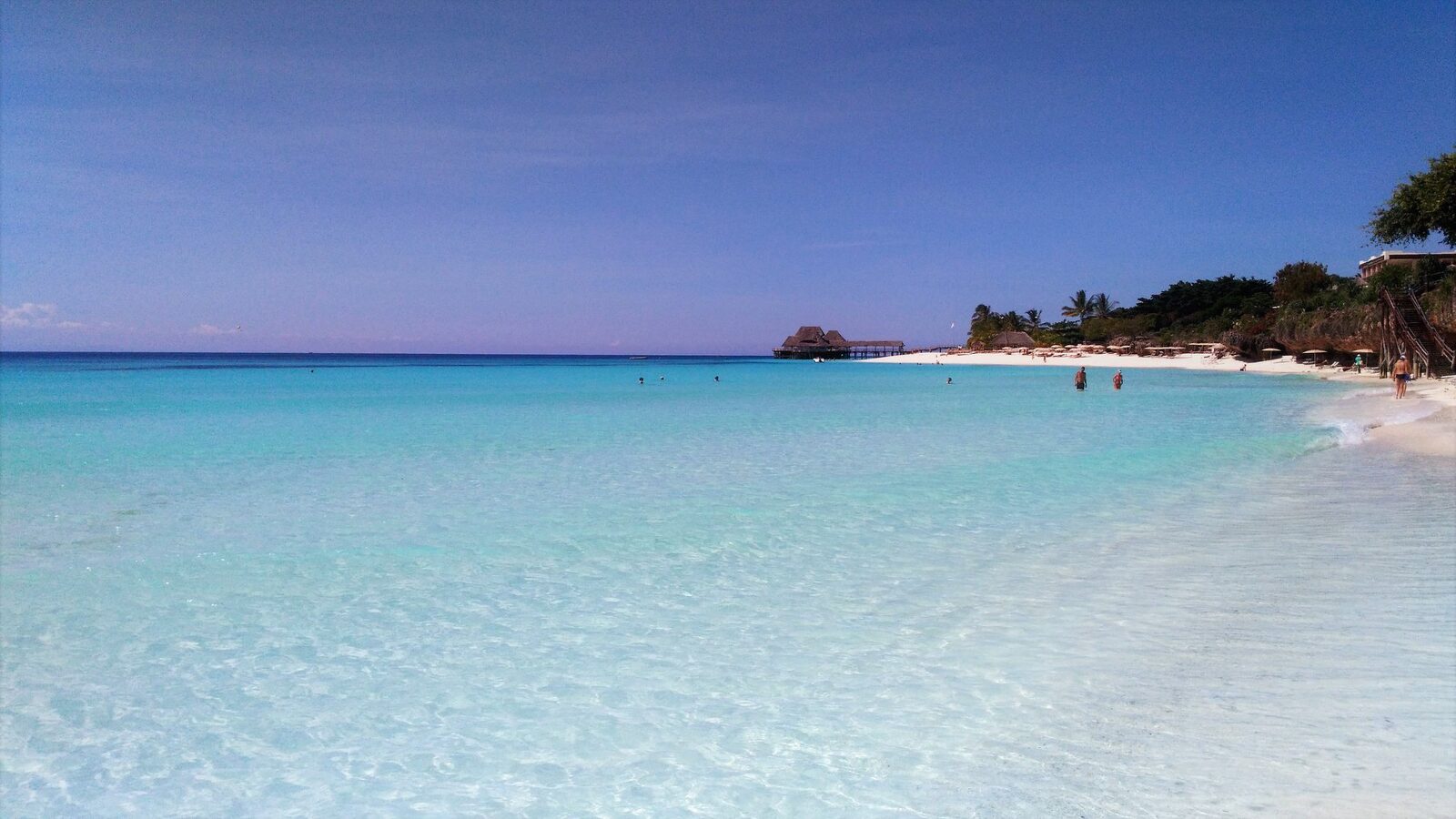
Three things decide whether a beach week works here, and only one of them is weather. The others are what the tide does on your coast and whether the seaweed season has arrived.
June to October: The Strongest Window for a Zanzibar Beach Trip
This is the answer for most people planning a beach trip instead of a sightseeing one.
Rainfall drops to roughly thirty five to fifty millimetres a month, humidity falls to its annual low and the sea flattens out. Daytime temperatures sit around twenty eight to thirty degrees, which is warm enough for the beach and cool enough that you can walk around in the middle of the day without suffering.
Two beach specific advantages come with it. Underwater visibility is at its best, so snorkelling and reef trips actually deliver. And the east coast is clear of seaweed throughout, which is the single biggest visual difference between a good month and a bad one on that side of the island.
Every beach lodge is open and fully staffed by June. The cost is that this is peak season, overlapping with the mainland safari high season, so book months ahead.
September and early October give the same conditions as August with noticeably fewer people, once the European holidays finish. If your dates are flexible within the dry season, take those weeks.
Seaweed Season and How It Affects an East Coast Beach Holiday
This is the factor no promotional photograph ever shows, and it matters more than most visitors realise.
Between roughly November and April, and heaviest in April, seaweed accumulates along the east coast beaches at Paje, Jambiani, Bwejuu and Matemwe. It is a natural seasonal cycle rather than pollution, and a good deal of what you see on the flats is farmed deliberately by village cooperatives, tied to wooden stakes and harvested for export.
Swimming is still possible. What changes is the look and feel of the beach, and for some visitors that is the difference between the holiday they pictured and the one they got.
The north coast at Nungwi and Kendwa stays clear of it year round. If you are travelling between November and April and the swept white sand image matters to you, book the north coast instead of the east.
Tides and Which Beaches Work in Which Months
Tides do not follow the seasons, which is why they need planning separately from the weather.
The east and southeast coasts sit on a broad shallow shelf where the waterline moves hundreds of metres, and up to about a kilometre on some stretches, at low water. That happens in every month of the year. Nungwi and Kendwa in the north escape it and stay swimmable through most of the day, year round.
The practical consequence: if you need to swim whenever you feel like it, the month you choose is less important than the coast. If you can work around a tide table, the east coast opens up quieter beaches and rates thirty to forty percent below the north.
Whatever your dates, check tide times for your specific week rather than assuming. Hotels post them and boat crews plan around them.
January and February: The Hot Beach Season
A shorter dry window sits between the two rainy periods, and it is underused.
These are the hottest months of the year, with daytime highs into the low to mid thirties, nights around twenty two or twenty three and humidity higher than mid year. For anyone who genuinely likes heat, that is a feature.
Rainfall stays minimal, the water is warm and clear, and sea conditions suit snorkelling and swimming well. Seaweed is present on the east coast, which is the trade off, and the north coast is the better bet in this window.
Prices drop below the June to October peak once the New Year rush has cleared, making mid January onwards good value. February brings the Sauti za Busara music festival to Stone Town, which affects the old town and not the beaches.
The month decides the weather. The coast decides whether the sea is there when you want it. Those are two separate decisions and people routinely make only one of them.
March to May: Why the Long Rains Do Not Suit a Beach Stay
Honest assessment: this is the period to avoid for a beach holiday above all.
The long rains peak in April, when a single month’s rainfall can exceed everything that falls between June and October. Downpours are sustained rather than brief, often running for hours. Sea visibility collapses as sediment washes off the land, and boat trips are cancelled regularly.
Seaweed on the east coast is at its annual maximum in April. Some hotels close for part of the season and staff take leave, so service levels vary at the ones that stay open.
The counterweight is price. Rates fall to their lowest of the year, with off season accommodation averaging close to half of peak, and the island is green and quiet. That works for someone who wants Stone Town and a pool at a low price. It does not work for a beach and reef holiday.
November and December: The Short Rains and the Festive Spike
The short rains arrive around November with a completely different character from the long ones. Mornings are often sunny and humid, cloud builds through the middle of the day, and a heavy but brief shower breaks in the afternoon before clearing.
Most beach days survive that intact. Boat trips run, sea conditions are workable, and rates in November and early December are among the best value on the calendar. Seaweed begins accumulating on the east coast in this period.
December dries out as the month goes on, and the weather over Christmas and New Year is usually excellent. So is demand. That fortnight carries the sharpest price spike of the entire year, above July and August, with minimum stays of five to seven nights common at beach properties.
Water Sports Seasons for a Zanzibar Beach Holiday
Kitesurfing at Paje. Two wind seasons: the kaskazi from the northeast roughly December to March, and the kusi from the southeast roughly June to September. April, May, October and November are unreliable and the schools go quiet.
Snorkelling and reef trips. July to September for the best visibility, with February and March a good second window. March to May is poor, with runoff clouding the water and frequent cancellations.
Sailing and dhow cruises. June to October and January to February for the calmest water. The channel gets choppy during the long rains and the crossings become uncomfortable.
Swimming and beach days. Year round on the north coast. Tide dependent on the east coast in every month, and affected by seaweed there from November to April.
Matching the Month to Your Beach and Your Budget
Four combinations cover most trips.
North coast, June to October. The safest choice for a first beach holiday. Swimmable water at any hour, no seaweed, clear seas for reef trips. Peak prices.
North coast, mid January to February. Same practical advantages, hotter, cheaper than the mid year peak, and clear of the festive spike.
East coast, June to October. Excellent value, no seaweed, quiet beaches and the kusi wind for kitesurfing, provided you plan around the tide.
Anywhere, April or May. Only if the low price is the priority and you accept the weather. Confirm your property is actually open rather than trusting a booking site.
Frequently Asked Questions About Zanzibar Beach Holiday Timing
What is the best month for a beach holiday in Zanzibar?
September for most people, giving August’s conditions with fewer crowds once the European holidays end. July and August are the driest and clearest but busiest and most expensive. June is the best value within the dry season, with beach lodges reopened after the rains and rates not yet at their peak.
When is the seaweed season in Zanzibar?
Roughly November to April on the east coast, heaviest in April. It is a natural seasonal cycle, and much of what appears on the flats at Paje and Jambiani is farmed by village cooperatives for export. The north coast at Nungwi and Kendwa stays clear year round, which is the practical fix if you are travelling in those months.
How much does a Zanzibar beach holiday cost by season?
Off season accommodation averages around $63 per night against roughly $118 in peak. Simple bungalows run $20 to $50, boutique hotels $60 to $150 and resorts $200 to $800 in high season. Daily budgets sit at $40 to $90 per person for budget travel, $120 to $250 mid range and $300 to $600 or more for luxury. The Christmas and New Year fortnight is the most expensive period of the year.
Can you have a good beach holiday in Zanzibar in April?
Not really, if the beach and sea are the point. April is the wettest month, with downpours lasting hours, collapsed sea visibility, cancelled boat trips, peak seaweed on the east coast and some hotels closed entirely. Rates are the lowest of the year and the island is green and quiet, which suits a different kind of trip.
Which beach should you book for a rainy season trip?
The north coast at Kendwa or Nungwi, and a property with a good pool. Those beaches escape both the extreme tides and the seaweed, so a wet week there still gives you swimmable sea between showers. Confirm the property is actually operating for your dates, since some close during April and May.
Is the sea warm enough for swimming all year in Zanzibar?
Yes. Sea temperatures rarely fall below twenty five degrees in any month and peak in February and March, so no wetsuit is needed at any point in the year. What changes seasonally is clarity rather than warmth, with visibility best from July to September and poorest during the long rains from March to May.
A beach week here turns on three variables that most booking sites never mention together: the month, the tide on your specific stretch of sand, and whether the seaweed season has started. Holidays To Zanzibar checks all three against your dates before recommending a property rather than after you have paid for it.
For a straight answer on whether your travel window suits the beach you have in mind, contact Holidays To Zanzibar and a real person will reply.