August has the best weather in Zanzibar, sitting in the middle of the long dry season with minimal rainfall, the lowest humidity of the year and daytime temperatures around thirty degrees. July and September run it extremely close. Visitors can travel comfortably any month between June and October. Zanzibar is a tropical Tanzanian archipelago in the Indian Ocean where rainfall and humidity, rather than temperature, separate one month from another.
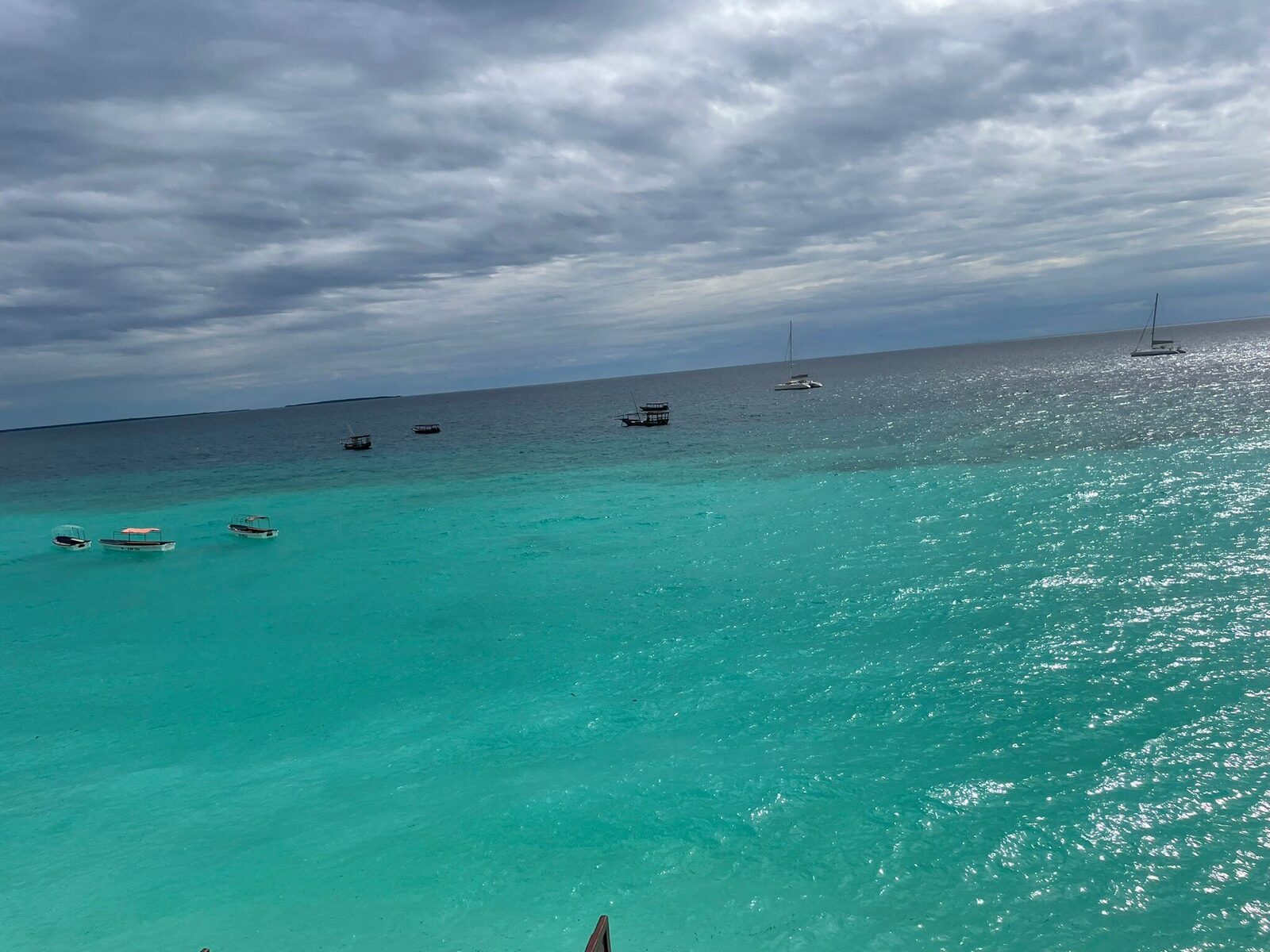
Temperature is almost a non factor here. Average conditions shift by about three degrees across the entire year, which means the month you pick is really a question of how much rain and how much moisture in the air you are willing to accept.
August: The Best Month for Weather on a Zanzibar Trip
August takes the title on the numbers. It sits at the coolest point of the year by island standards, with average conditions bottoming out around twenty six degrees and overnight lows dropping to about twenty. Daytime highs reach thirty and rarely push past it.
Rainfall is negligible, humidity is at its annual low, and the southeast kusi wind keeps the air moving, which matters more than the thermometer suggests. Sleeping is comfortable, walking Stone Town in the middle of the day is possible rather than punishing, and the sea sits calm and clear.
The cost of all that is company. August is the busiest month on the island, overlapping with the European summer and the Tanzanian safari peak, and it carries the highest rates outside Christmas. Book far ahead.
If you want August weather without August crowds, take the first half of September instead. The conditions are all but identical and the volume of visitors drops noticeably once the European holidays end.
July and September: The Close Contenders for a Dry Season Trip
Honestly, the gap between these three months is small enough that any of them is a good answer.
July has the dry season fully established, with clear skies, low humidity and reliable conditions. The Zanzibar International Film Festival runs this month, filling the Old Fort in Stone Town, which is either a draw or a reason to book elsewhere. Prices are at peak.
September matches August closely for conditions and beats it for crowds. Dry, clear, with the kusi still blowing and excellent underwater visibility. Most people who travel here regularly name September as the best compromise of the year, and it is the month a lot of operators quietly prefer themselves.
Neither month sees meaningful rain. Monthly totals across the dry season sit in the region of thirty five to fifty millimetres, which amounts to the occasional passing shower rather than anything that changes a day.
June and October: The Shoulder Months of the Dry Season Tour
June is the recovery month. The long rains have cleared, the island dries out, beach lodges that shut for the wet season reopen, and conditions settle. Daytime temperatures run around twenty nine degrees with nights near twenty two, and rainfall is modest at roughly seven wet days across the month. Rates have not yet climbed to their July peak, which makes June one of the better value months in the dry season.
October holds up well for most of its length. Cool winds, calm seas, clear skies and rising sea temperatures, with the evenings gradually warming. Towards the end of the month the temperature climbs and rainfall starts creeping back in ahead of the November short rains, so an early October Zanzibar trip is a safer bet than a late one.
Both months carry slightly more variability than the July to September core, and both are noticeably quieter.
January and February Weather on a Zanzibar Trip
The short dry season is hot rather than comfortable. Daytime highs in January and February reach the low to mid thirties, with nights around twenty two or twenty three degrees and humidity higher than mid year. February is the warmest month of the year on average.
Rainfall stays low through both months, which is the point. Skies are clear, the water is warm and the visibility is good, and February is the last dry month before the long rains arrive in March.
For anyone who genuinely likes heat, this is a strong window and it costs less than July and August once the New Year rush has passed. For anyone who wilts above thirty degrees with humidity, the mid year dry season is the better call.
March, April and May: The Wettest Months for Any Zanzibar Tour
The long rains, the masika, are what make these months the clear worst of the year for weather.
Cloud begins gathering in mid March and the northeast monsoon shifts. Humidity climbs while the air stays hot, often above thirty degrees. April brings sustained afternoon thunderstorms and heavy rain, and the month’s total can exceed everything that falls between June and October combined. May continues in the same vein, easing towards the end.
Consequences beyond the rain itself: the sea turns murky as sediment washes off the land, boat trips get cancelled, and some hotels close for part of the season while others cut rates hard to fill rooms.
The counterargument is real, though. The island is green, the skies are dramatic, sunrises on the east coast are at their best, and you will have Stone Town largely to yourself at the lowest prices of the year.
April is not a bad month to be in Zanzibar. It is a bad month to be in the sea, which for most visitors amounts to the same thing.
November and December Weather and the Short Rains
The vuli, or short rains, arrive with rising temperatures around November. The pattern is quite different from the masika: mornings are often sunny and humid, cloud builds, and a heavy but short shower breaks in the afternoon before clearing again.
That is a workable holiday. Most days deliver plenty of usable hours, boat trips run, and rates in November and early December are among the best value on the calendar.
December dries out as the month progresses, moving into the short dry season, and the weather over Christmas and New Year is usually excellent. So is the demand, which is why that fortnight is the most expensive period of the entire year.
Sea Temperature, Water Clarity and Wind by Month
Air temperature is the least useful weather measure here. Three others matter more for anyone planning around the water.
Sea temperature. Rarely drops below twenty five degrees at any point in the year, peaking in the hot months of February and March. Wetsuits are not needed for snorkelling in any month.
Underwater visibility. Best from July to September, good in February and March, poor from March through May when runoff clouds the water. This tracks rainfall almost exactly and is the single most seasonal factor on the island.
Wind. The kaskazi blows from the northeast roughly December to March, and the kusi from the southeast roughly June to September. These are the kitesurfing seasons at Paje. April, May, October and November are the light wind gaps.
Humidity. Lowest across June to October, highest during the long rains and through January and February. It affects comfort far more than the temperature readings suggest.
How Weather Feels Different Across Zanzibar’s Coasts
One thing that a monthly average never captures: the same day feels different depending on which side of the island you are on.
The east coast catches the prevailing wind directly, which keeps it noticeably cooler and breezier than the sheltered west. That is comfortable in the hot months and can feel blustery during the kusi. Paje and Jambiani are windy places by design, which is why the kite schools are there.
The north coast at Nungwi and Kendwa sits at the tip and gets airflow from both sides, and Stone Town on the sheltered western side is the hottest and stillest part of the island. In January and February the old town is a genuinely warm place to walk around in the middle of the day.
Seaweed on the east coast beaches accumulates between roughly November and April, peaking in April. It is a natural seasonal cycle rather than pollution, and the north coast stays clear of it year round.
Which Month to Pick for Your Zanzibar Trip
If you want the single best weather and do not mind crowds or cost: August.
If you want the same weather with fewer people: September, or early October.
If you want heat, clear water and lower prices than the mid year peak: late January or February.
If you want the lowest rates on the island and can live without the sea: April or May, with your expectations set accordingly.
And if you are kitesurfing, the wind season decides for you: December to March, or June to September, with no useful alternative.
Frequently Asked Questions About Zanzibar’s Weather by Month
What is the hottest month in Zanzibar?
February, with average conditions around twenty nine degrees and daytime highs reaching the low to mid thirties. January runs it close. Both months combine heat with higher humidity than the mid year period, which makes them feel warmer still. The coolest month is August, averaging around twenty six degrees with overnight lows near twenty.
What is the wettest month in Zanzibar?
April, by a wide margin. Rainfall in April alone can exceed the total for the entire June to October dry season. May is the second wettest, with March close behind as the long rains build. By contrast, dry season months average only around thirty five to fifty three millimetres each.
Does it rain every day during Zanzibar’s rainy season?
During the long rains of March to May, close to it in April, with downpours that can last hours rather than minutes. During the short rains of November and December the pattern is different: sunny humid mornings, cloud building, then a heavy but brief afternoon shower before it clears. The short rains rarely spoil a day.
How much does the month affect Zanzibar prices?
Considerably. Off season accommodation averages around $63 per night against roughly $118 in peak season. Mid range daily budgets run $120 to $250 per person across the year, but the same room in April and August can differ by close to double. The Christmas and New Year fortnight is the sharpest spike of all, above July and August.
Is the sea warm enough to swim in all year?
Yes. Sea temperatures rarely fall below twenty five degrees in any month and peak during February and March. No wetsuit is needed for snorkelling at any point in the year. What changes seasonally is clarity rather than warmth, with visibility best from July to September and worst from March to May.
Which month is best for a first visit to Zanzibar?
September for most people. The weather matches August almost exactly, the water is clear for reef trips, the kusi wind is still blowing for kitesurfing, and the peak season crowds have thinned once the European holidays finish. June is the best value alternative within the dry season.
Monthly averages tell you a lot and they miss the things that actually shape a holiday, such as which coast you are on and what the sea is doing that week. Holidays To Zanzibar books trips here across the whole calendar and can tell you what your specific dates are likely to deliver rather than what the annual chart suggests.
If you are weighing two travel windows against each other, contact Holidays To Zanzibar and someone who works on the island will give you a straight comparison.